The global market for bath products is experiencing robust growth, fueled by increasing consumer emphasis on wellness, self-care, and hygiene. This demand has created a significant opportunity for businesses involved in bath products wholesale, allowing them to cater to a diverse range of retailers, spas, hotels, and online stores. The industry’s adaptability, coupled with innovative product formulations and sustainable practices, positions it for continued expansion in the coming years.
Understanding the intricacies of bath products wholesale is crucial for businesses aiming to capitalize on this burgeoning market. It involves navigating complex supply chains, ensuring product quality and compliance with safety regulations, and maintaining competitive pricing strategies. Effective wholesale practices are key to building lasting relationships with retailers and securing a strong market presence.
Furthermore, the rise of e-commerce and direct-to-consumer models has transformed the landscape, demanding that wholesalers adopt digital strategies to enhance their reach and streamline operations. Successfully navigating these challenges is paramount for long-term success in the dynamic bath products industry.
Introduction to bath products wholesale
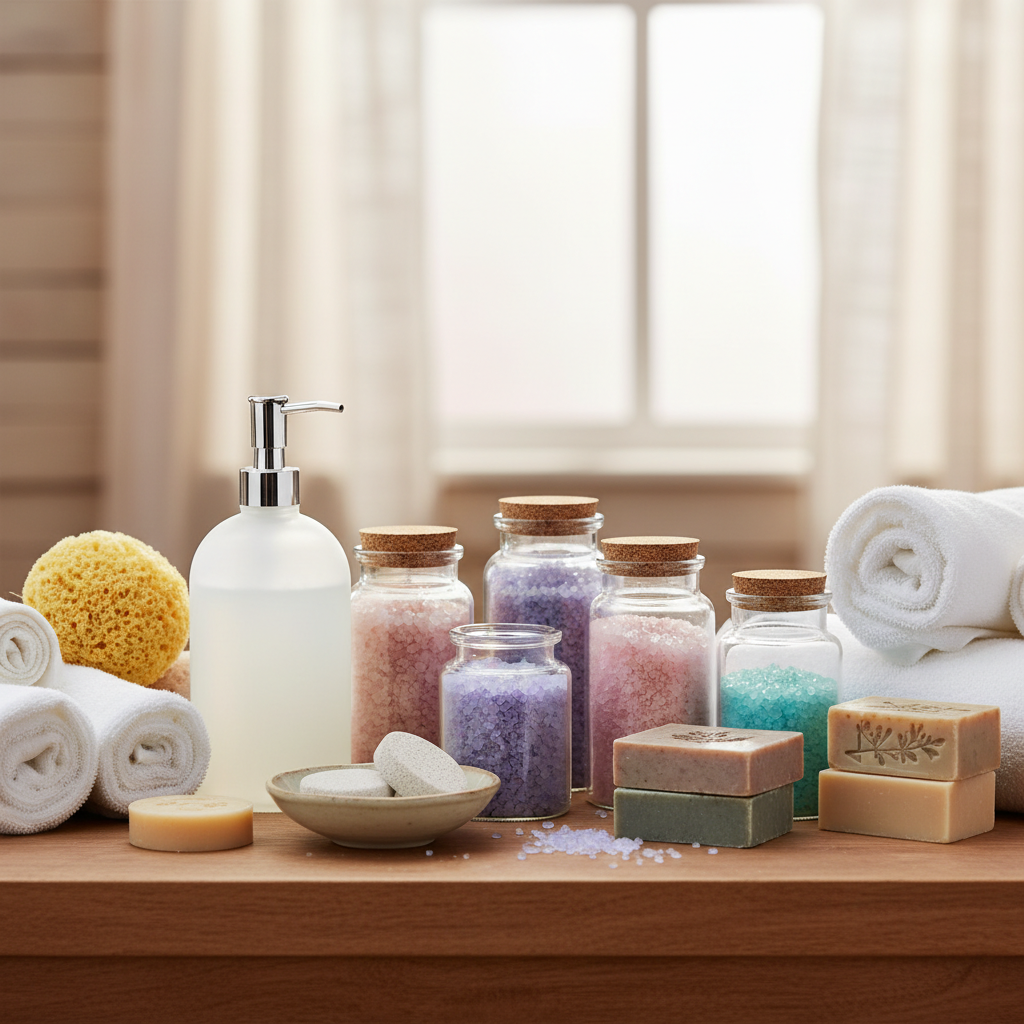
Bath products wholesale represents a critical link in the supply chain, connecting manufacturers with businesses that sell directly to consumers. It encompasses a diverse range of items, including bath bombs, soaps, lotions, bubble baths, and essential oils. Successful bath products wholesale operations require a deep understanding of market trends, consumer preferences, and logistical efficiencies.
The industry benefits from a continuous cycle of innovation and product development, driven by a consumer base increasingly seeking natural, organic, and customized bathing experiences. This demand fuels growth in specialized wholesale niches, such as vegan, cruelty-free, and aromatherapy-focused products.
Defining bath products wholesale
At its core, bath products wholesale involves the sale of bath and body care items in bulk quantities to retailers, spas, hotels, and other businesses. Unlike retail sales, which target individual consumers, wholesale transactions are characterized by larger order volumes and lower per-unit prices. This model allows retailers to acquire inventory at competitive rates, maximizing their profit margins.
A key distinction lies in the relationship dynamic. Wholesale businesses typically build long-term partnerships with retailers, offering consistent product availability, flexible ordering options, and dedicated support. This collaborative approach fosters mutual growth and stability in the marketplace.
Effective wholesale isn't just about volume; it’s also about providing value-added services like private labeling, customized formulations, and marketing support, helping retailers differentiate themselves in a crowded market.
Key Components of Effective Wholesale
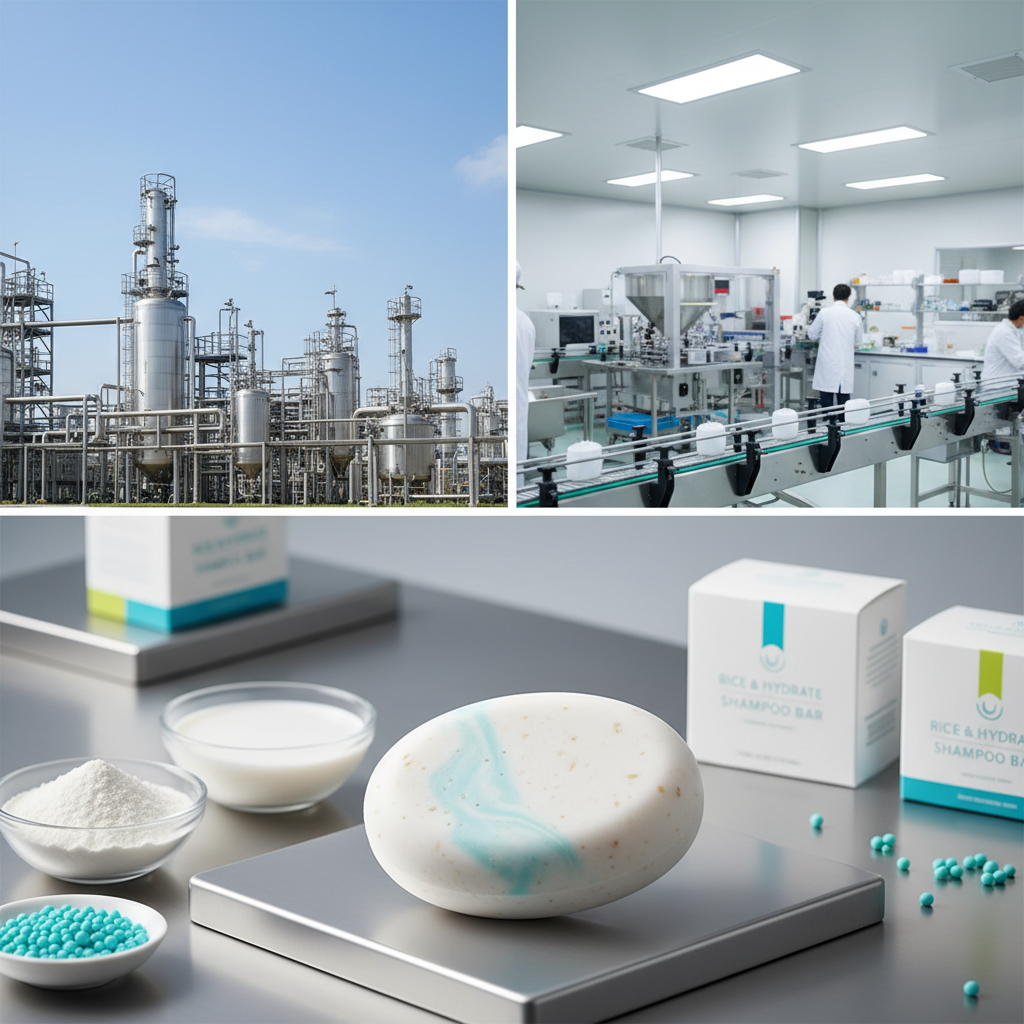
Several core components underpin successful bath products wholesale operations. Product Quality is paramount; consistently delivering high-quality, safe, and effective products builds trust and customer loyalty. Rigorous quality control measures are essential.
Competitive Pricing is vital in attracting retailers. Wholesale prices must be attractive enough to allow retailers to generate healthy profit margins while remaining competitive in the consumer market. Efficient sourcing and streamlined operations are key to achieving this.
Reliable Logistics & Fulfillment are essential. Timely and accurate order fulfillment, efficient shipping, and effective inventory management are critical for maintaining customer satisfaction and avoiding disruptions. A robust logistics network is a major advantage.
Global Applications and Market Reach
The demand for bath products wholesale extends far beyond domestic markets, with significant opportunities in international regions. North America and Europe represent established markets with high consumer spending on personal care items. However, emerging economies in Asia-Pacific, Latin America, and the Middle East are experiencing rapid growth in demand.
Within these regions, bath products wholesale caters to a diverse range of industries, including hospitality (hotels and resorts), wellness centers (spas and massage therapists), retail chains (drugstores and supermarkets), and online marketplaces.
Specific applications include supplying bulk amenities to hotels, providing private label formulations for boutique spas, and offering wholesale inventory to online retailers specializing in natural and organic products. Understanding the unique needs and regulatory requirements of each region is crucial for success.
Wholesale Distribution Methods & Effectiveness
Advantages and Long-Term Value
Investing in a robust bath products wholesale strategy offers numerous advantages. Cost savings through bulk purchasing and efficient supply chains translate into higher profit margins for retailers. Sustainability initiatives, such as eco-friendly packaging and ethically sourced ingredients, enhance brand reputation and appeal to conscious consumers.
Long-term value is derived from building strong, reliable relationships with suppliers and retailers. These partnerships foster innovation, promote product development, and ensure consistent product availability. A commitment to quality and customer satisfaction creates a loyal customer base and strengthens brand equity.
Future Trends in bath products wholesale
The future of bath products wholesale is poised for significant transformation, driven by evolving consumer preferences and technological advancements. Personalization and customization will become increasingly important, with retailers demanding bespoke formulations and private labeling options.
Digitalization will continue to reshape the industry, with e-commerce platforms, data analytics, and automated inventory management becoming essential tools. Sustainability will remain a key focus, with a growing emphasis on eco-friendly packaging, natural ingredients, and ethical sourcing practices.
Expect to see increased adoption of technologies like AI for demand forecasting and supply chain optimization, as well as blockchain for enhanced traceability and transparency.
Challenges and Solutions in Wholesale
Despite its growth potential, bath products wholesale faces several challenges. Maintaining consistent product quality across large-scale production can be difficult. Navigating complex international regulations and trade barriers requires expertise and careful planning.
Competition from larger players and the emergence of direct-to-consumer brands present ongoing pressures. Effective solutions include investing in robust quality control systems, building strong relationships with regulatory bodies, and differentiating through innovative product offerings and superior customer service.
Embracing technology to streamline operations, optimize supply chains, and enhance customer engagement is crucial for overcoming these challenges and maintaining a competitive edge.
Analysis of Key Wholesale Challenges and Mitigation Strategies
| Challenge |
Impact Level (1-10) |
Mitigation Strategy |
Implementation Cost (1-10) |
| Supply Chain Disruptions |
8 |
Diversify sourcing, build buffer inventory |
6 |
| Maintaining Product Quality |
9 |
Implement rigorous QC protocols, supplier audits |
7 |
| Increasing Competition |
7 |
Focus on niche markets, differentiate through innovation |
5 |
| Regulatory Compliance |
6 |
Invest in regulatory expertise, maintain documentation |
8 |
| Logistics & Shipping Costs |
7 |
Optimize shipping routes, negotiate rates with carriers |
4 |
| Inventory Management |
8 |
Implement automated inventory systems, forecast demand |
6 |
FAQS
Sourcing bath products wholesale allows retailers to significantly reduce their per-unit costs, increasing profit margins. It provides access to a wider product range and ensures consistent inventory availability. Establishing relationships with reputable wholesalers can also offer marketing support, private labeling options, and a streamlined supply chain, freeing up resources for other business functions. Efficient wholesale sourcing is crucial for maintaining competitiveness in the bath and body care market.
Choosing a reliable supplier requires due diligence. Prioritize suppliers with a proven track record of quality, consistency, and on-time delivery. Check for certifications and adherence to safety standards. Request samples to assess product quality firsthand. Evaluate their communication, responsiveness, and willingness to accommodate your specific needs. Reading online reviews and seeking recommendations from other retailers can also provide valuable insights.
MOQs vary significantly depending on the supplier and the product. Some wholesalers may have relatively low MOQs, while others may require larger orders. It’s crucial to inquire about MOQs upfront to ensure they align with your business needs and inventory capacity. Negotiating MOQs, especially for initial orders, is often possible. Consider consolidating orders across different products to meet minimum thresholds more efficiently.
Key certifications to look for include Good Manufacturing Practices (GMP) certification, which ensures product quality and safety. Organic certifications (e.g., USDA Organic, COSMOS Organic) are important if you’re seeking natural or organic products. Cruelty-free certifications (e.g., Leaping Bunny) demonstrate a commitment to ethical practices. ISO certifications indicate adherence to international quality management standards. These certifications provide assurance of product integrity and responsible sourcing.
Compliance with regulations is crucial. Verify that the supplier provides Safety Data Sheets (SDS) for all products, outlining potential hazards and safe handling instructions. Ensure the products meet labeling requirements specific to your target market. Stay informed about relevant regulations from organizations like the FDA (in the US) or similar bodies in other countries. Working with a supplier who understands and proactively addresses regulatory compliance is essential.
Shipping and delivery are critical aspects of wholesale. Clarify shipping costs, delivery timelines, and packaging options upfront. Ensure the supplier uses reliable shipping carriers and provides tracking information. Consider insurance to protect against damage or loss during transit. Discuss options for consolidating shipments to reduce costs and minimize environmental impact. Establish clear procedures for handling damaged or incorrect orders.
Conclusion
In conclusion, bath products wholesale represents a dynamic and expanding market driven by consumer demand for wellness, self-care, and quality ingredients. Success in this sector hinges on a commitment to product quality, competitive pricing, reliable logistics, and strong supplier-retailer partnerships. Understanding the key components and emerging trends is essential for sustained growth.
Looking ahead, businesses that embrace innovation, prioritize sustainability, and leverage digital technologies will be best positioned to thrive. By focusing on customer needs, adapting to changing market dynamics, and building robust supply chains, participants in the bath products wholesale industry can unlock significant opportunities and contribute to a more vibrant and fulfilling consumer experience. Visit our website: www.enyubodycare.com