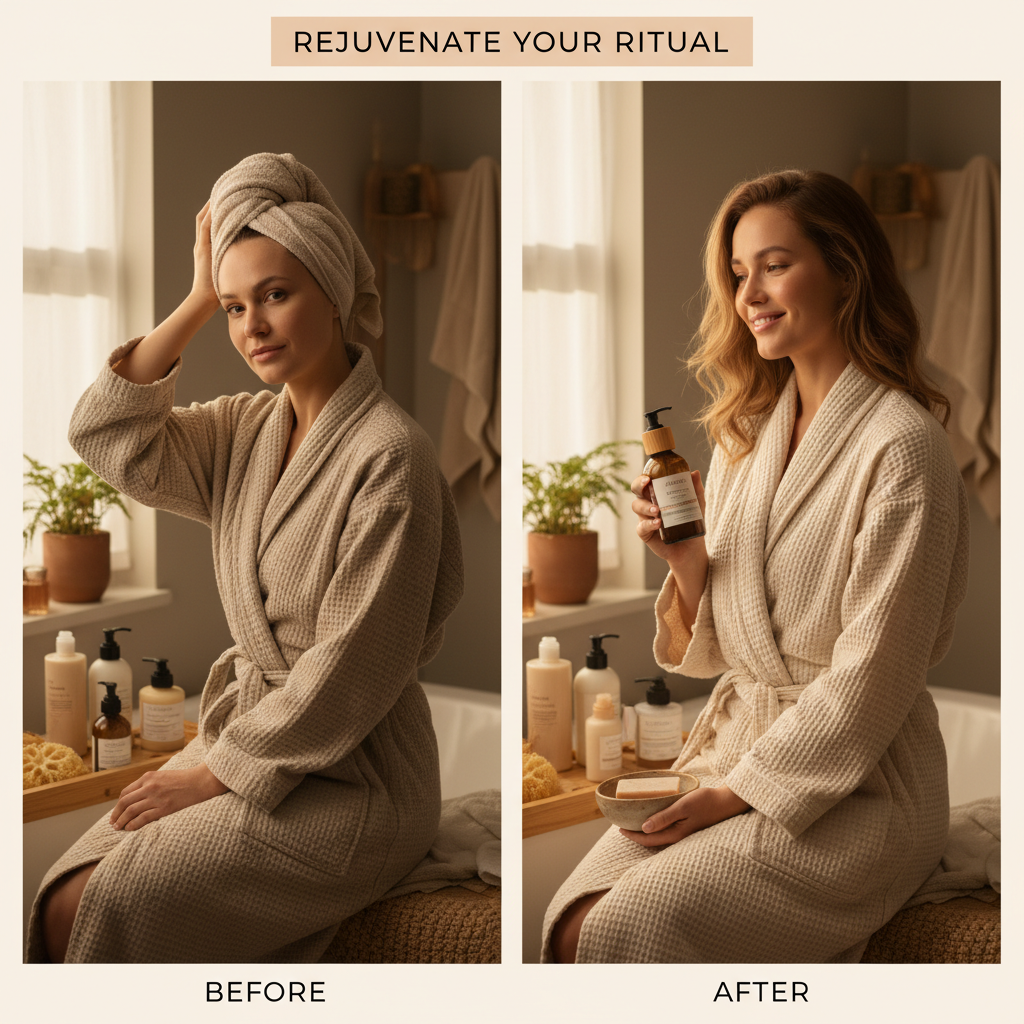
Female bath products represent a significant and growing sector within the broader personal care industry. Globally, there's an increasing emphasis on self-care and wellness, driving demand for specialized bath products designed to cater to the unique needs and preferences of women. This trend is fueled by factors like rising disposable incomes, increased awareness of hygiene, and a greater appreciation for the therapeutic benefits of bathing.
The market for female bath products is diverse, encompassing everything from bath bombs and bubble baths to body scrubs, oils, and salts. Understanding this landscape is crucial for businesses aiming to tap into this lucrative market, and for consumers seeking effective and enjoyable bathing experiences. These products aren't simply about cleanliness; they’re about creating a ritual, a moment of self-indulgence, and promoting overall well-being.
The escalating demand for female bath products is intrinsically linked to societal shifts prioritizing holistic health and self-pampering. This is particularly evident in regions with rapidly developing economies and changing lifestyles, where consumers are increasingly willing to invest in products that enhance their quality of life.
The Global Significance of Female Bath Products
The global female bath products market is estimated to be worth billions of dollars and continues to experience substantial growth. According to reports from Statista and Grand View Research, the Asia-Pacific region dominates the market due to its large population and increasing consumer spending power. North America and Europe also represent significant markets, with a focus on premium and natural ingredients.
The demand for these products is driven by a confluence of factors, including changing lifestyles, increasing disposable income, and a heightened awareness of personal well-being. This isn’t just a cosmetic trend; it’s a reflection of a global shift towards self-care and the recognition of the importance of mental and physical health. This presents a huge opportunity for companies offering innovative and high-quality female bath products.
Defining Female Bath Products
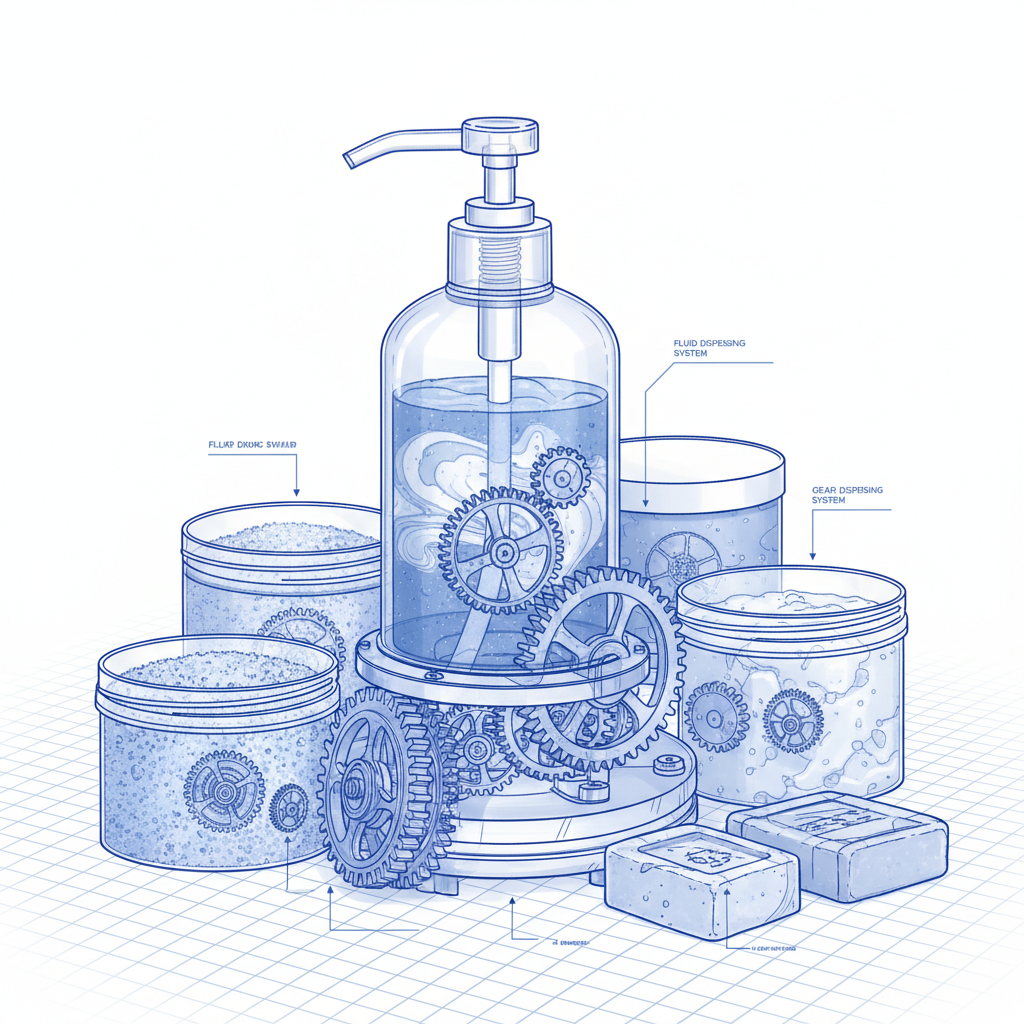
Female bath products encompass a broad range of items specifically designed to enhance the bathing experience for women. These include, but aren’t limited to, bubble baths, bath bombs, bath salts, body washes, body scrubs, bath oils, and moisturizing lotions. The formulations often include ingredients chosen for their aromatic, therapeutic, and skin-benefiting properties.
These products differ from general hygiene items by focusing on sensory experience and self-care. They're often marketed as a means to relax, de-stress, and rejuvenate, rather than solely for cleansing. The increasing popularity of aromatherapy and natural ingredients plays a large role in the demand for specific types of female bath products.
This segment is intricately linked to the modern beauty and wellness industry. Its connection to humanitarian needs, while less direct, lies in promoting hygiene and well-being, which are fundamental aspects of public health, particularly in disaster relief or areas with limited access to basic sanitation.
Key Components of Effective Formulations
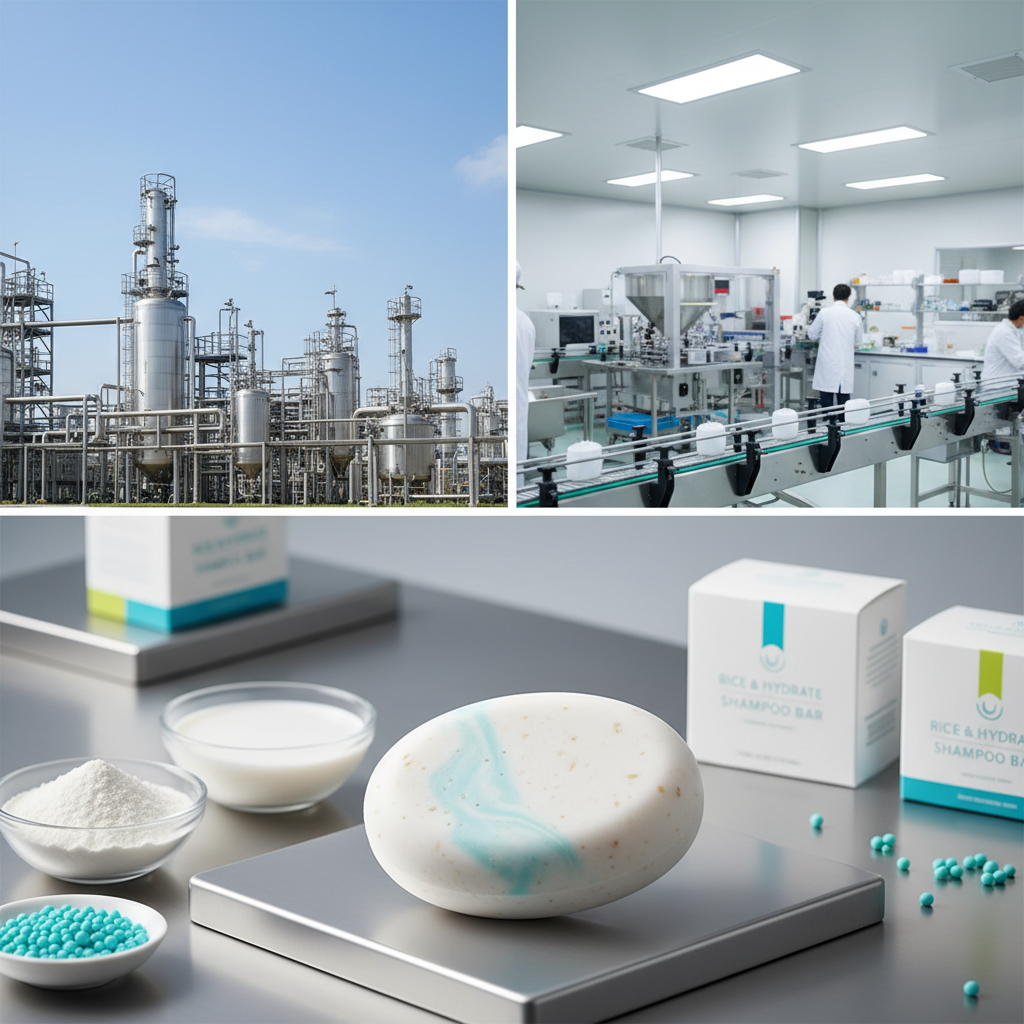
Effective female bath products rely on a careful selection of ingredients that deliver desired benefits. These components can be categorized into several key areas. First, fragrances play a vital role, offering aromatherapy benefits through essential oils like lavender, chamomile, and rose. Secondly, moisturizing agents such as shea butter, cocoa butter, and glycerin are crucial for hydrating and softening the skin.
Thirdly, exfoliating ingredients like salt, sugar, and finely ground seeds help remove dead skin cells, leaving the skin feeling smoother and brighter. Fourthly, cleansing agents, while essential, must be gentle and non-irritating to maintain skin health. Finally, natural extracts like aloe vera and chamomile possess soothing and anti-inflammatory properties.
The synergy between these components is key. A well-formulated product will balance cleansing, moisturizing, and sensory experience to create a truly indulgent and beneficial bathing experience. Considerations regarding ingredient sourcing and sustainability are also increasingly important for conscientious consumers.
Global Applications & Market Segmentation
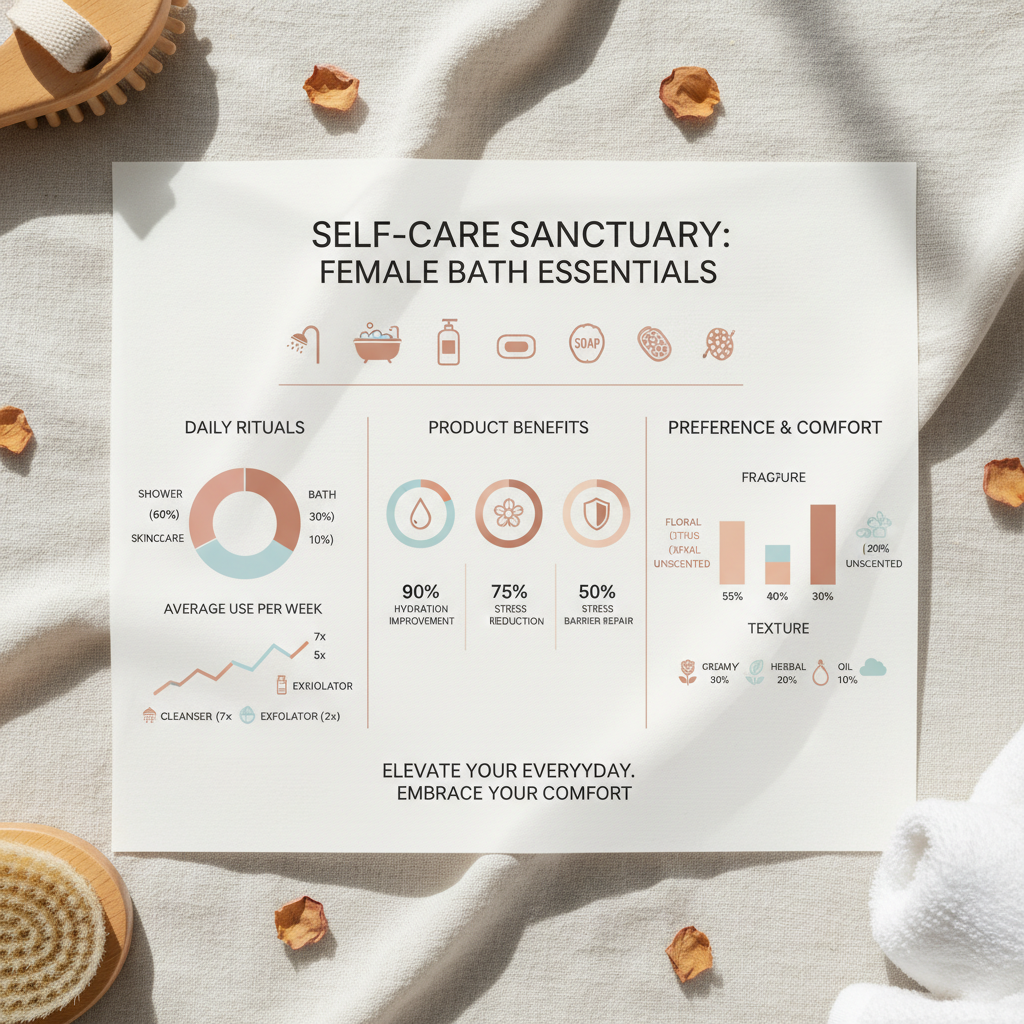
The application of female bath products is widespread, with significant regional variations. In North America and Europe, the focus is often on premium, natural, and organic formulations. These markets are characterized by a high level of consumer awareness and a willingness to pay for quality.
In Asia-Pacific, affordability and convenience are often key drivers, with a strong demand for products containing traditional herbal ingredients. South America and Africa are emerging markets with increasing demand, particularly for affordable and accessible options. Different demographic segments also have unique preferences: younger consumers may favor vibrant colors and trendy fragrances, while older consumers may prioritize gentle, hypoallergenic formulas.
Market Share by Female Bath Product Type
Advantages and Long-Term Value Proposition
The advantages of investing in high-quality female bath products extend beyond the immediate sensory experience. The use of natural and nourishing ingredients can lead to improved skin health, reduced stress levels, and enhanced overall well-being. Consumers are increasingly prioritizing these long-term benefits, creating a demand for products that offer more than just superficial results.
From a business perspective, the female bath products sector offers considerable growth potential. The market is relatively resilient, even during economic downturns, as self-care tends to remain a priority for many consumers. Furthermore, the trend towards sustainability and ethical sourcing presents opportunities for brands that are committed to responsible practices.
Future Trends and Innovations
The future of female bath products is poised for significant innovation. We can expect to see an increasing focus on personalized formulations, driven by advances in skincare technology and data analytics. Consumers will likely demand products tailored to their specific skin type, concerns, and preferences.
Sustainability will also continue to be a major trend, with a growing emphasis on eco-friendly packaging, biodegradable ingredients, and reduced carbon footprints. Digital integration, such as augmented reality experiences and subscription services, will further enhance the consumer experience.
Challenges & Sustainable Solutions
One of the key challenges facing the female bath products industry is the prevalence of harmful chemicals and unsustainable ingredients in some formulations. Concerns about parabens, sulfates, and artificial fragrances are driving demand for cleaner, more natural alternatives.
Another challenge is the environmental impact of packaging waste. Plastic packaging remains a significant issue, and finding sustainable alternatives is crucial. Solutions include utilizing biodegradable materials, promoting refillable containers, and investing in innovative packaging technologies.
Addressing these challenges requires a collective effort from manufacturers, retailers, and consumers. Transparency, ethical sourcing, and a commitment to sustainability are essential for ensuring the long-term viability of the female bath products industry.
Summary of Key Challenges and Sustainable Solutions in the Female Bath Products Industry
| Challenge Area |
Impact Severity (1-10) |
Proposed Solution |
Implementation Cost (USD) |
| Harmful Chemical Ingredients |
8 |
Transition to natural and organic formulations |
$50,000 - $200,000 |
| Plastic Packaging Waste |
9 |
Implement biodegradable or refillable packaging |
$30,000 - $150,000 |
| Supply Chain Transparency |
7 |
Traceable sourcing of ingredients |
$20,000 - $80,000 |
| Water Usage in Production |
6 |
Implement water-efficient manufacturing processes |
$10,000 - $50,000 |
| Ethical Labor Practices |
7 |
Ensure fair wages and safe working conditions |
Ongoing compliance costs |
| Greenwashing Concerns |
8 |
Third-party certifications and transparent labeling |
$5,000 - $20,000 annually |
FAQS
Bath bombs are solid mixtures that fizz and release oils, fragrances, and colors when dissolved in water, offering a more visually stimulating and aromatic experience. Bubble baths, on the other hand, create a layer of bubbles on the water's surface, providing a lighter, fluffier texture. The choice often depends on personal preference—bath bombs for sensory indulgence and bubble baths for a classic, playful experience.
Yes, bath oils can make the tub slippery, so exercise caution when entering and exiting the bath. Avoid using excessive amounts, as this can increase the risk of slipping. If you have sensitive skin or allergies, perform a patch test before using a new bath oil. Also, avoid using bath oils if you have open wounds or skin infections. Rinse the tub thoroughly after use to prevent residue buildup.
When choosing bath products for sensitive skin, opt for formulas labeled “hypoallergenic,” “fragrance-free,” or “for sensitive skin.” Look for ingredients like aloe vera, chamomile, and colloidal oatmeal, known for their soothing properties. Avoid products containing harsh sulfates, parabens, artificial fragrances, and dyes. Always perform a patch test before using a new product to check for any adverse reactions.
The shelf life of female bath products varies depending on the ingredients and packaging. Generally, bath bombs and bubble baths can last for 6-12 months, while bath oils and salts may have a longer shelf life (up to 2 years). Proper storage—in a cool, dry place away from direct sunlight—is crucial for maintaining product quality and effectiveness. Always check the product packaging for specific expiration dates.
Absolutely! Look for bubble baths formulated with plant-derived surfactants and biodegradable ingredients. Many brands now offer concentrated formulas that require less packaging and reduce water usage. Consider using bubble bath bars, which eliminate plastic packaging altogether. Supporting brands committed to sustainable sourcing and ethical manufacturing practices is also a great way to make an eco-conscious choice.
Essential oils offer a range of therapeutic benefits through aromatherapy. Lavender promotes relaxation and sleep, eucalyptus can help relieve congestion, and chamomile soothes anxiety. The scent molecules interact with the limbic system in the brain, influencing emotions and physiological responses. When selecting products, ensure the essential oils are high-quality and diluted properly to avoid skin irritation.
Conclusion
In conclusion, the female bath products market is a dynamic and evolving sector driven by a growing consumer focus on self-care, wellness, and sustainability. Understanding the key components of effective formulations, the diverse range of applications, and the emerging trends is crucial for both manufacturers and consumers. Investing in high-quality, ethically sourced, and environmentally friendly products offers long-term benefits for individuals and the planet.
Looking ahead, innovation will continue to shape the future of this industry. Personalized formulations, sustainable packaging, and digital integration will be key drivers of growth. By embracing these trends and prioritizing consumer well-being, the female bath products market can continue to thrive and provide enriching experiences for years to come. Explore our range of premium female bath products today and elevate your self-care routine!