The world of personal hygiene is vast and continuously evolving, and at its heart lies the selection of the right types of shower products. From simple bar soaps to complex shower systems, these products are essential for maintaining cleanliness, health, and overall well-being. Understanding the diversity within this category is crucial for consumers seeking tailored solutions, and for industries aiming to innovate and cater to specific needs.
Globally, the demand for shower products is driven by increasing hygiene awareness, population growth, and rising disposable incomes. According to the World Health Organization, access to sanitation and hygiene is a fundamental human right, and showering plays a critical role in achieving this. The shower product market, estimated to be worth billions of dollars annually, is influenced by factors such as regional preferences, cultural practices, and environmental concerns. This makes understanding the types of shower products available and their specific benefits paramount.
The challenge lies in navigating the sheer number of options – body washes, shower gels, scrubs, oils, and specialized formulations – and understanding their ingredients, benefits, and potential impact on health and the environment. This exploration will dive into the intricacies of these products, offering clarity and insight into the best choices for individual needs and sustainable practices.
Defining the Spectrum of Types of Shower Products
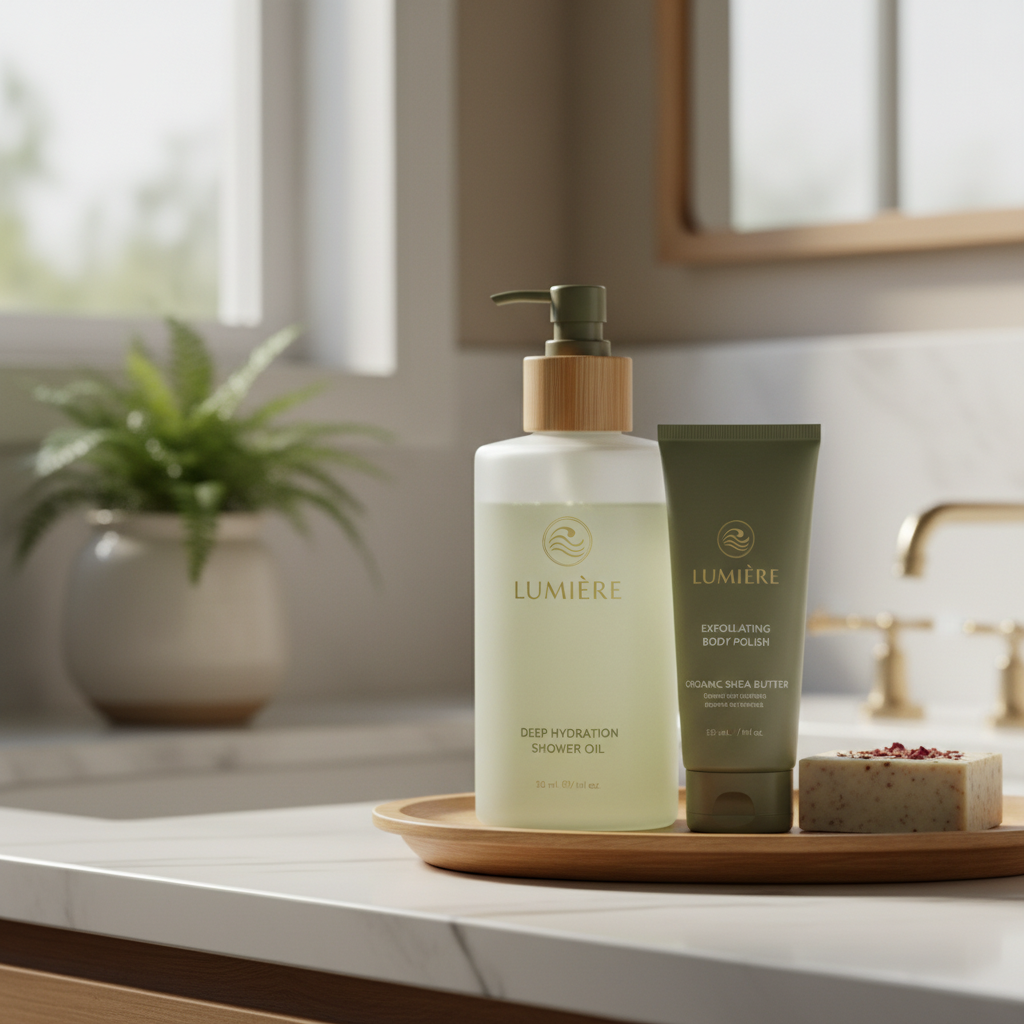
Understanding types of shower products requires recognizing that the category extends far beyond traditional bar soap. Modern offerings encompass a wide array of formulations, including liquid body washes, shower gels, exfoliating scrubs, moisturizing oils, and even specialized products like shower steamers and aromatherapy blends. Each type caters to different skin needs, preferences, and desired shower experiences.
These products aren’t simply about cleansing; they’re about delivering specific benefits, such as hydration, exfoliation, aromatherapy, or targeted treatment for skin conditions. The core difference lies in the ingredients and their delivery methods, shaping the texture, scent, and overall effect on the skin.
Key Characteristics of Shower Product Categories
The primary categorization of types of shower products revolves around their base formulation and intended function. Body washes and shower gels are typically water-based, offering a cleansing action while varying in their foaming properties and moisturizing capabilities. Scrubs incorporate exfoliating agents, like sugar or salt, to remove dead skin cells, promoting smoother skin texture. Oils, on the other hand, provide intense hydration and are often preferred by individuals with dry or sensitive skin.
Furthermore, products can be classified by their target demographic (e.g., men's, women's, baby's) or specific skin concerns (e.g., acne-prone, sensitive, aging). Natural and organic formulations are gaining popularity, focusing on plant-based ingredients and avoiding harsh chemicals. Scent profiles also play a significant role, with options ranging from floral and fruity to earthy and masculine.
A more granular level of categorization considers specific ingredient inclusions, such as antibacterial agents, vitamins, or essential oils, which offer additional benefits beyond basic cleansing. This detailed breakdown highlights the wide range of available options to address diverse needs and preferences.
The Science Behind Shower Product Formulations
The formulation of types of shower products is a complex process involving a blend of surfactants, emollients, humectants, and other functional ingredients. Surfactants, like sodium lauryl sulfate or milder alternatives, are responsible for creating foam and lifting away dirt and oil. Emollients, such as shea butter or oils, soften and smooth the skin, while humectants, like glycerin, attract and retain moisture.
The pH level of a shower product is crucial for maintaining skin health. A slightly acidic pH (around 5.5) closely mimics the skin's natural pH, helping to protect the skin barrier. Preservatives are also essential to prevent microbial growth and extend the product’s shelf life. Understanding these components enables informed choices based on ingredient sensitivity and desired skincare effects.
Advanced formulations may incorporate active ingredients like salicylic acid for acne treatment, retinol for anti-aging benefits, or colloidal oatmeal for soothing irritated skin. The science of formulation constantly evolves, with researchers seeking safer, more effective, and more sustainable ingredients.
Consumer Preferences & Market Trends in Types of Shower Products
Current consumer trends reveal a strong preference for natural and organic types of shower products, driven by concerns about potentially harmful chemicals and environmental impact. Sustainability is a key factor, with consumers seeking products with eco-friendly packaging and ethically sourced ingredients.
There’s also a growing demand for personalized skincare, leading to the development of shower products tailored to specific skin types and concerns. Multifunctional products, such as body washes with built-in exfoliants or moisturizers, are gaining popularity due to their convenience and cost-effectiveness.
Consumer Rating of Different Types of Shower Products
Global Usage and Accessibility of Different Shower Product Types
The prevalence of different types of shower products varies significantly across regions and cultures. In North America and Europe, liquid body washes and shower gels are dominant, while bar soaps remain popular in many parts of Asia and Africa. Access to diverse product options is often linked to economic development and disposable income.
However, globalization and increasing international trade are leading to greater availability of a wider range of products in most markets. E-commerce platforms are also playing a key role in expanding access, particularly in remote areas or for niche products.
Advantages of Diverse Shower Product Options
The abundance of types of shower products empowers consumers to choose solutions tailored to their individual needs and preferences. This variety allows for targeted skincare, addressing concerns like dryness, sensitivity, or acne. It also caters to different sensory preferences, offering a range of scents and textures.
Furthermore, the availability of sustainable and ethically sourced products aligns with growing consumer values. Increased competition within the market drives innovation, leading to improved formulations and more effective solutions for maintaining hygiene and overall well-being.
Ultimately, diverse options foster a more inclusive and personalized approach to personal care, ensuring that everyone can find products that suit their unique requirements.
Future Innovations & Sustainable Practices in Shower Product Development
The future of types of shower products will be shaped by a continued focus on sustainability and innovation. Waterless shower technologies, like dry shampoos and cleansing foams, are gaining traction as a way to conserve water. Biodegradable and compostable packaging materials are becoming increasingly common.
Biotechnology and microbiome research are also poised to play a significant role, leading to formulations that support the skin's natural ecosystem. Personalized shower experiences, powered by smart technology and data analytics, could become a reality, offering customized product recommendations and routines.
The development of more effective and environmentally friendly surfactants remains a key area of research, as does the exploration of alternative preservatives and ingredients.
Summary of Future Trends in Types of Shower Products
| Innovation Area |
Description |
Impact on Consumer |
Sustainability Score (1-10) |
| Waterless Technologies |
Dry shampoos, cleansing foams, and mist-based cleansers. |
Water conservation, convenience, reduced environmental footprint. |
9 |
| Biodegradable Packaging |
Use of plant-based plastics, compostable materials, and refillable systems. |
Reduced plastic waste, minimized environmental impact. |
8 |
| Microbiome-Friendly Formulations |
Products that support the skin’s natural microbial balance. |
Improved skin health, reduced sensitivity, enhanced barrier function. |
7 |
| Personalized Shower Systems |
Smart showers that analyze skin data and recommend customized product routines. |
Tailored skincare, optimized results, enhanced user experience. |
6 |
| Sustainable Surfactants |
Development of plant-derived and biodegradable cleansing agents. |
Reduced toxicity, minimized environmental impact, gentle cleansing. |
8 |
| Ethical Sourcing & Transparency |
Traceable supply chains and clear ingredient labeling. |
Increased consumer trust, support for fair labor practices. |
7 |
FAQS
While often used interchangeably, body wash generally contains more moisturizing ingredients and is thicker in consistency compared to shower gel. Shower gel tends to be more focused on cleansing, creating a richer lather. Both are effective for washing the body, but cater to different skin needs – body wash for drier skin and shower gel for normal to oily skin.
Sulfates, like Sodium Lauryl Sulfate (SLS), are strong cleansing agents that can sometimes irritate sensitive skin. Sulfate-free formulas use milder surfactants, reducing the risk of dryness, redness, and itching. If you have sensitive skin or conditions like eczema, opting for a sulfate-free shower product is often recommended.
Exfoliating 1-2 times per week is generally sufficient for most skin types. Over-exfoliating can strip the skin of its natural oils, leading to irritation and sensitivity. Choose a gentle scrub with fine granules and avoid applying excessive pressure during application. Listen to your skin and adjust frequency accordingly.
Shower oils provide intense hydration and nourishment to the skin, especially beneficial for dry or mature skin. They create a protective barrier, locking in moisture and leaving the skin feeling soft and supple. Shower oils can also help to repair the skin barrier and improve skin elasticity.
Look for products with biodegradable formulas, sustainable packaging (like recycled plastic or refillable options), and ethically sourced ingredients. Brands that prioritize cruelty-free practices and reduce their carbon footprint are also good choices. Checking for certifications like Leaping Bunny or Fair Trade can help guide your decision.
Aromatherapy shower steamers release essential oils into the steam, providing potential benefits like stress relief, improved mood, and enhanced respiratory function. Different essential oils have different properties – eucalyptus can help clear congestion, lavender promotes relaxation, and citrus scents can invigorate. Always use caution and ensure adequate ventilation.
Conclusion
In conclusion, the world of types of shower products is incredibly diverse, offering solutions for every skin type, preference, and need. From understanding the science behind formulations to recognizing the importance of sustainability, making informed choices empowers us to prioritize both personal well-being and environmental responsibility. The evolution of this market continues to present exciting innovations, promising even more personalized and effective cleansing experiences.
As consumer awareness grows and technology advances, we can expect to see continued emphasis on natural ingredients, eco-friendly practices, and customized solutions. By staying informed about the latest trends and prioritizing quality and sustainability, we can all contribute to a healthier and more conscious approach to personal care. Visit our website at www.enyubodycare.com to explore our wide range of shower products and discover the perfect fit for your needs.