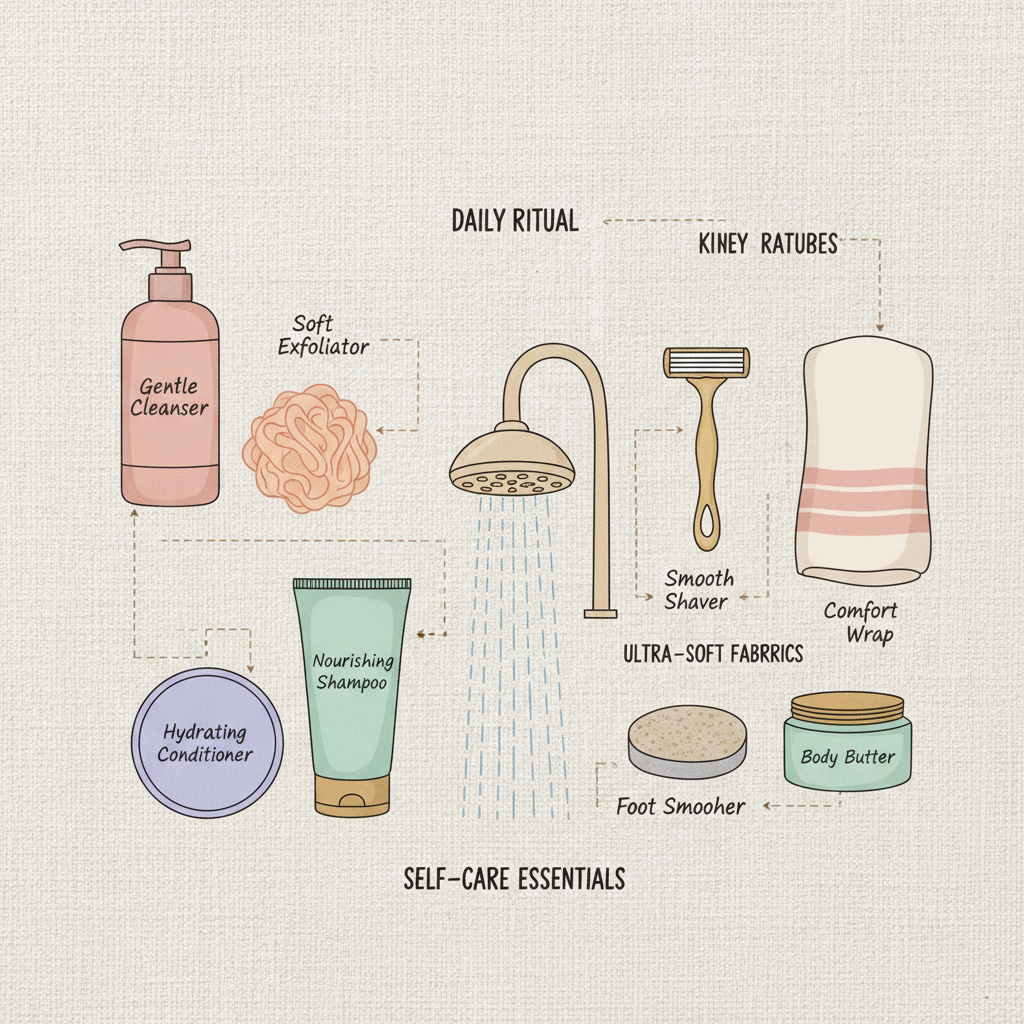
The global demand for personal care products is constantly expanding, and bulk purchasing represents a significant trend within this market. This is particularly true for businesses looking to reduce costs, streamline their supply chain, and ensure consistent access to essential bath products. Understanding the nuances of sourcing bath products bulk is critical for retailers, hotels, spas, and even disaster relief organizations. It's a sector influenced by everything from raw material availability to logistical challenges and evolving consumer preferences.
The importance of bath products bulk extends beyond simply obtaining lower prices. It’s about securing reliable supplies, meeting fluctuating demands, and often, contributing to sustainable practices. Businesses are increasingly focused on responsible sourcing, ethical production, and eco-friendly packaging, making informed choices about their bulk purchases paramount. The ability to efficiently procure these products can be a significant competitive advantage.
The rise of e-commerce and direct-to-consumer brands has further complicated the landscape, requiring suppliers to adapt to new channels and customer expectations. Effectively navigating this landscape requires a comprehensive understanding of the factors driving the bulk bath product market and the opportunities it presents.
The Significance of Bulk Bath Products
The importance of sourcing bath products bulk lies in its ability to deliver substantial cost savings for businesses. Buying in larger quantities reduces per-unit expenses, allowing for increased profit margins or the ability to offer competitive pricing to customers. This is a critical advantage in the highly competitive personal care industry.
Furthermore, establishing strong relationships with bulk suppliers ensures a consistent and reliable product stream. This reliability is especially important for businesses that experience fluctuating demand or need to maintain a steady inventory to avoid stockouts. Having a secure supply chain contributes to customer satisfaction and brand loyalty.
Defining Bath Products Bulk
Bath products bulk refers to the purchasing of large quantities of bath and body care items – soaps, shampoos, conditioners, lotions, bath bombs, bubble baths, and more – directly from manufacturers or wholesale distributors. This contrasts with retail purchasing, where products are bought individually or in small packages.
The term ‘bulk’ itself is relative and depends on the specific product and the buyer’s needs. It could range from several hundred units to thousands, depending on the size and scope of the business. Crucially, bulk purchasing often involves negotiating customized pricing and potentially, product specifications.
This practice is deeply connected to modern industrial efficiency and global supply chains. It reflects the demand for streamlined processes, reduced overhead costs, and the need to meet large-scale consumer demand. In humanitarian contexts, the ability to quickly procure and distribute bath products in bulk can be life-changing during emergencies.
Key Factors Influencing Bulk Purchases
Several key factors dictate the success of bath products bulk sourcing. Firstly, product quality is paramount. Businesses must ensure that bulk purchases meet stringent quality control standards to maintain brand reputation and customer trust. This involves thorough vetting of suppliers and potentially, independent testing.
Secondly, cost efficiency is crucial. While bulk purchasing aims to reduce costs, it's essential to consider not just the per-unit price, but also shipping, storage, and handling expenses. Negotiating favorable terms with suppliers and optimizing logistics are vital.
Thirdly, supply chain reliability is a significant concern. Disruptions in the supply chain, whether due to natural disasters, political instability, or economic factors, can impact the availability of products. Diversifying suppliers and building robust contingency plans are crucial. Fourth, regulatory compliance is essential. Bath products are subject to various regulations regarding ingredients, labeling, and safety standards, so ensuring compliance is non-negotiable.
Finally, sustainability considerations are growing in importance. Consumers are increasingly demanding eco-friendly products and responsible sourcing practices. Businesses should prioritize suppliers that demonstrate a commitment to sustainability throughout their operations.
Global Applications and Use Cases
The applications of bath products bulk are diverse. Hotels and resorts utilize bulk supplies to provide amenities to guests, focusing on cost-effectiveness and consistent quality. Spas and wellness centers also rely on bulk purchasing to ensure a steady supply of products for treatments and retail sales.
Healthcare facilities, such as hospitals and nursing homes, require large quantities of hygiene products, including soaps and shampoos, for patient care. These institutions often prioritize hygiene standards and cost control. In post-disaster relief operations, bath products in bulk are essential for maintaining sanitation and preventing the spread of disease, providing a vital component of humanitarian aid.
Bath Product Bulk Methods Comparison
Advantages and Long-Term Value
The most tangible advantage of bath products bulk purchasing is cost reduction. Lower per-unit prices directly impact profitability. This allows businesses to reinvest savings into other areas, such as marketing or product development.
Beyond cost, there’s significant long-term value in establishing reliable supplier relationships. A stable supply chain minimizes disruptions, ensuring consistent product availability. This fosters customer trust and loyalty, building a stronger brand reputation.
Future Trends and Innovations
Sustainability is increasingly shaping the future of bath products bulk. Demand for eco-friendly packaging, biodegradable ingredients, and responsible sourcing is rising. Suppliers are responding with innovative solutions, such as refillable containers and concentrated formulas.
Digital transformation is also playing a significant role, with online platforms streamlining the bulk purchasing process. Automated inventory management systems and data analytics are helping businesses optimize their supply chains and predict demand more accurately.
Challenges and Solutions in Bulk Sourcing
One common challenge in bath products bulk sourcing is maintaining quality control. Larger orders can increase the risk of defects or inconsistencies. Solutions include implementing rigorous quality inspection processes and working with suppliers who have strong quality assurance programs.
Another challenge is managing storage space. Bulk purchases require significant storage capacity. Businesses can address this by optimizing warehouse layout, utilizing third-party logistics providers, or implementing just-in-time inventory management systems.
Finally, navigating complex international regulations can be difficult. Partnering with experienced import/export specialists and staying informed about changing regulations are essential.
Summary of Challenges and Solutions in Bulk Bath Product Sourcing
| Challenge |
Impact |
Solution |
Implementation Difficulty (1-5) |
| Quality Control |
Brand Reputation, Customer Dissatisfaction |
Rigorous Inspection, Supplier Audits |
3 |
| Storage Capacity |
Increased Costs, Limited Flexibility |
Optimized Warehouse Layout, 3PL Providers |
4 |
| Supply Chain Disruptions |
Stockouts, Production Delays |
Diversified Suppliers, Contingency Planning |
2 |
| International Regulations |
Import/Export Delays, Legal Issues |
Expert Consultation, Regulatory Compliance Checks |
5 |
| Price Volatility |
Budgeting Challenges, Reduced Profit Margins |
Long-Term Contracts, Hedging Strategies |
3 |
| Sustainability Concerns |
Negative Brand Image, Consumer Backlash |
Eco-Friendly Suppliers, Sustainable Packaging |
4 |
FAQS
Minimum order quantities (MOQs) vary greatly depending on the supplier and the product. Generally, bulk orders start at several hundred units, but some suppliers may offer lower MOQs for certain products. It's crucial to inquire about MOQs upfront to ensure they align with your business needs and storage capacity. Negotiating with suppliers is often possible, especially for long-term partnerships.
Quality assurance is paramount. Request samples before placing a large order to assess the product's quality and consistency. Look for suppliers with recognized certifications (e.g., ISO 9001) and conduct thorough supplier audits. Independent testing of products can also provide an extra layer of assurance. Clearly defined quality specifications in your contract are essential.
Payment terms typically involve a percentage upfront (e.g., 30-50%) as a deposit, with the remaining balance due upon shipment or delivery. Letter of credit (LC) and wire transfers are common payment methods for international transactions. Negotiating favorable payment terms is possible, especially with established suppliers. Always confirm the payment terms in writing before placing an order.
Lead times vary depending on the product, supplier location, and shipping method. Domestic orders generally take 1-2 weeks, while international orders can take 4-8 weeks or longer. Factors like customs clearance and transportation delays can also impact delivery times. Accurate lead time estimates are essential for effective inventory management. Confirming delivery dates with the supplier is crucial.
Yes, increasingly suppliers offer eco-friendly packaging options, such as recycled materials, biodegradable plastics, and compostable packaging. Refillable containers are also gaining popularity. Choosing sustainable packaging demonstrates a commitment to environmental responsibility and can appeal to eco-conscious consumers. Be prepared to pay a slightly higher price for these alternatives.
Import duties and taxes vary depending on the country of origin, the product type, and the import destination. It’s essential to consult with a customs broker or import specialist to determine the applicable duties and taxes. Failure to comply with import regulations can result in delays, penalties, and even seizure of goods. Accurate documentation is crucial for smooth customs clearance.
Conclusion
In conclusion, strategically sourcing bath products bulk offers significant advantages for businesses, from cost savings and supply chain reliability to sustainability benefits. Understanding the key factors influencing bulk purchases, the various applications, and the emerging trends is essential for success in today’s competitive market. Effective planning, due diligence, and strong supplier relationships are critical components of a thriving bulk sourcing strategy.
Looking ahead, the demand for sustainable and ethically sourced bath products in bulk will continue to grow. Businesses that prioritize these values and embrace innovation will be well-positioned to capitalize on the opportunities presented by this dynamic market. Visit our website at www.enyubodycare.com to explore our extensive range of bulk bath products and discover how we can help you optimize your supply chain.