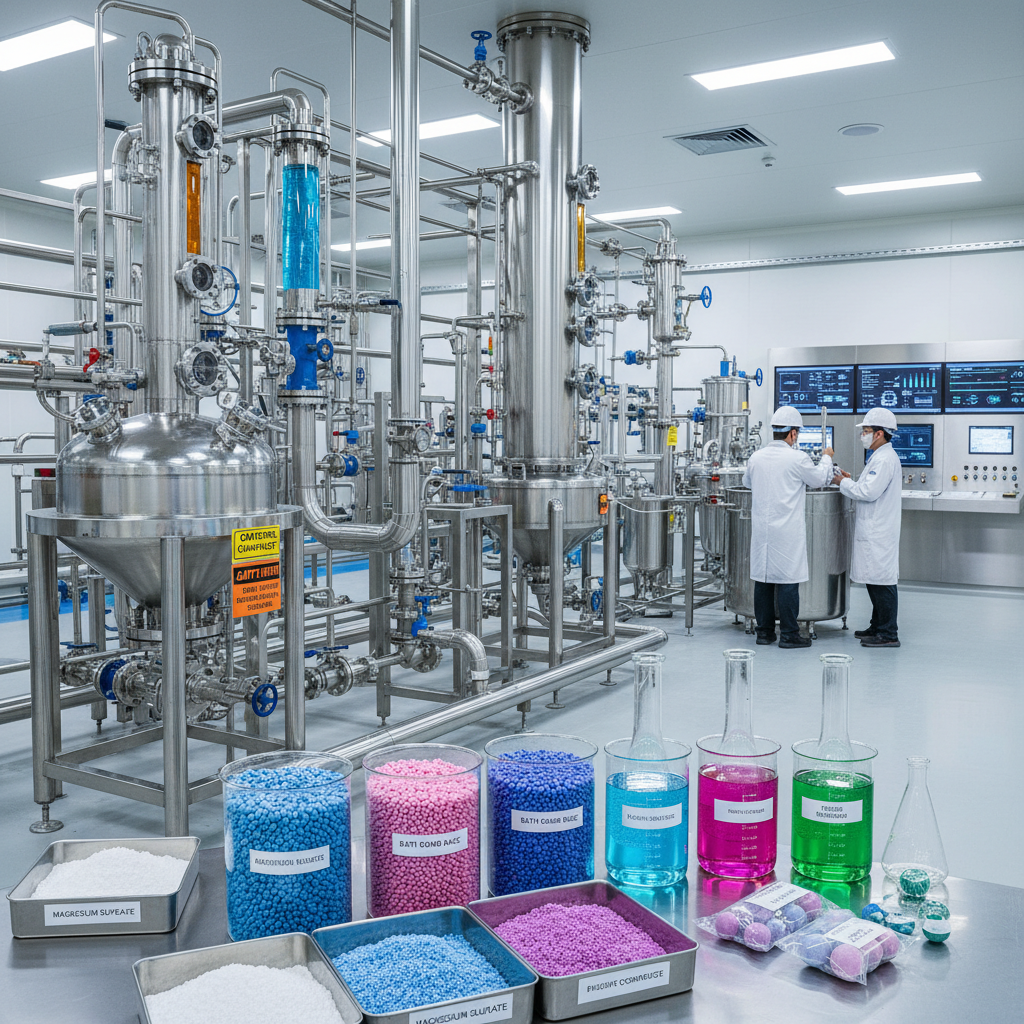
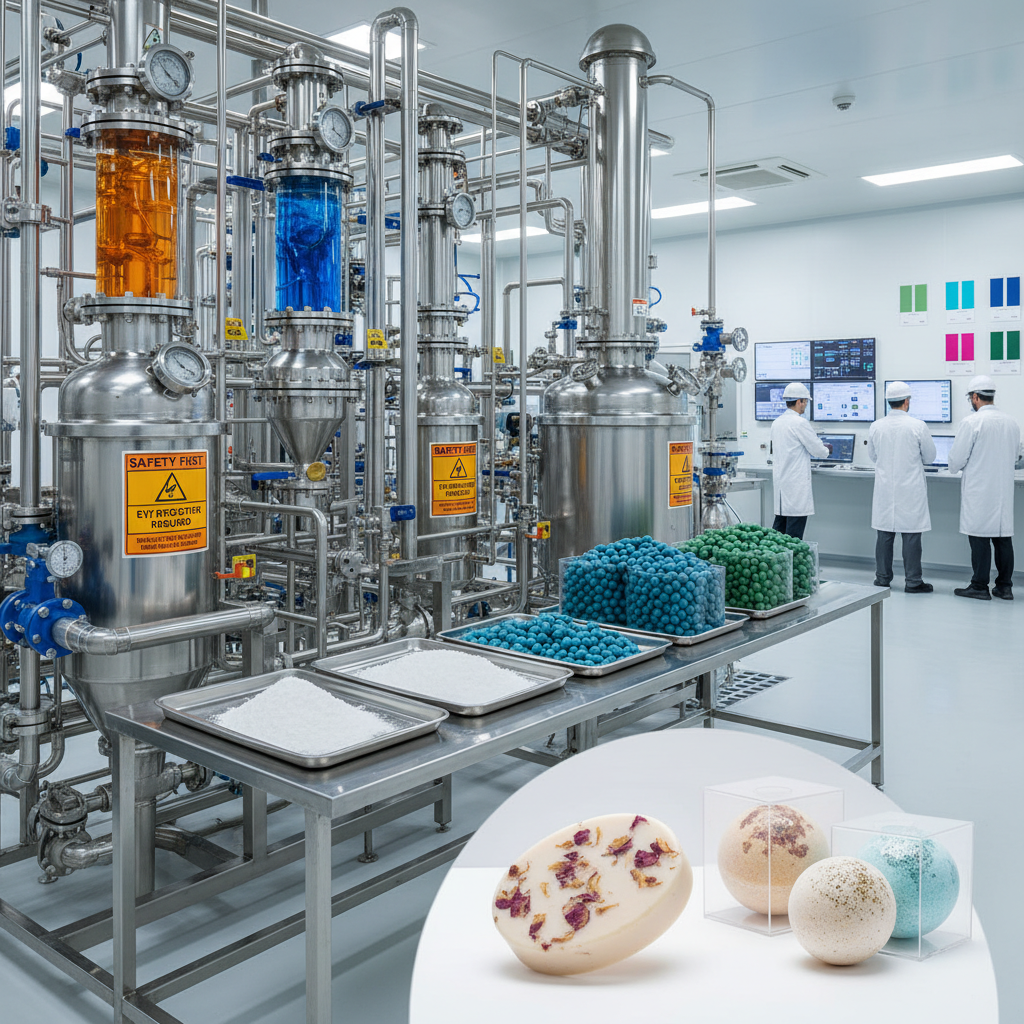
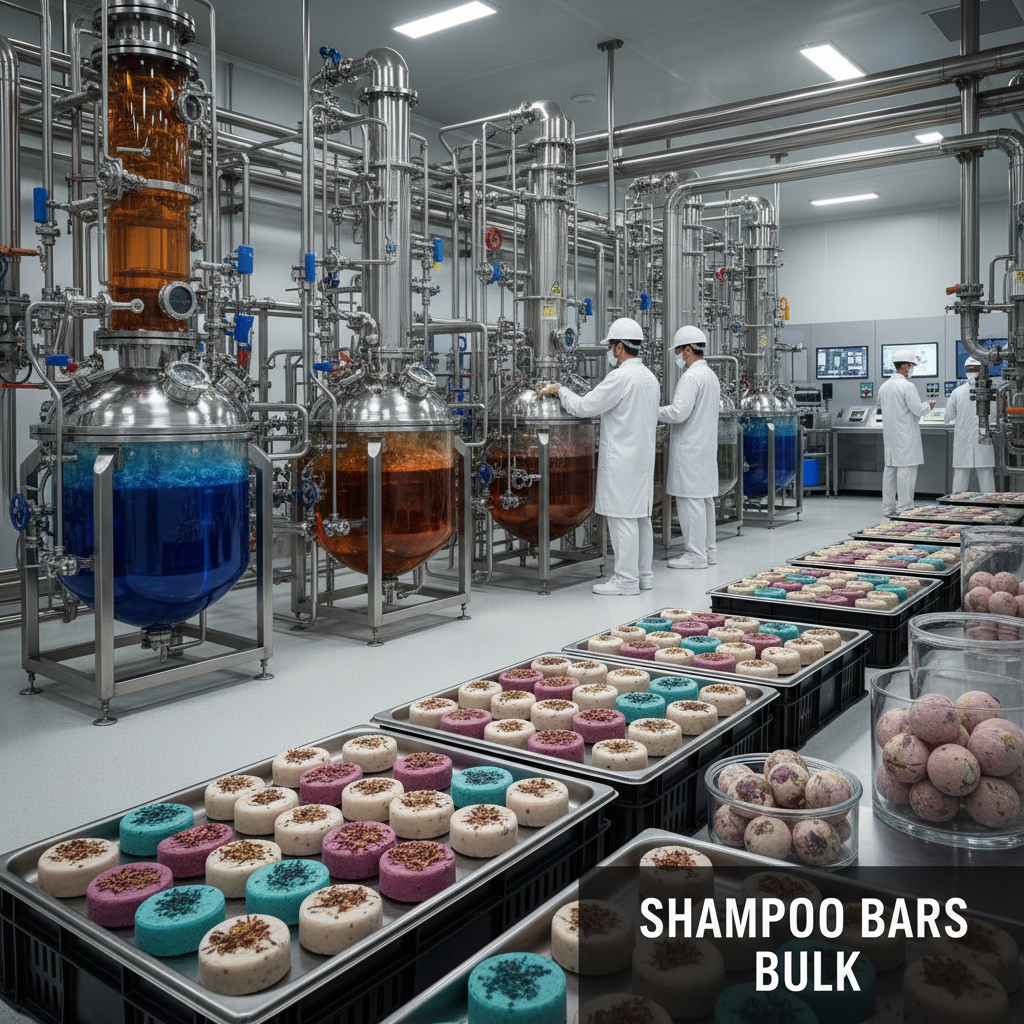
Bath supply, encompassing everything from essential cleaning agents to luxurious aromatherapy additions, is a cornerstone of personal hygiene and well-being. Globally, access to adequate bath supplies signifies a basic level of sanitation and contributes significantly to public health. The importance of maintaining cleanliness, particularly in vulnerable populations, drives demand for reliable and accessible bath supply chains.
The bath supply industry is a multi-billion dollar market, consistently growing due to increasing awareness of hygiene practices and expanding consumer preferences for self-care. This demand isn’t limited to developed nations; emerging economies are experiencing a surge in demand as disposable incomes rise and sanitation standards improve. Addressing this growing need presents both opportunities and challenges for manufacturers, distributors, and aid organizations.
Understanding the nuances of bath supply – from sourcing sustainable ingredients to ensuring efficient distribution – is crucial for businesses and humanitarian efforts alike. Investing in innovative solutions and robust supply chains contributes to improved health outcomes and enhanced quality of life worldwide. This document aims to explore the core concepts, applications, and future trends within the realm of bath supply.
The Significance of Bath Supply Globally
Globally, access to adequate bath supply isn’t merely a matter of comfort; it’s a fundamental component of public health and disease prevention. According to the WHO, proper hygiene practices, facilitated by readily available bath supply, significantly reduce the incidence of infectious diseases, particularly in developing nations. The UN Sustainable Development Goal 6 focuses on ensuring availability and sustainable management of water and sanitation for all, with bath supply playing a vital, often overlooked, role.
The global bath supply market is estimated to be worth over $70 billion and is projected to continue growing at a rate of 5-7% annually. This growth is driven by increasing population, rising disposable incomes, and a growing awareness of the importance of personal hygiene. However, significant disparities persist, with millions lacking access to even basic bath supply necessities, exacerbating health inequalities.
Defining Bath Supply
Bath supply encompasses all materials and products used for personal cleansing and hygiene within a bathing or showering context. This includes soap, shampoos, conditioners, body washes, bath bombs, essential oils, sponges, loofahs, towels, and related accessories. It extends beyond just the products themselves to include the infrastructure required for their effective use – access to clean water and suitable bathing facilities.
In modern industry, bath supply is a sophisticated sector involving complex supply chains, research and development into new formulations, and strict quality control measures. The connection to humanitarian needs is equally vital, as emergency relief organizations rely on readily available and affordable bath supply to maintain sanitation and prevent the spread of disease in disaster-stricken areas and refugee camps.
The definition also increasingly includes considerations of sustainability – eco-friendly packaging, biodegradable ingredients, and water conservation practices – reflecting a growing consumer demand for environmentally responsible products.
Core Components of Effective Bath Supply
Effective bath supply isn’t simply about having products available; it’s a holistic system encompassing several key components. Firstly, product quality is paramount, ensuring items are safe, effective, and appropriate for the intended users. Secondly, accessibility plays a crucial role – ensuring supplies reach those who need them, regardless of geographic location or socioeconomic status.
Thirdly, education is vital; promoting hygiene practices and proper product usage maximizes the benefits of bath supply. Fourthly, infrastructure – clean water sources, sanitation facilities, and waste disposal systems – is essential to support effective hygiene. Finally, sustainability considerations – environmentally friendly products and responsible sourcing – are becoming increasingly important in long-term bath supply strategies.
These components are interconnected. For example, providing high-quality soap is ineffective without access to clean water, and educating communities on hygiene practices is pointless without readily available supplies. A truly effective bath supply system addresses all these components in a coordinated manner.
Key Factors Influencing Bath Supply Effectiveness
Several key factors impact the effectiveness of bath supply initiatives. Durability of packaging and products is crucial, particularly in challenging environments where supplies may be exposed to harsh conditions. Scalability of production and distribution is essential to meet fluctuating demand, especially during emergencies.
Cost efficiency is a critical consideration, ensuring that supplies are affordable for both end-users and organizations providing aid. Cultural appropriateness is often overlooked but vitally important; products and hygiene practices must align with local customs and beliefs to be readily accepted. Logistical efficiency determines how quickly and reliably supplies can reach their intended destination, minimizing delays and waste.
Finally, regulatory compliance – adherence to safety standards and labeling requirements – is non-negotiable, ensuring consumer protection and preventing the distribution of harmful products. Addressing these factors holistically maximizes the impact of bath supply efforts.
Effectiveness Factors for Bath Supply
Global Applications of Bath Supply
Bath supply is deployed across a wide spectrum of contexts. In post-disaster relief operations, emergency kits containing soap, shampoo, and hygiene essentials are critical for preventing the outbreak of waterborne diseases and maintaining public health. In remote industrial zones, providing adequate bath supply to workers ensures their well-being and reduces the risk of illness, improving productivity.
Furthermore, bath supply plays a vital role in refugee camps, where overcrowding and limited resources create ideal conditions for disease transmission. Community health programs often distribute bath supply alongside educational materials on hygiene practices to promote preventative healthcare.
Even in developed nations, bath supply is essential for vulnerable populations, such as the homeless and those living in poverty, providing a basic level of dignity and care. Organizations like bath supply distributors routinely donate supplies to shelters and aid organizations.
Advantages and Long-Term Value of Optimized Bath Supply
The benefits of optimized bath supply extend far beyond immediate cleanliness. Tangible benefits include reduced healthcare costs due to fewer illness cases, improved worker productivity, and enhanced educational outcomes for children who are healthier and able to attend school. Sustainability gains are achieved through eco-friendly products and reduced water usage.
The emotional and logical impact is significant. Access to bath supply promotes a sense of dignity and self-respect, fostering well-being and social inclusion. Investing in reliable bath supply infrastructure builds trust within communities and demonstrates a commitment to public health and welfare. The innovation in product formulations and packaging contributes to a more efficient and sustainable industry.
Future Trends in Bath Supply
The future of bath supply is poised for significant innovation. The development of biodegradable and compostable packaging materials is gaining momentum, reducing environmental impact. Waterless bathing technologies – such as foam cleansers and dry shampoos – are emerging as solutions for water-scarce regions.
Digitalization is transforming supply chains, enabling real-time tracking of inventory, improved demand forecasting, and more efficient distribution. Automation in manufacturing processes is increasing production efficiency and reducing costs. The integration of antimicrobial agents into bath products is offering enhanced protection against harmful bacteria and viruses.
Furthermore, a growing emphasis on personalization and customization is driving demand for niche bath products tailored to specific skin types and preferences. The increasing adoption of circular economy principles – emphasizing reuse, repair, and recycling – will further promote sustainability within the industry.
Summary of Key Future Trends in Bath Supply
| Trend Category |
Key Innovation |
Impact on Bath Supply |
Adoption Rate (1-10) |
| Materials Science |
Biodegradable Packaging |
Reduced environmental footprint, improved sustainability |
7 |
| Technology |
Digital Supply Chain Tracking |
Increased efficiency, reduced waste, improved transparency |
8 |
| Product Formulation |
Waterless Bathing Solutions |
Addresses water scarcity, provides hygiene in remote areas |
6 |
| Manufacturing |
Automated Production Lines |
Increased production capacity, reduced labor costs |
9 |
| Consumer Trends |
Personalized Bath Products |
Enhanced customer satisfaction, niche market opportunities |
5 |
| Sustainability |
Circular Economy Models |
Reduced waste, resource conservation, sustainable practices |
7 |
FAQS
When choosing bath supply for emergency situations, prioritize durability, portability, and hygiene. Products should have long shelf lives, be individually packaged for easy distribution, and meet established safety standards. Consider the cultural context of the affected population and ensure the products are appropriate for their needs. Lightweight and compact options minimize transportation costs, and multi-purpose items maximize value.
Ethical sourcing requires thorough due diligence throughout the supply chain. Organizations should partner with suppliers committed to fair labor practices, environmental sustainability, and responsible ingredient sourcing. Look for certifications like Fair Trade and RSPO. Conducting regular audits and inspections can help verify compliance. Transparency is key; suppliers should be able to trace ingredients back to their origin.
Water conservation is increasingly important in sustainable bath supply. Promoting water-efficient bathing practices, such as shorter showers and the use of low-flow showerheads, can significantly reduce water consumption. Developing and utilizing waterless bathing solutions, like dry shampoos and foam cleansers, offers alternatives for water-scarce regions. Implementing water recycling systems in manufacturing facilities further minimizes environmental impact.
Packaging plays a critical role in the sustainability of bath supply. Traditional plastic packaging contributes to pollution and landfill waste. Switching to biodegradable or compostable materials, such as plant-based plastics or cardboard, reduces environmental impact. Minimizing packaging volume and weight also lowers transportation costs and carbon emissions. Encouraging consumers to recycle packaging and implementing refill programs further enhance sustainability.
The demand for natural and organic bath supply is rapidly growing. Consumers are seeking products formulated with plant-based ingredients, free from harsh chemicals and synthetic fragrances. Emerging trends include the use of botanical extracts, essential oils, and sustainable sourcing of raw materials. Transparency in ingredient labeling and certifications like USDA Organic and COSMOS are gaining importance.
Bath supply initiatives can empower communities by providing economic opportunities and promoting local ownership. Sourcing ingredients and packaging materials from local suppliers supports local economies. Training community members in production, distribution, and hygiene education creates jobs and builds capacity. Empowering women through these initiatives can have a particularly significant impact on community development.
Conclusion
Optimized bath supply is far more than simply providing cleaning products; it is a foundational element of public health, dignity, and sustainable development. We've seen that by focusing on quality, accessibility, education, infrastructure, and sustainability, we can create a truly effective bath supply system that benefits individuals and communities worldwide. The interconnectedness of these components highlights the need for a holistic approach, addressing not just the products themselves, but the entire ecosystem that supports their use.
Looking ahead, embracing innovation in materials science, digitalization, and sustainable practices will be crucial for addressing emerging challenges and maximizing the positive impact of bath supply. Investing in research and development, fostering collaboration between stakeholders, and prioritizing ethical sourcing are essential steps towards a future where access to clean and safe bath supply is a reality for all. Visit our website at enyubodycare.com to learn more about our commitment to quality bath products and sustainable practices.