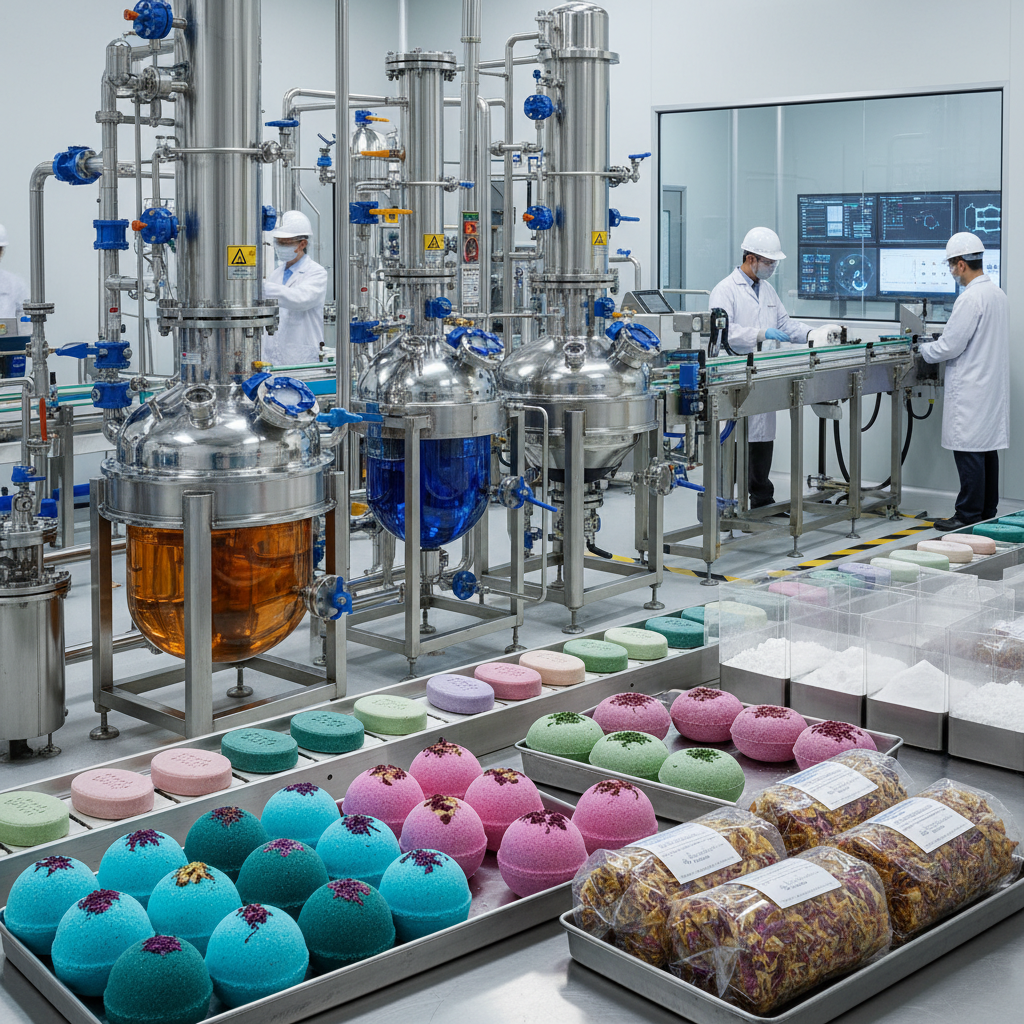
The global shift toward sustainable personal care has brought shampoo soap into the spotlight as a viable, eco-friendly alternative to traditional liquid cleansers. As consumers become increasingly aware of the environmental impact of plastic packaging and synthetic surfactants, the demand for concentrated, solid-form hair care has surged. Understanding the chemistry and application of these products is essential for both manufacturers and end-users aiming to reduce their carbon footprint without sacrificing hair health.
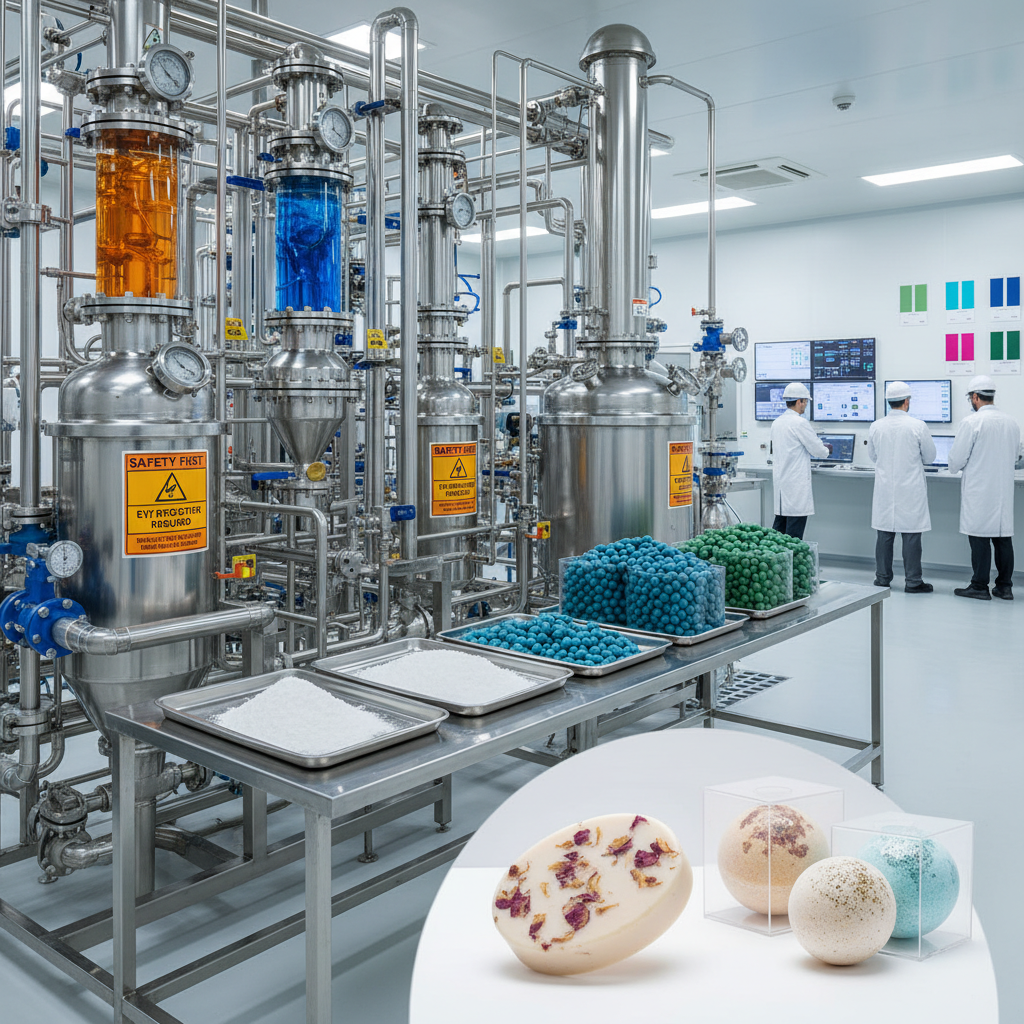
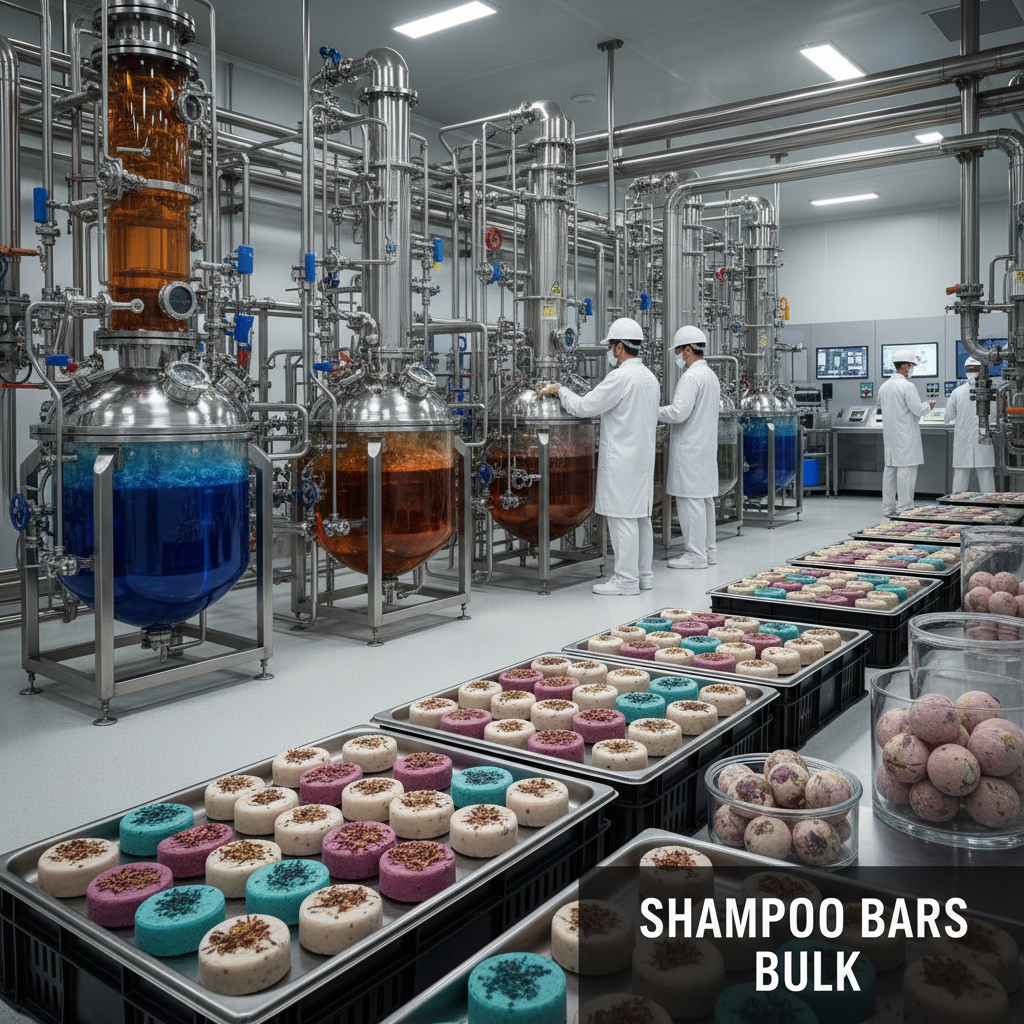
From a manufacturing perspective, the transition to shampoo soap represents a sophisticated evolution in fine chemical production. By eliminating the need for large volumes of water—the primary ingredient in liquid shampoos—brands can drastically reduce shipping weights and eliminate the need for single-use plastic bottles. This pivot aligns with global sustainability goals and the growing "zero-waste" movement that is reshaping the personal care industry across North America, Europe, and Asia.
Beyond the ecological benefits, the adoption of shampoo soap addresses the need for cleaner ingredient lists. Modern formulations focus on biodegradable oils and plant-based fatty acids, avoiding the harsh sulfates often found in mass-market liquid products. This educational guide explores the technical nuances, global applications, and future innovations of solid hair care, providing a comprehensive overview of why this format is the future of sustainable grooming.
The Fundamentals of Shampoo Soap Formulation
At its core, shampoo soap is a concentrated cleansing bar designed specifically for the scalp and hair. Unlike traditional body soaps, which may have a pH level too high for the hair cuticle, professional-grade shampoo bars are engineered using a process called syndet (synthetic detergent) formulation or precise saponification with pH-balancing agents. This ensures that the hair remains smooth and manageable while effectively removing sebum and environmental pollutants.
The manufacturing process involves blending lipids, surfactants, and conditioning agents into a dense matrix. By controlling the curing time and the ratio of hard oils to soft oils, manufacturers can create a bar that is durable enough to last through dozens of washes but soluble enough to create a rich, creamy lather. This balance is critical for ensuring the product does not "mush" in a soap dish, a common complaint in early-generation solid cleansers.
Global Market Relevance and Sustainability
The global shift toward "plastic-free" living has pushed shampoo soap from a niche health-food store product to a mainstream consumer staple. According to industry trends aligning with ISO environmental standards, the reduction of plastic waste in the personal care sector is a top priority. A single shampoo bar can replace up to three traditional 250ml plastic bottles, significantly reducing the volume of polyethylene terephthalate (PET) entering landfills and oceans.
Furthermore, the logistics of distributing solid products are far more efficient. Because shampoo soap is anhydrous (waterless), the volume and weight of the product are reduced by approximately 70-80%. This lead to a dramatic decrease in carbon emissions during transport, as more product can be shipped in a single container compared to heavy, water-based liquid alternatives. This makes it an ideal solution for global supply chains aiming for Net Zero goals.
From a humanitarian perspective, these concentrated bars are invaluable in disaster relief and remote industrial zones. Their stability, ease of transport, and long shelf life make them superior to liquids, which can leak or spoil under extreme temperatures. By providing a high-density hygiene solution, organizations can maintain sanitary standards in challenging environments where traditional infrastructure is lacking.
Core Components and Ingredient Efficacy
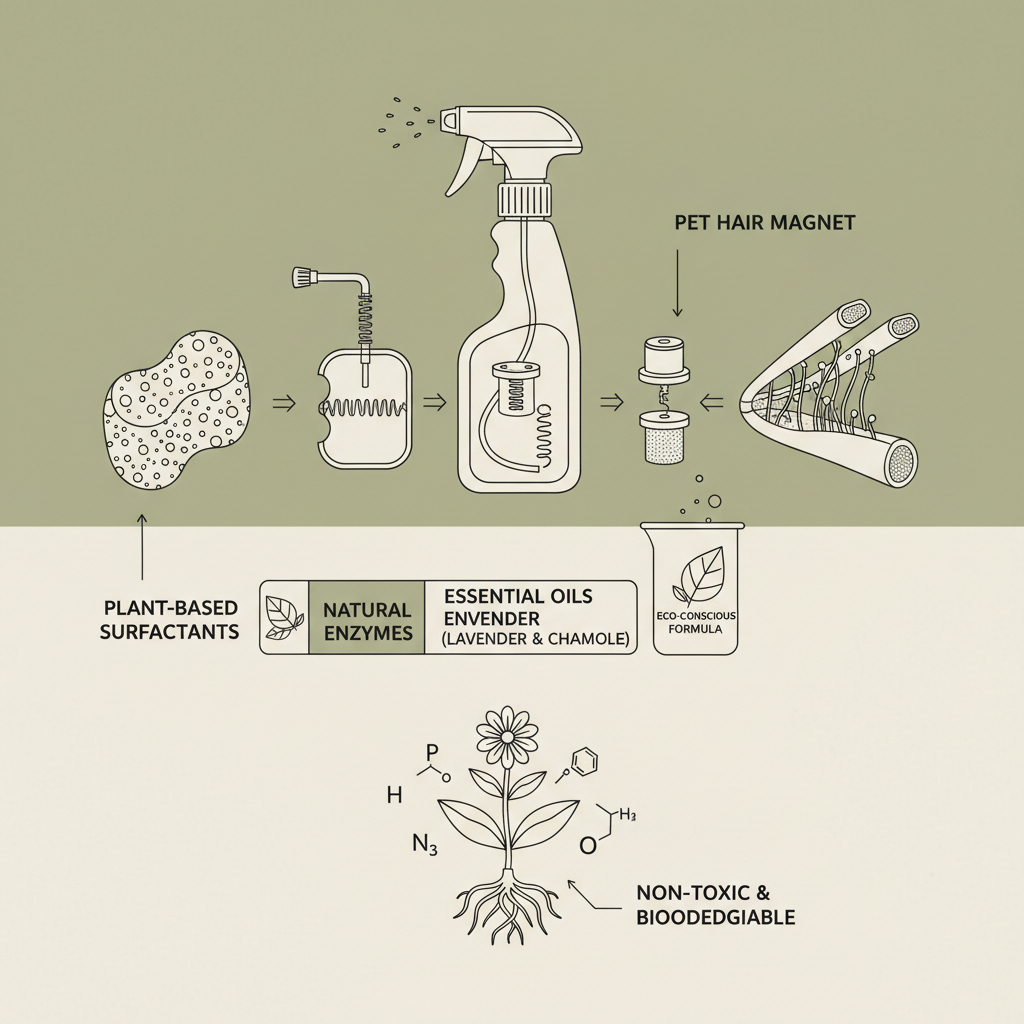
The effectiveness of a high-quality shampoo soap depends on the synergy between its surfactants and conditioning agents. Primary surfactants, such as Sodium Cocoyl Isethionate (SCI), are often used because they are coconut-derived and exceptionally mild on the skin, providing the necessary "slip" and foaming action without stripping the hair of its natural oils.
To enhance the hair's texture, manufacturers integrate nourishing lipids like Shea Butter or Cocoa Butter. These ingredients act as emollients, sealing the hair cuticle and providing a protective layer that prevents moisture loss. When balanced correctly, these fats ensure that the shampoo soap leaves the hair feeling soft rather than waxy, a common technical hurdle in solid bar production.
Finally, the inclusion of botanical extracts and essential oils serves both a functional and sensory purpose. Ingredients like peppermint oil for scalp stimulation or argan oil for frizz control are blended into the bar during the cooling phase. This ensures that the volatile aromatic compounds are preserved, delivering a premium aromatherapy experience that rivals any luxury liquid shampoo on the market.
Performance Metrics and Comparative Analysis
When evaluating the performance of shampoo soap, industry experts look at several key metrics: lather density, pH compatibility, and erosion rate. A superior bar must maintain a stable pH (typically between 4.5 and 5.5) to prevent the hair cuticle from opening, which would lead to tangles and breakage. Comparative tests show that syndet-based bars perform almost identically to liquid shampoos in terms of cleansing power.
Moreover, the "cost per wash" is significantly lower for solid formats. While the initial purchase price of a premium bar may be higher than a cheap bottle of liquid soap, the concentration of active ingredients means the consumer gets more uses per gram of product. This logical value proposition, combined with the emotional satisfaction of reducing plastic waste, drives high customer retention rates.
Performance Comparison of Shampoo Soap Variants
Real-World Applications and Use Cases
The versatility of shampoo soap makes it an ideal choice for the modern traveler. Because it is a solid, it bypasses TSA liquid restrictions and eliminates the risk of messy leaks in luggage. Frequent flyers and backpackers have adopted shampoo bars as a "multi-use" tool, with some formulations designed to work for both the body and hair, further reducing the amount of gear required for transit.
In the professional spa and hospitality sector, high-end hotels are replacing miniature plastic bottles with artisanal shampoo soap. This change not only aligns with corporate social responsibility (CSR) goals but also enhances the guest experience by offering a tactile, handcrafted product. By switching to solids, hotels can reduce their bathroom waste by tons of plastic annually while maintaining a luxury aesthetic.
Long-Term Value and Consumer Advantages
The long-term value of switching to shampoo soap extends beyond simple cost savings. For the consumer, it represents a commitment to a healthier lifestyle. By avoiding the preservatives (like parabens) and synthetic fragrances necessary to stabilize liquid formulas, users often report a reduction in scalp irritation and a more natural hair volume.
Moreover, the psychological impact of "conscious consumption" cannot be overstated. There is a significant emotional reward in knowing that one's daily grooming routine is not contributing to the global plastic crisis. This trust in the brand's commitment to the planet fosters deep customer loyalty, transforming a simple purchase into a statement of values.
Reliability is another key advantage. Solid bars are less prone to contamination and do not require the complex stabilization systems that liquid shampoos do. This results in a product that remains potent and effective from the first wash to the very last sliver of the bar, ensuring consistent results for the user over several months of use.
Future Innovations in Solid Hair Care
The future of shampoo soap is being shaped by breakthroughs in biotechnology and material science. We are seeing the rise of "customized bars," where AI-driven scalp analysis allows manufacturers to create bespoke solid formulas tailored to an individual's specific hair porosity and oil production. This level of personalization was previously only possible with expensive liquid salon treatments.
Sustainability is also moving toward "circularity." Future iterations of shampoo soap will likely utilize upcycled ingredients, such as oils recovered from food production waste or biodegradable wraps made from seaweed. This ensures that the product is not just "plastic-free" but "net-positive" for the environment.
Automation in the manufacturing process is also increasing, allowing for more precise dosing of active ingredients and more complex shapes that improve the ergonomics of the bar. As the industry scales, the cost of these advanced formulations will drop, making professional-grade solid hair care accessible to all socioeconomic groups globally.
Technical Analysis of Shampoo Soap Innovation Trends
|
Innovation Driver
|
Technical Implementation
|
Expected Impact
|
Sustainability Score (1-10)
|
| Upcycled Lipids |
Recovering oils from food waste |
Lower raw material costs |
10 |
| AI Personalization |
Scalp analysis algorithms |
Higher efficacy per user |
7 |
| Seaweed Packaging |
Edible/Compostable films |
Zero waste lifecycle |
10 |
| Cold-Process Tech |
Low-heat saponification |
Preservation of nutrients |
8 |
| Micro-Encapsulation |
Timed-release scent beads |
Longer lasting fragrance |
6 |
| Syndet-Hybrid Bases |
Blended organic/synthetic surfactants |
Optimal pH balancing |
9 |
FAQS
This typically happens with traditional high-pH soaps. However, professional shampoo soap bars, especially those using syndet technology, are pH-balanced to match the scalp. This prevents wax buildup and ensures the hair remains smooth and manageable. To further prevent residue, we recommend a light rinse with apple cider vinegar or a pH-balanced conditioner.
On average, a standard 80g-100g bar of shampoo soap lasts as long as two to three 250ml bottles of liquid shampoo. The longevity depends on how you store it; keeping the bar in a well-draining soap dish to dry between uses can extend its life by up to 30% compared to letting it sit in water.
Yes, but the formulation matters. For oily hair, bars with charcoal or tea tree oil are most effective. For curly or dry hair, bars rich in shea butter and argan oil provide the necessary moisture. Because shampoo soap can be customized with different active ingredients, there is a specific variant for every hair concern.
Absolutely. Many users find that shampoo soap works excellently as a body cleanser. Since it is designed to be gentle enough for the scalp, it is typically very mild on the rest of the skin. This makes it a perfect "all-in-one" solution for minimalist travel or a simplified shower routine.
Your hair may undergo a short "adjustment period" as it sheds the silicone buildup from commercial liquid shampoos. During the first two weeks of using shampoo soap, you might notice a change in texture. Stick with it; once the synthetic residues are gone, your hair will typically feel lighter, more voluminous, and healthier.
Yes, high-quality shampoo soap is formulated with biodegradable surfactants and oils that break down naturally in the environment. When paired with compostable or recyclable paper packaging, the entire product lifecycle becomes plastic-free, significantly reducing the ecological footprint of your beauty routine.
Conclusion
The transition to shampoo soap is more than just a trend; it is a necessary evolution in the personal care industry. By combining advanced chemical formulation with a deep commitment to environmental stewardship, solid hair care offers a superior alternative that reduces plastic waste, lowers carbon emissions, and provides a cleaner, more concentrated cleansing experience. From the technical precision of pH balancing to the logistical efficiency of anhydrous products, the value proposition is clear for both the manufacturer and the end-user.
As we look toward a future of circular beauty and personalized wellness, the continued innovation of solid formats will play a pivotal role. We encourage consumers and businesses alike to embrace these sustainable solutions to protect our oceans and improve personal health. To explore our range of professional-grade sustainable hair care, visit our website: www.enyubodycare.com