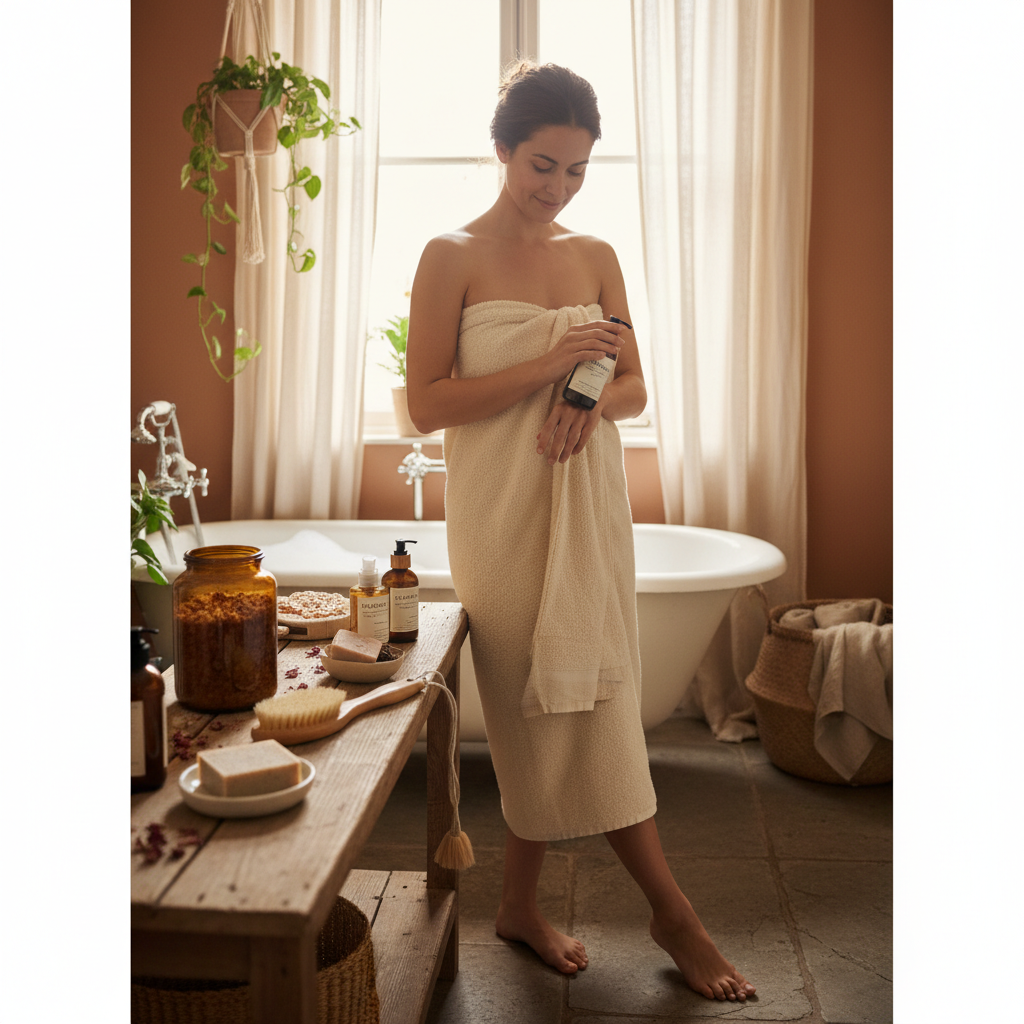
Shampoo bars are rapidly gaining popularity as a sustainable and convenient alternative to traditional liquid shampoos. These solid formulations, often handcrafted, offer a concentrated dose of cleansing and conditioning ingredients without the plastic waste associated with bottled shampoos. The rise of types of shampoo bars is driven by growing consumer awareness of environmental issues and a desire for more natural and eco-friendly personal care products. Understanding the diverse landscape of types of shampoo bars – from those designed for oily hair to those suited for sensitive scalps – empowers consumers to make informed choices aligned with their individual needs and values.
Globally, the personal care market is a multi-billion dollar industry, and the demand for sustainable products within this sector is surging. According to a 2023 report by Grand View Research, the global green personal care market size was valued at USD 6.33 billion and is projected to reach USD 11.85 billion by 2030, growing at a CAGR of 9.1%. This growth is fueled by increasing environmental concerns and regulatory pressures to reduce plastic consumption. Types of shampoo bars directly address these concerns by eliminating plastic packaging and often utilizing biodegradable ingredients.
The shift towards solid hair care solutions, specifically the various types of shampoo bars, isn't just a trend; it's a response to a systemic problem – the overwhelming amount of plastic waste generated by the beauty industry. Types of shampoo bars offer a practical and effective solution, reducing the carbon footprint associated with production, transportation, and disposal of traditional shampoo bottles. Their portability and concentrated formula also make them ideal for travel and minimalist lifestyles.
Introduction to Types of Shampoo Bars
The world of shampoo bars is surprisingly diverse, extending far beyond a single "one-size-fits-all" product. Different types of shampoo bars cater to specific hair types and concerns, utilizing varying ingredient combinations. From sulfate-free options for sensitive scalps to bars enriched with oils for dry and damaged hair, the range available is continually expanding. This specialization is a key driver of the growing popularity of these solid alternatives.
Understanding the different types of shampoo bars allows consumers to select the most effective product for their needs. Ingredients play a crucial role; some bars utilize gentle surfactants derived from coconut or sugar, while others may include protein-rich ingredients for strengthening hair. The formulation directly impacts the bar's lather, cleansing power, and overall performance.
Defining Types of Shampoo Bars
Types of shampoo bars are essentially solid formulations of shampoo, created by combining cleansing agents (surfactants), conditioning ingredients, oils, butters, and other beneficial additives. Unlike traditional liquid shampoos which are typically 70-80% water, shampoo bars contain very little to no water, making them incredibly concentrated and reducing the need for bulky plastic packaging. This concentration also translates to a longer-lasting product.
The shift toward these solid alternatives aligns with the principles of a circular economy, minimizing waste and maximizing resource efficiency. They’re increasingly seen as a vital part of a zero-waste lifestyle, catering to individuals actively seeking to reduce their environmental impact. They contribute to the broader movement toward sustainable consumption.
In essence, defining types of shampoo bars involves recognizing their core function – cleaning and conditioning hair – while highlighting their unique delivery system and inherent sustainability benefits. They represent a modern approach to haircare, blending efficacy with environmental responsibility.
Key Components of Shampoo Bar Formulations
The foundation of all types of shampoo bars lies in their surfactant system. Surfactants, like Sodium Coco Sulfate (SCS) or Cocamidopropyl Betaine, are responsible for creating lather and lifting dirt and oil from the hair. However, the type of surfactant used significantly impacts the bar's gentleness and cleansing power. Sulfate-free options utilize milder surfactants, making them ideal for sensitive scalps.
Beyond surfactants, conditioning agents are crucial. Ingredients like shea butter, cocoa butter, and various plant oils (argan, jojoba, coconut) provide moisture, detangling properties, and overall hair health. The balance between surfactants and conditioning agents determines whether a particular type of shampoo bar is better suited for dry, oily, or normal hair.
Additional ingredients commonly found in types of shampoo bars include essential oils for fragrance and therapeutic benefits, clays for absorbing excess oil, and herbal extracts for specific hair concerns. The quality and sourcing of these ingredients are important considerations, with many consumers opting for organic and ethically sourced options.
Global Applications of Different Types of Shampoo Bars
The versatility of types of shampoo bars allows for tailored applications across diverse demographics and hair concerns globally. In regions with hard water, bars formulated with chelating agents are popular to prevent mineral buildup. Across Asia, where traditional herbal remedies are prevalent, shampoo bars infused with ingredients like ginseng or green tea are gaining traction.
Different types of shampoo bars find specific niche uses. For example, travel enthusiasts appreciate their compact, lightweight nature and elimination of TSA liquid restrictions. Athletes often favor bars with clarifying ingredients to remove chlorine or sweat buildup. The growing vegan and cruelty-free movements drive demand for bars formulated without animal-derived ingredients.
Types of Shampoo Bars: Market Share by Formulation (Estimated)
Advantages and Long-Term Value of Shampoo Bars
The advantages of types of shampoo bars extend far beyond mere convenience. Their concentrated formula translates to significant cost savings over time, as a single bar can last significantly longer than a comparable bottle of liquid shampoo. This economic benefit is coupled with a reduced environmental footprint due to the elimination of plastic packaging and reduced shipping weight.
From a sustainability perspective, the long-term value is undeniable. Supporting brands that prioritize sustainable sourcing and production methods further amplifies this impact. Choosing types of shampoo bars is a tangible step towards reducing plastic pollution and promoting responsible consumption.
Future Trends in Shampoo Bar Innovation
The future of types of shampoo bars is poised for significant innovation. We can expect to see further refinement of sulfate-free surfactant blends, focusing on maximizing lather and cleansing performance while maintaining gentleness. Personalized formulations, potentially tailored to individual hair microbiome analyses, are also on the horizon.
Developments in packaging will likely focus on compostable or biodegradable wrapping materials. Integration with digital technologies, such as QR codes providing ingredient transparency and personalized hair care routines, could also become commonplace.
A growing trend is the incorporation of waterless technology, focusing on creating even more concentrated formulas that require minimal activation. This will reduce the environmental impact of production and shipping, solidifying the position of types of shampoo bars as a truly sustainable choice.
Challenges and Solutions in Shampoo Bar Production and Use
Despite their numerous benefits, types of shampoo bars face some challenges. Some users experience a learning curve in adapting to the solid format, particularly in achieving adequate lather and distribution. This can be addressed through clear instructions and education on proper usage techniques.
Scaling up production while maintaining quality and ethical sourcing can also be a hurdle for smaller brands. Investing in efficient manufacturing processes and building strong relationships with sustainable ingredient suppliers are crucial solutions.
Finally, preventing the bar from becoming soggy requires proper storage – keeping it dry between uses is essential. Innovative packaging designs incorporating drainage or desiccant materials can further mitigate this issue.
Summary of Challenges and Solutions for Different Types of Shampoo Bars
| Challenge |
Impacted Shampoo Bar Type |
Severity (1-10) |
Proposed Solution |
| Achieving sufficient lather |
Sulfate-Free Bars |
6 |
Increase surfactant concentration or use a co-surfactant |
| Bar becoming soggy |
All types, especially high-oil formulations |
7 |
Improved packaging with drainage or desiccant |
| Scaling production sustainably |
All types |
8 |
Investment in efficient equipment and ethical sourcing |
| Maintaining ingredient quality |
Bars using delicate botanical extracts |
5 |
Rigorous quality control and optimized storage conditions |
| Consumer education on proper use |
All types |
6 |
Clear instructions and online tutorials |
| Cost competitiveness with liquid shampoos |
Premium ingredient bars |
7 |
Optimize ingredient sourcing and production efficiency |
FAQS
Shampoo bars are solid formulations containing concentrated surfactants and conditioning agents, eliminating the need for water and plastic packaging. This makes them more eco-friendly, portable, and often longer-lasting than liquid shampoos. They offer a comparable cleansing experience, often with a more natural ingredient list, but may require a slightly different application technique to create a satisfying lather.
No, not all shampoo bars are created equal! Different types of shampoo bars are formulated for specific hair types. For example, sulfate-free bars are excellent for sensitive scalps, while bars with added oils are ideal for dry, damaged hair. Clarifying bars are designed for oily hair, removing buildup effectively. Identifying your hair type and choosing a bar accordingly is key.
Proper storage is crucial! After each use, allow your shampoo bar to dry completely before storing it. A well-draining soap dish, away from direct water spray, is ideal. Avoid leaving it sitting in a puddle of water. Some bars come with their own storage containers designed to promote airflow and prevent sogginess.
Yes, absolutely. Types of shampoo bars drastically reduce plastic waste compared to traditional liquid shampoos. Their concentrated formula also minimizes shipping weight and associated carbon emissions. Many brands prioritize sustainable sourcing of ingredients and utilize biodegradable packaging, further enhancing their eco-friendly profile.
A well-maintained shampoo bar can last significantly longer than a typical bottle of liquid shampoo – often 50-80 washes. The exact lifespan depends on hair length, washing frequency, and how well the bar is stored. Because they are so concentrated, a little goes a long way!
It depends on the type of shampoo bar and your hair type. Many shampoo bars contain conditioning ingredients and may eliminate the need for a separate conditioner, especially for normal to oily hair. However, if you have very dry or damaged hair, you may benefit from following up with a lightweight conditioner to provide extra moisture and detangling.
Conclusion
Throughout this exploration of types of shampoo bars, we’ve seen how these solid alternatives represent a significant shift in the personal care industry. From their environmental benefits – reducing plastic waste and promoting sustainability – to their tailored formulations catering to diverse hair needs, shampoo bars offer a compelling and effective solution for conscious consumers. Understanding the nuances of different ingredients and formulations empowers individuals to make informed choices aligned with their values and hair health.
Looking ahead, continued innovation in sustainable packaging, personalized formulations, and efficient production methods will further enhance the appeal and accessibility of types of shampoo bars. Embracing these eco-friendly options is not just a personal choice; it’s a collective step towards a more sustainable and responsible future for the beauty industry. Discover the perfect type of shampoo bar for your hair at enyubodycare.com today!