The quest for revitalizing hair color is as old as time, but modern science has introduced innovative solutions like the hair darkening shampoo bar. This isn't merely a cosmetic trend; it’s a response to the growing desire for gentle, natural, and convenient ways to address graying hair, bypassing harsh chemical treatments. The demand for effective, plant-based options continues to surge, driven by increasing consumer awareness and a preference for holistic wellbeing.
The global market for hair care products is a multi-billion dollar industry, and the segment focused on addressing gray hair is significant and expanding. Reports from market research firms indicate a growing preference for products that offer gradual darkening, minimizing the stark contrast often associated with traditional dyes. The rise of eco-conscious consumers is further fueling this demand, prompting brands to prioritize sustainable ingredients and packaging. This shift represents a fundamental change in how people approach hair care.
The hair darkening shampoo bar provides a compelling alternative to conventional hair dyes, offering a convenient and less damaging method for restoring hair color. This innovative approach leverages the power of natural ingredients, effectively minimizing the potential for allergic reactions and long-term hair damage. It's a solution that addresses a widespread aesthetic concern while aligning with consumer values of health, sustainability, and natural beauty.
The Science Behind Hair Darkening Shampoo Bars
The efficacy of a hair darkening shampoo bar hinges on the science of melanin restoration. Gray hair occurs due to a decline in melanin production within the hair follicles. While these bars don't necessarily 'restore' melanin to levels of youthful hair, they deposit pigments that mimic natural hair color, offering a gradual darkening effect. The process isn’t immediate, which is a key differentiator from traditional dyes.
Crucially, the science also involves understanding the interaction between the bar’s ingredients and the hair shaft. Natural pigments, often derived from plants, bind to the hair cuticle, temporarily coloring it. The duration of this color deposit depends on factors like hair porosity, washing frequency, and the specific formulation of the shampoo bar. Research is ongoing to optimize pigment binding and color longevity within this framework.
Understanding the Key Ingredients
At the heart of every effective hair darkening shampoo bar lies a carefully curated blend of ingredients. Indigo powder (Indigofera tinctoria) is a primary component, known for its ability to impart a rich, blue-black tone. Henna (Lawsonia inermis), while traditionally associated with red tones, can be modified through processing to achieve varying shades of brown and auburn, contributing to a more natural-looking result.
Other vital ingredients include nourishing oils like coconut oil, argan oil, or jojoba oil, which condition the hair and enhance pigment absorption. Botanical extracts, such as amla (Indian gooseberry) and bhringraj, are often included for their purported hair-strengthening and color-enhancing properties. These ingredients work synergistically to not only darken hair but also promote overall hair health.
Formulations also often incorporate emulsifiers and surfactants to ensure the bar lathers adequately and distributes the pigments evenly. Natural clays, like bentonite or rhassoul clay, are sometimes added to help draw out impurities and enhance color uptake. The synergistic interplay of these ingredients dictates the bar’s performance and its suitability for different hair types.
The Manufacturing Process of Hair Darkening Bars
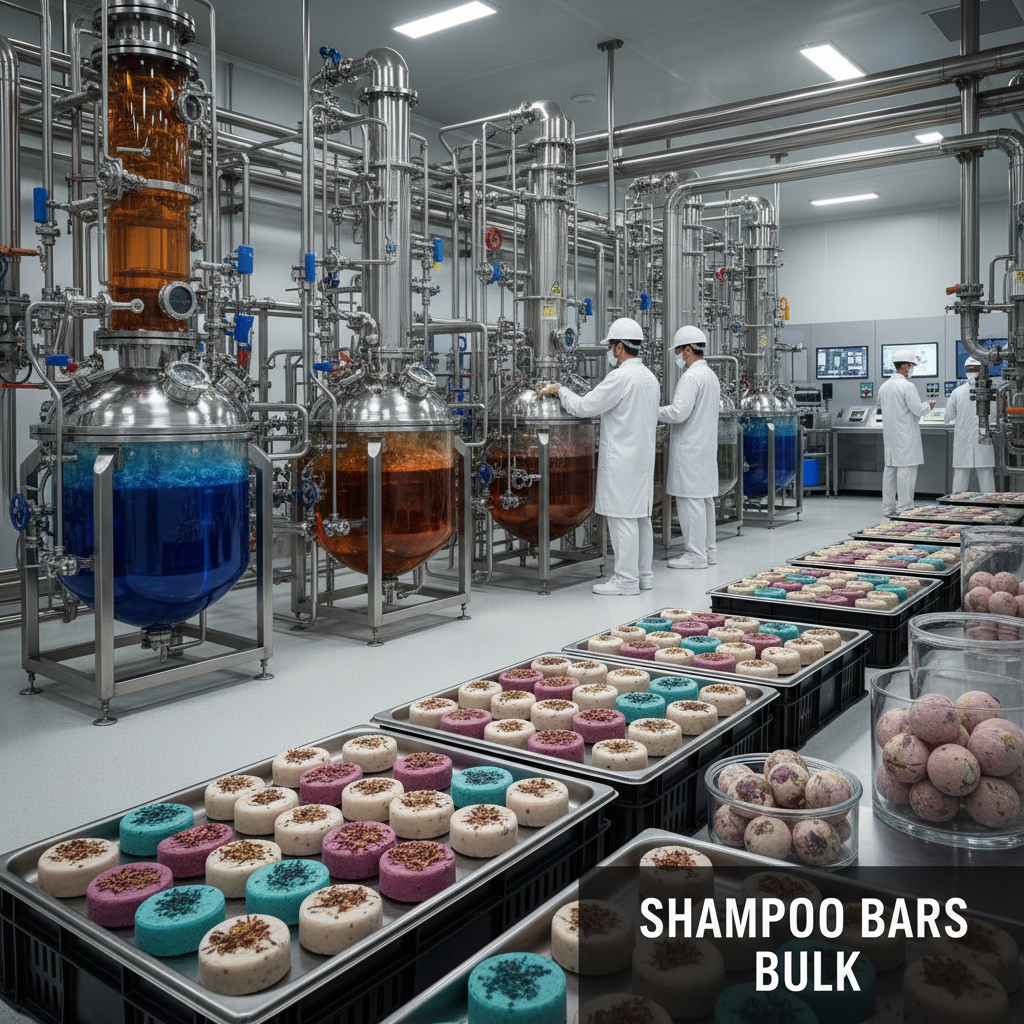
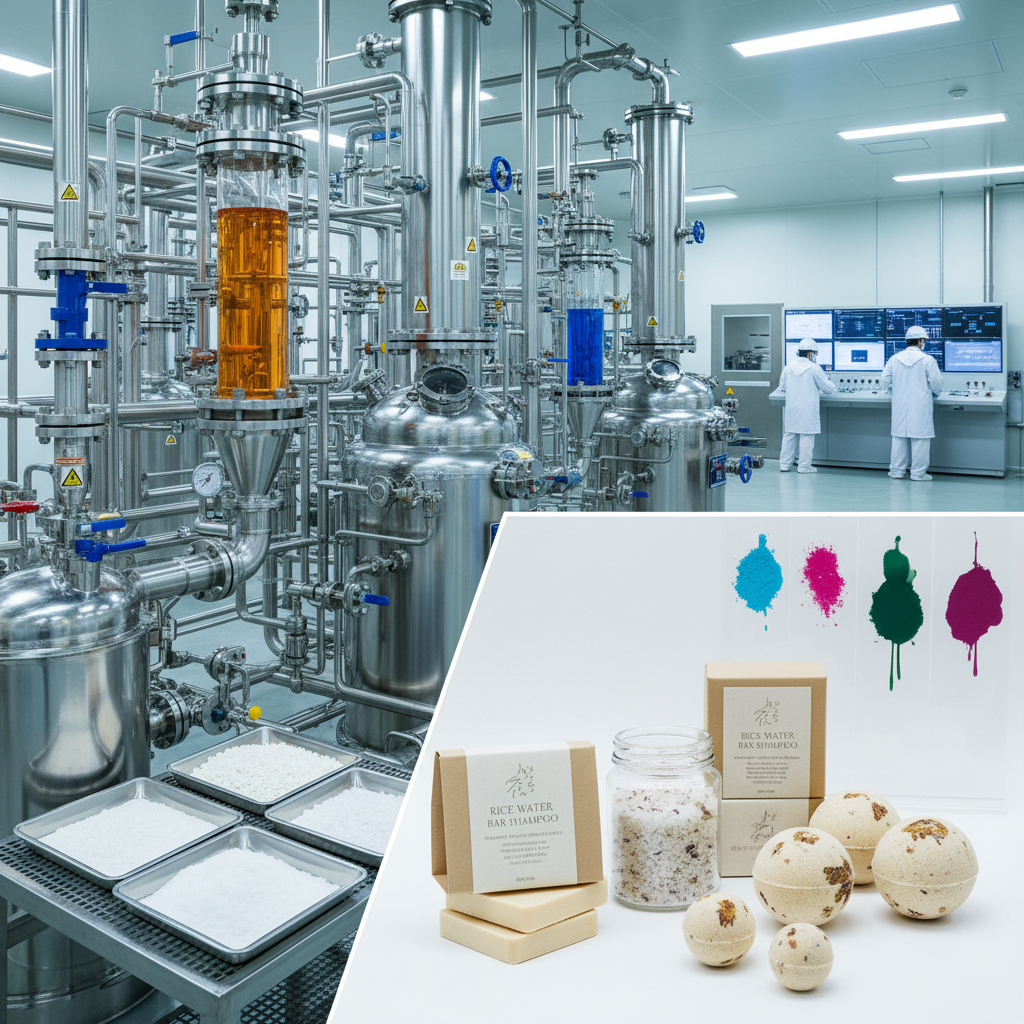
Crafting a high-quality hair darkening shampoo bar is a delicate process that requires precision and attention to detail. It typically begins with the meticulous sourcing of raw materials – ensuring the purity and quality of indigo, henna, and other botanical ingredients. These materials undergo rigorous testing before being incorporated into the formulation.
The manufacturing process generally involves combining the powdered ingredients with liquid oils and extracts, followed by a technique known as ‘cold process saponification’. This involves reacting the oils with a lye solution (sodium hydroxide) to create soap. Careful temperature control is crucial during saponification to prevent overheating and preserve the potency of the herbal ingredients.
Once saponification is complete, the mixture is poured into molds and allowed to cure for several weeks. This curing process allows excess water to evaporate, resulting in a harder, longer-lasting bar. The finished bars are then inspected for quality, trimmed, and packaged. Ensuring consistent batch-to-batch quality requires strict adherence to standard operating procedures and comprehensive quality control measures.
Variations in the manufacturing process can impact the final product. For example, using a ‘hot process’ saponification can accelerate the curing time, but may slightly alter the texture and appearance of the bar. Different mold designs and finishing techniques also contribute to the unique characteristics of each hair darkening shampoo bar.
Performance Metrics of Hair Darkening Shampoo Bars
Evaluating the effectiveness of a hair darkening shampoo bar requires assessing several key performance indicators. Color deposit is perhaps the most critical metric – measuring the degree of darkening achieved after a specific number of washes. This can be quantified using spectrophotometry to assess changes in hair color intensity.
Colorfastness, or the resistance to fading, is also essential. Factors such as UV exposure, washing frequency, and hair porosity can all impact color retention. Durability is also key—how many washes can be achieved with a single bar? This is linked to the bar’s density and ingredient concentration.
Hair Darkening Shampoo Bar Performance Comparison
Global Applications and Market Trends
The demand for hair darkening shampoo bars is experiencing notable growth across various regions. In Asia, particularly India and China, where traditional herbal remedies are deeply ingrained in the culture, these bars are gaining popularity as a natural alternative to chemical dyes. Europe and North America are also witnessing increased adoption, driven by the rising trend of natural and organic beauty products.
Market trends indicate a growing preference for customizable formulations – bars tailored to specific hair types and color preferences. There’s also a rising demand for sustainable packaging, with consumers seeking eco-friendly options that minimize environmental impact. Furthermore, the influence of social media and beauty influencers is playing a significant role in driving awareness and adoption.
Advantages and Sustainability Aspects
The advantages of opting for a hair darkening shampoo bar extend beyond aesthetic benefits. Compared to conventional dyes, these bars are generally gentler on the hair, minimizing damage and breakage. The absence of harsh chemicals like ammonia and parabens reduces the risk of allergic reactions and scalp irritation.
From a sustainability perspective, these bars often boast a smaller environmental footprint. They are typically packaged in biodegradable or recyclable materials, reducing plastic waste. The use of sustainably sourced ingredients and the elimination of water-intensive manufacturing processes further contribute to their eco-friendliness.
Future Innovations and Challenges
The future of hair darkening shampoo bars holds exciting possibilities. Research is underway to enhance color longevity and develop formulations that cater to a wider range of hair colors. Microencapsulation technology could be employed to improve pigment delivery and reduce fading.
Challenges remain, however. Achieving consistent color results across diverse hair types can be difficult. Addressing consumer perceptions regarding the effectiveness of natural colorants is also crucial. Maintaining competitive pricing while upholding sustainable sourcing practices presents another hurdle.
A Summary of Challenges and Potential Solutions for Hair Darkening Shampoo Bars
| Challenge |
Impact on Hair Darkening Shampoo Bars |
Potential Solutions |
Implementation Cost (1-10) |
| Color Longevity |
Faster fading compared to chemical dyes. |
Microencapsulation of pigments, optimized formulations. |
7 |
| Color Consistency |
Variations in results depending on hair type and porosity. |
Personalized formulations based on hair analysis. |
8 |
| Consumer Perception |
Skepticism about the effectiveness of natural colorants. |
Educational marketing highlighting benefits and results. |
5 |
| Sourcing Sustainability |
Ensuring ethical and environmentally responsible sourcing of ingredients. |
Direct partnerships with sustainable farmers and suppliers. |
6 |
| Cost Competitiveness |
Balancing sustainable practices with affordable pricing. |
Optimizing production processes and bulk sourcing. |
7 |
| Scalability of Production |
Meeting increasing demand while maintaining quality control. |
Investing in automated production technologies. |
9 |
FAQS
The duration of color deposit from a hair darkening shampoo bar varies based on factors such as hair porosity, washing frequency, and the bar's formulation. Generally, you can expect the color to gradually fade over 2-4 weeks, requiring consistent use for optimal results. Unlike permanent dyes, these bars offer a semi-permanent solution, allowing for flexibility and minimizing damage.
Most hair darkening shampoo bars are formulated to be gentle enough for most hair types. However, those with highly porous or chemically treated hair might experience more rapid color deposit. It's always recommended to perform a strand test before full application to assess the color outcome and ensure compatibility. Some formulations cater to specific hair types, such as dry or oily hair.
If you have known allergies to any of the ingredients commonly found in hair darkening shampoo bars, such as henna or indigo, it's crucial to avoid using the product. Always review the ingredient list carefully. Perform a patch test on a small area of skin before using the bar on your scalp to check for any adverse reactions. Consult with a dermatologist if you have concerns.
Hair darkening shampoo bars offer a gentler, semi-permanent alternative to traditional hair dye. Traditional dyes often contain harsh chemicals like ammonia and parabens, which can damage hair. Shampoo bars utilize natural pigments, minimizing damage and reducing the risk of allergic reactions. The color deposit is gradual and less intense than traditional dyes, providing a more natural-looking result.
No, the color from a hair darkening shampoo bar is not permanent. It's a semi-permanent solution that gradually washes out over time. The longevity of the color varies depending on hair type, washing frequency, and the specific formula. Regular use is required to maintain the desired color intensity.
To prolong the life of your hair darkening shampoo bar, store it in a cool, dry place away from direct sunlight and moisture. A soap dish that allows for proper drainage is ideal. This prevents the bar from becoming soggy and losing its effectiveness. Keeping it dry ensures the ingredients remain potent and the bar lasts longer.
Conclusion
In conclusion, the hair darkening shampoo bar represents a significant advancement in hair care, providing a gentle, natural, and sustainable alternative to traditional dyes. Its increasing popularity reflects a broader shift towards conscious consumerism and a desire for products that prioritize both personal wellbeing and environmental responsibility. By leveraging the power of botanical ingredients and innovative formulations, these bars offer a compelling solution for those seeking to revitalize their hair color without compromising their health or values.
As research continues and manufacturing processes become more refined, we can anticipate even more effective and customized hair darkening shampoo bars emerging on the market. The potential for personalized formulations, enhanced color longevity, and improved sustainability practices is immense. Embracing this innovative approach to hair care is not only a step towards aesthetic enhancement but also a commitment to a healthier and more sustainable future.