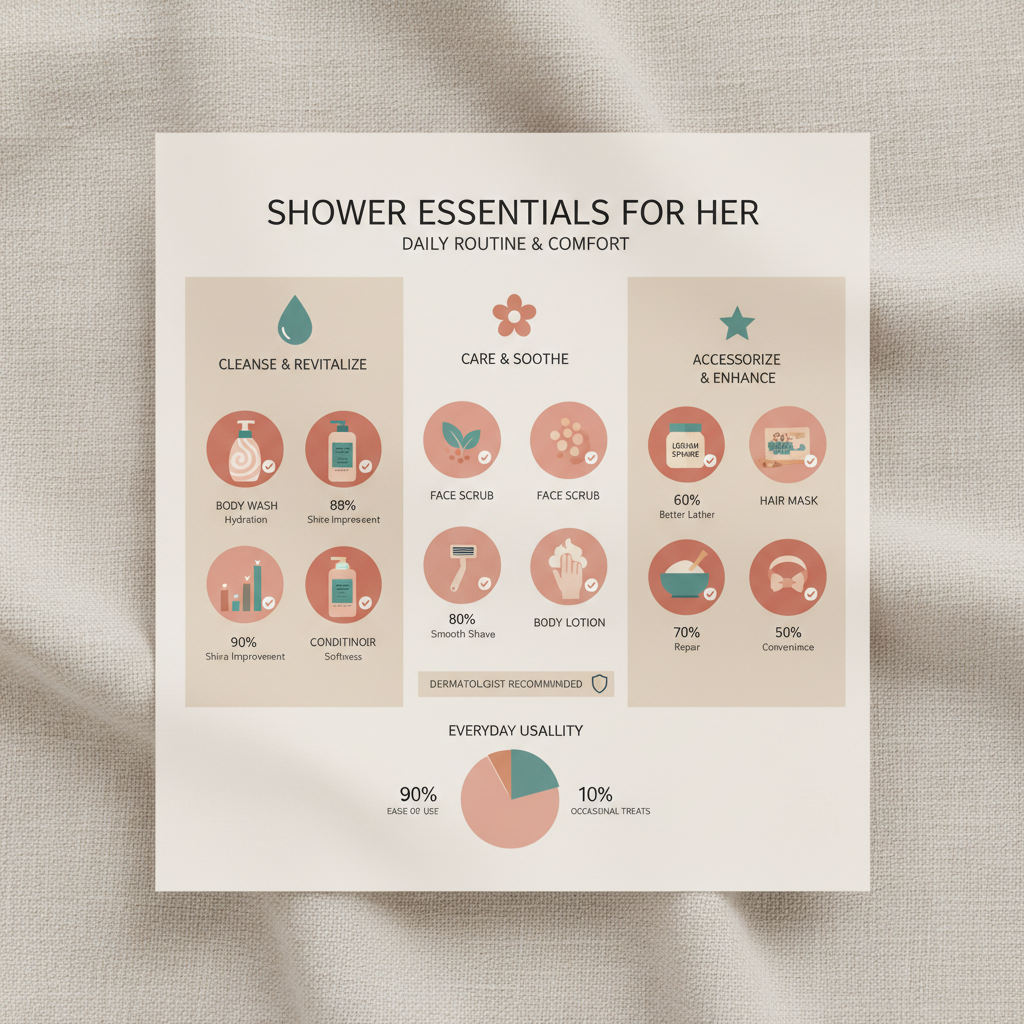
The world of personal care is vast, but focusing on specifically formulated shower products for women is a growing trend reflecting an increased awareness of unique physiological needs. From pH balance to skin sensitivity, women’s bodies require tailored care, and this demand is driving innovation in the beauty and wellness industry. Understanding these specialized products isn’t just about hygiene; it’s about holistic health and well-being.
Globally, the feminine hygiene market is a multi-billion dollar industry, projected to continue its expansion due to factors like rising disposable incomes, increased awareness of personal hygiene, and a growing female population. According to reports, the sector demonstrates resilience even during economic downturns, signifying its fundamental importance. However, significant disparities exist in access to quality shower products for women, particularly in developing countries.
The challenge lies in bridging this gap and ensuring that all women have access to products that promote health and dignity. This necessitates a comprehensive understanding of formulation, distribution, and cultural sensitivities surrounding feminine hygiene. Addressing this challenge can have profound impacts on public health, gender equality, and overall quality of life.
The Importance of Specialized Shower Care for Women
The skin's pH balance differs between men and women, with women generally having more acidic skin. This impacts how skin reacts to ingredients, necessitating formulations specifically designed for a woman’s physiology. Using pH-balanced shower products for women helps maintain the skin's natural barrier, preventing dryness, irritation, and potential infections.
Beyond pH, hormonal fluctuations throughout a woman’s life (menstruation, pregnancy, menopause) dramatically affect skin sensitivity and hydration levels. Specialized shower products address these changing needs with ingredients like hyaluronic acid for hydration, soothing botanicals, and gentle cleansers that don’t strip away natural oils.
Defining Shower Products for Women
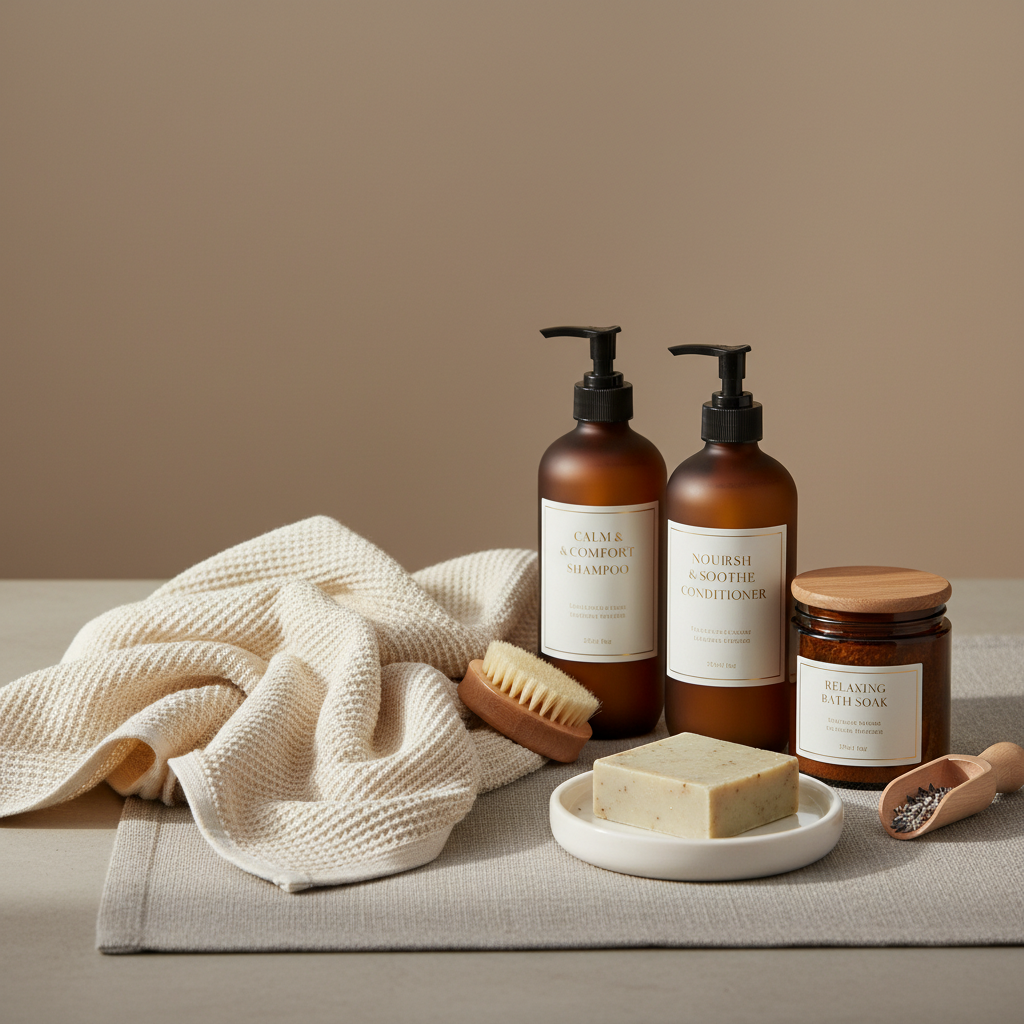
Shower products for women encompass a range of formulations designed specifically for the female body, including body washes, shower gels, and bar soaps. These products distinguish themselves from unisex options through their ingredient profiles, pH levels, and targeted benefits, such as addressing dryness, sensitivity, or specific hormonal changes.
The development of these products connects directly to modern advancements in dermatology and cosmetic science, recognizing the unique biological needs of women. It’s a move away from a ‘one-size-fits-all’ approach to personal care and towards personalized solutions that support overall health and well-being.
This burgeoning field also responds to the growing demand for transparency and ethical sourcing within the beauty industry. Consumers are increasingly seeking products made with natural, sustainable ingredients and cruelty-free practices, driving manufacturers to prioritize these aspects in their formulations.
Key Formulation Factors in Women’s Shower Products
pH Balance: Maintaining a slightly acidic pH (between 5.5 and 6.5) is crucial for protecting the skin's natural barrier. Shower products for women often include ingredients like lactic acid or citric acid to help maintain this optimal pH.
Gentle Cleansers: Harsh sulfates like SLS (Sodium Lauryl Sulfate) can strip the skin of its natural oils, leading to dryness and irritation. Formulations increasingly use milder surfactants like coco-glucoside or decyl glucoside, which cleanse effectively without causing excessive dryness.
Hydrating Ingredients: Ingredients like hyaluronic acid, glycerin, and shea butter attract and retain moisture, combating dryness and promoting skin elasticity. These are particularly important for women experiencing hormonal fluctuations that affect skin hydration.
Global Applications and Targeted Needs
Shower products for women aren’t just about everyday hygiene; they are increasingly designed for specific needs across different demographics and regions. For instance, products formulated for sensitive skin are in high demand in areas with harsh climates or high pollution levels.
In post-disaster relief operations, providing feminine hygiene products is crucial for maintaining dignity and preventing infections. NGOs often prioritize distribution of these items alongside essential supplies. In remote industrial zones, where access to healthcare is limited, promoting preventative hygiene through tailored shower products can significantly improve women’s health.
Furthermore, culturally sensitive formulations are vital. Certain regions may prefer natural ingredients or traditional scents, requiring manufacturers to adapt their offerings to local preferences. This localized approach maximizes impact and promotes acceptance.
Effectiveness of Different Shower Product Formulations for Women
Advantages and Long-Term Value Proposition
Using specialized shower products for women offers tangible benefits beyond immediate cleanliness. Cost-effectively maintaining skin health can reduce the need for expensive dermatological treatments in the long run. Sustainable formulations minimize environmental impact, appealing to eco-conscious consumers.
From a social impact perspective, access to these products promotes dignity and empowers women to prioritize their well-being. The emotional benefit of feeling comfortable and confident in one’s skin is immeasurable. Building trust through transparent ingredient lists and ethical sourcing fosters brand loyalty and reinforces positive social values.
Future Trends and Innovation in the Sector
The future of shower products for women is marked by personalization and technological advancements. We’re seeing the rise of customized formulations based on individual skin profiles and DNA analysis. Digital platforms are enabling direct-to-consumer brands to offer tailored product recommendations and subscriptions.
Sustainability remains a key driver, with manufacturers exploring biodegradable packaging, waterless formulations, and innovative ingredient sourcing. The integration of biotechnology and microbiome science will lead to products that actively support the skin's natural ecosystem, enhancing health and resilience.
Challenges and Sustainable Solutions
A significant challenge is addressing the 'greenwashing' phenomenon, where brands make misleading claims about their sustainability practices. Independent certifications and transparent labeling are crucial for building consumer trust. Cost remains a barrier to access for many women, particularly in developing countries.
Innovative solutions include developing affordable, concentrated formulations that require less packaging and water, as well as establishing partnerships with local communities to promote sustainable sourcing and manufacturing. Utilizing circular economy principles – reducing waste and reusing materials – is also essential.
Education plays a vital role. Empowering women with knowledge about their bodies and the ingredients in their personal care products allows them to make informed choices and advocate for their health.
Summary of Key Challenges and Potential Solutions for Shower Products for Women
| Challenge |
Impact on Women's Health |
Proposed Solution |
Sustainability Score (1-10) |
| Greenwashing & Misleading Claims |
Erosion of Trust & Informed Choice |
Independent Certifications & Transparent Labeling |
8 |
| High Cost of Specialized Products |
Limited Access for Low-Income Women |
Affordable Concentrated Formulations & Local Production |
7 |
| Lack of Education & Awareness |
Poor Product Selection & Health Outcomes |
Public Health Campaigns & Community Workshops |
9 |
| Unsustainable Packaging Materials |
Environmental Pollution & Waste Generation |
Biodegradable Packaging & Refill Systems |
6 |
| Limited Ingredient Transparency |
Potential Exposure to Harmful Chemicals |
Full Ingredient Disclosure & Allergen Labeling |
9 |
| Cultural & Regional Differences |
Inappropriate Product Formulations |
Localized Product Development & Cultural Sensitivity Training |
7 |
FAQS
Shower products for women are formulated to address the unique physiological characteristics of female skin. These differences include a naturally lower pH, higher sensitivity due to hormonal fluctuations, and varying hydration needs. Products are often pH-balanced, contain gentler surfactants, and incorporate hydrating ingredients like hyaluronic acid to support healthy skin function, minimizing irritation and dryness, especially during menstruation or menopause. They also tend to avoid harsh chemicals that can disrupt the natural skin barrier.
Sulfates, like Sodium Lauryl Sulfate (SLS), are aggressive cleansing agents commonly found in many body washes. While effective at removing dirt, they can strip the skin of its natural oils, leading to dryness, irritation, and even eczema flare-ups. Sulfate-free options utilize milder surfactants, such as coco-glucoside or decyl glucoside, which cleanse effectively while preserving the skin’s moisture barrier. For women with sensitive skin or those experiencing hormonal changes, sulfate-free formulas are often a more gentle and beneficial choice.
Hormonal fluctuations throughout a woman’s life – menstruation, pregnancy, and menopause – significantly impact skin health. During menstruation, increased estrogen can lead to breakouts. Pregnancy can cause dryness and sensitivity, while menopause often results in decreased collagen production and increased dryness. Shower products for women are formulated to address these changes, offering ingredients like hyaluronic acid for hydration, soothing botanicals for irritation, and gentle cleansers to avoid exacerbating skin issues.
If you have sensitive skin, prioritize fragrance-free formulas, as fragrances are a common irritant. Look for products labeled “hypoallergenic” and “dermatologist-tested.” Avoid harsh sulfates, parabens, and artificial dyes. Ingredients like aloe vera, chamomile, and colloidal oatmeal can soothe and calm irritated skin. Always patch-test a new product on a small area of skin before using it all over your body. Consider a pH-balanced formula to maintain the skin's natural barrier.
Many traditional shower products contain ingredients that can be harmful to the environment, such as microplastics and certain synthetic fragrances. Look for products with biodegradable formulas and sustainable packaging. Avoid products containing microbeads (plastic exfoliants) and opt for natural exfoliants like sugar or salt. Support brands committed to ethical sourcing and reducing their carbon footprint. Consider refillable options to minimize plastic waste.
Exfoliating removes dead skin cells, revealing brighter, smoother skin. However, over-exfoliating can lead to irritation and sensitivity. For most women, exfoliating 1-2 times per week is sufficient. Choose a gentle exfoliant, either physical (like a sugar scrub) or chemical (like lactic acid). If you have sensitive skin, exfoliate less frequently or opt for a very mild exfoliant. Always follow up with a hydrating moisturizer to replenish moisture lost during exfoliation.
Conclusion
In conclusion, shower products for women represent a significant shift towards personalized personal care, acknowledging the unique physiological needs of the female body. From pH balance to hormonal fluctuations, tailored formulations offer a multitude of benefits, including improved skin health, increased comfort, and enhanced well-being. This specialized approach isn’t merely a trend but a necessary evolution in the industry.
Looking ahead, continued innovation in sustainable formulations, personalized product recommendations, and educational initiatives will be crucial. Empowering women with knowledge and access to products that truly support their health is not just a business opportunity but a commitment to promoting dignity and well-being globally.