Look, I’ve spent the last twenty years on construction sites, getting my hands dirty. I’ve seen a lot of materials come and go, and a lot of shortcuts taken. Lately, I’ve been seeing more and more folks switching over to hair soap bar – specifically, these solid shampoo and conditioner bars. Sounds a bit fancy for a job site, right? But trust me, there's a real practicality here that extends way beyond just smelling good after a long day wrestling rebar. It's a shift in how we think about essentials, and it’s gaining traction because it solves some surprisingly persistent problems.
For years, we’ve been hauling around plastic bottles of shampoo and conditioner. Think about the sheer volume of waste that generates on even a medium-sized project. And don’t even get me started on the leakage in toolboxes and the mess in the site showers. These hair soap bar options cut down on that dramatically. It's not just about being green, which is important, but it's also about efficiency and minimizing cleanup. We're constantly battling delays, and anything that streamlines even small tasks makes a difference.
What I’ve really noticed is the convenience. The guys working on remote sites, the ones who are weeks away from a proper supply chain, are loving this. No more worrying about bottles getting crushed or emptied. One small bar lasts a surprisingly long time, and it doesn’t require special storage. It’s durable, easy to pack, and keeps things tidy. It’s a small change, but it adds up to less hassle, and that’s worth its weight in gold out here.
The Practicality of Hair Soap Bar on Construction Sites
I’ve seen firsthand how traditional liquid shampoos create a mess in site showers. Leaky bottles, slippery floors – it's a safety hazard, frankly. These hair soap bar options eliminate a lot of that. They’re solid, so no spills. They’re also easier to store compactly, freeing up space in those cramped shower areas. It sounds minor, but when you're dealing with a crew of fifty guys, every little bit helps.
Beyond the immediate cleanup, it simplifies restocking. Instead of ordering multiple bottles of different shampoos and conditioners, we can order a batch of solid bars. Less paperwork, less handling, and less chance of getting the wrong product. It's a straightforward solution for a common logistical headache.
The Environmental Impact and Waste Reduction
Let's be real, construction is a dirty business. We generate a lot of waste. Anything we can do to reduce that, we should be doing. Those plastic shampoo bottles… they end up in landfills, or worse, polluting the environment. Switching to hair soap bar is a small step, but a significant one. It's about taking responsibility for our impact.
I’ve had conversations with the crews about this, and they appreciate it. There's a growing awareness of environmental issues, even among the guys who spend their days operating heavy machinery. They’re proud to be part of a project that's trying to minimize its footprint. It’s a morale booster, honestly.
And it's not just about the plastic. The water usage with traditional shampoos is significant. These bars often require less water to lather and rinse, which is a consideration, especially on sites with limited water resources. Every drop counts.
Durability and Logistics for Remote Work Sites
I’ve worked on projects in some pretty remote locations – Alaska, the desert southwest… places where getting supplies delivered can be a major operation. Shipping liquids adds weight and increases the risk of damage during transit. Hair soap bar are significantly more durable and compact.
Think about a crew working on a pipeline in the middle of nowhere. Every pound of weight matters when you’re hauling gear in by helicopter or ATV. These bars lighten the load and simplify logistics. It’s a simple change that makes a big difference in those challenging environments. It also reduces the risk of breakage during transport – less waste overall.
They also hold up better to temperature fluctuations. Liquid shampoos can freeze and burst in cold climates, or separate and become unusable in extreme heat. Solid bars are much more resilient. That’s a critical factor when you’re dealing with unpredictable weather conditions.
Cost Analysis of Hair Soap Bar vs. Traditional Shampoo
Okay, let's talk dollars and cents. Initially, some folks balk at the price of these bars compared to a cheap bottle of shampoo. But you have to look at the long-term cost. Those bottles might be cheaper upfront, but you're constantly replacing them.
These hair soap bar last a long time – typically, one bar can replace two or three bottles of liquid shampoo. When you factor in the reduced shipping costs, the decreased waste disposal fees, and the time saved on restocking, the overall cost can actually be lower.
Cost Comparison of Hair Care Options
Long-Term Benefits for Worker Wellbeing
Look, these guys work hard. They’re exposed to dust, chemicals, and the elements all day long. A simple comfort like a good-smelling, effective shampoo can make a difference in their morale. It’s about showing them that we care about their wellbeing.
Many of these hair soap bar are made with natural ingredients, which is a plus for guys with sensitive skin. Less irritation, less discomfort, and a more positive work experience. That translates to increased productivity and a safer work environment.
Innovations in Hair Soap Bar Formulation
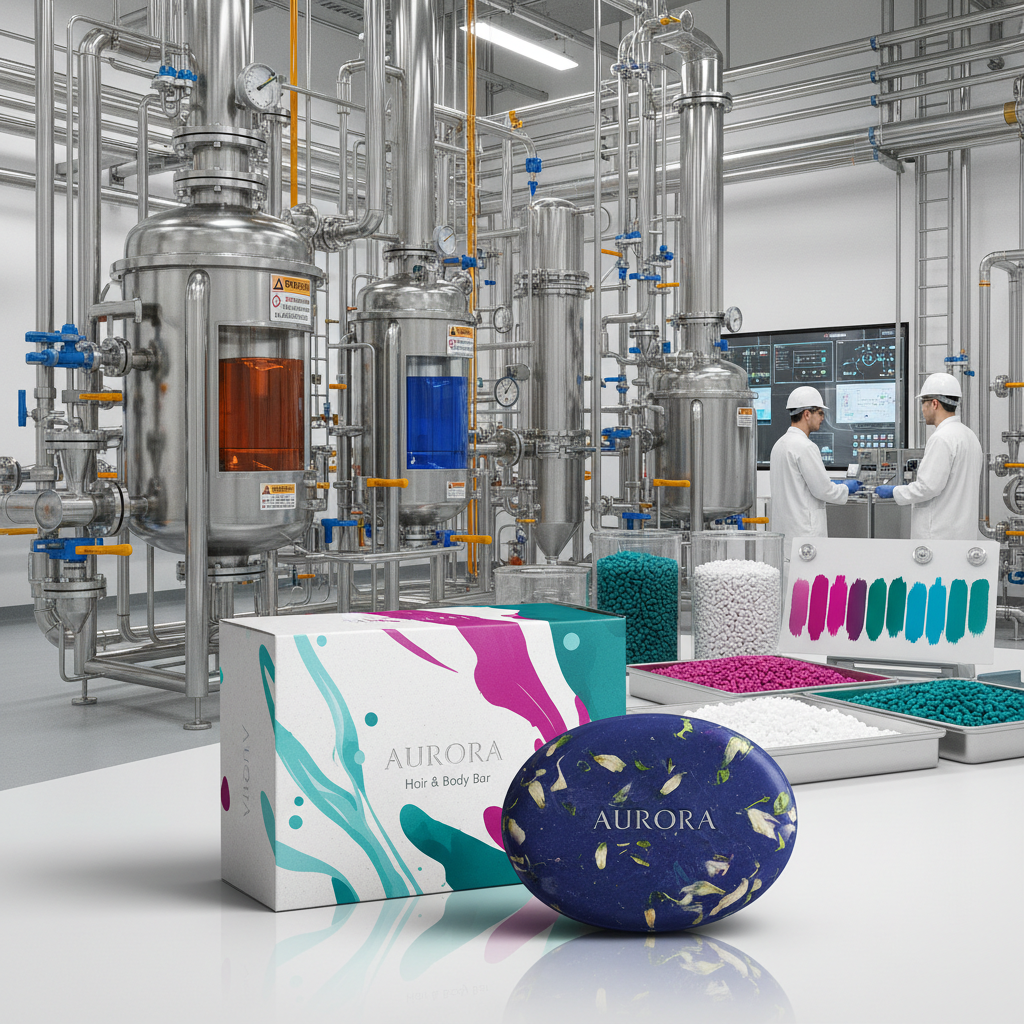
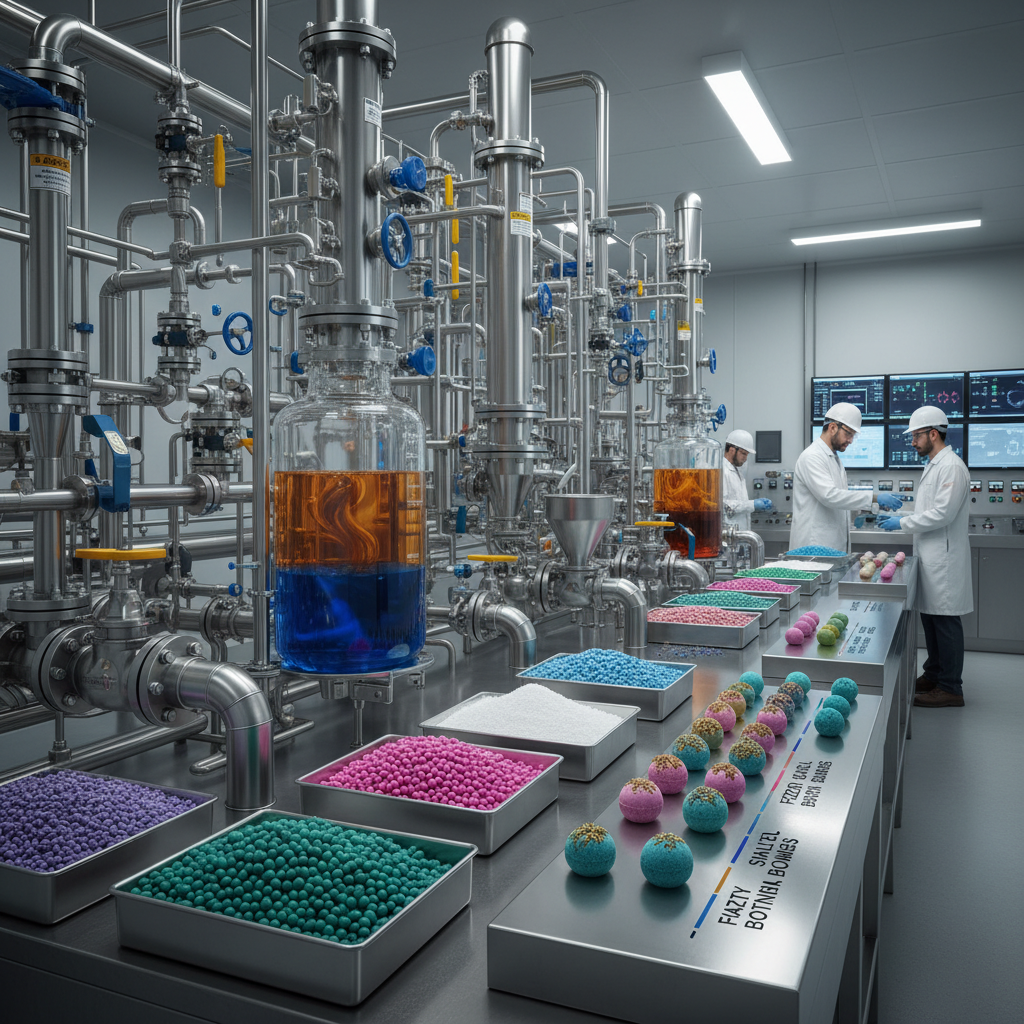
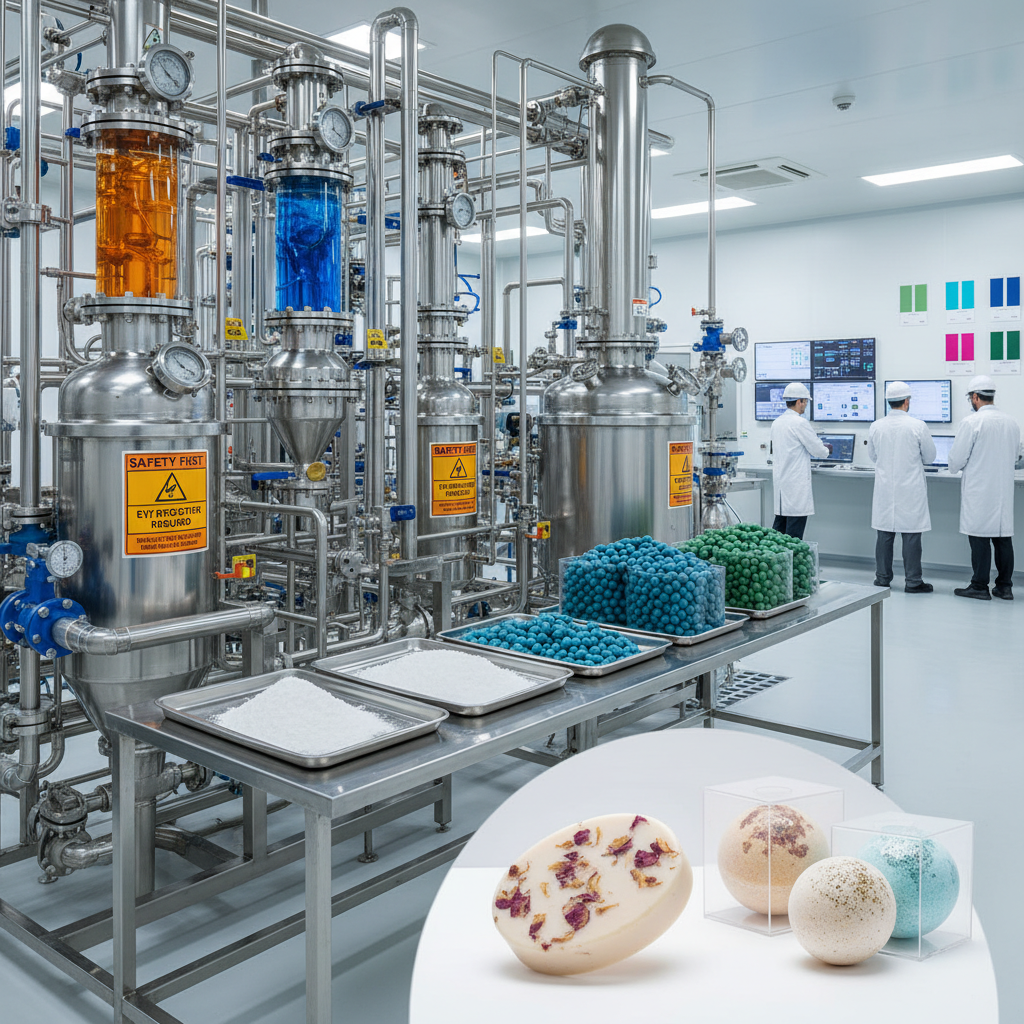
I’m seeing some really interesting developments in the world of solid shampoos and conditioners. Companies are experimenting with different ingredients – shea butter, coconut oil, essential oils – to create formulations that cater to specific hair types and concerns.
There's also a growing focus on sustainable packaging. Some manufacturers are using biodegradable materials or offering refills to further reduce waste. It’s a dynamic market, and I expect to see even more innovation in the years to come.
I’m keeping an eye on the developments in concentrated formulas, that could lead to even smaller, longer-lasting bars. That’s a game-changer for remote site logistics.
Addressing Common Concerns and Challenges
Some guys are hesitant to switch to a solid bar, simply because it’s different. They’re used to liquid shampoo and don’t want to change. Education is key. Showing them how easy it is to use, and highlighting the benefits, can overcome that resistance.
Another concern is that some bars can dry out if not stored properly. A simple soap dish with good drainage can solve that problem. It’s about providing clear instructions and making the transition as seamless as possible.
Finally, sourcing high-quality, durable bars is crucial. We need products that can withstand the rigors of a construction site. That means choosing reputable suppliers and testing the products thoroughly before deploying them on a large scale.
Summary of Hair Soap Bar Implementation Considerations
| Implementation Stage |
Key Considerations |
Potential Challenges |
Mitigation Strategies |
| Initial Trial Phase |
Select a small crew for testing. Gather feedback on usability and effectiveness. |
Resistance to change, initial unfamiliarity with product. |
Provide clear instructions, address concerns directly, emphasize benefits. |
| Supply Chain Integration |
Establish reliable sourcing. Negotiate bulk pricing. Ensure timely delivery. |
Potential for supply chain disruptions, storage limitations. |
Maintain buffer stock, identify alternative suppliers, optimize storage solutions. |
| Worker Education |
Demonstrate proper usage. Explain environmental benefits. Address common questions. |
Lack of engagement, misinformation, skepticism. |
Interactive training sessions, positive reinforcement, peer-to-peer advocacy. |
| Waste Management |
Implement proper disposal procedures. Explore composting options. |
Inadequate waste disposal infrastructure, improper handling. |
Provide designated disposal bins, train workers on proper procedures, partner with waste management providers. |
| Long-Term Monitoring |
Track usage rates. Monitor worker satisfaction. Assess cost savings. |
Difficulty in data collection, inaccurate reporting, lack of follow-up. |
Implement a streamlined data collection system, conduct regular surveys, assign responsibility for monitoring. |
| Supplier Relationship |
Maintain open communication, address quality concerns, explore customized formulations. |
Supplier responsiveness issues, product quality inconsistencies. |
Establish a formal supplier agreement, conduct regular quality audits, explore backup suppliers. |
FAQS
Absolutely. The ones I’ve tested are surprisingly durable. They’re solid, so they can handle being tossed around in a toolbox. Just keep them out of standing water, and they’ll last a good long time. I’ve seen guys using the same bar for weeks, even with daily use. They’re much tougher than you might think.
That’s a good question. There's a lot of variety out there now. Some are specifically formulated for dry hair, others for oily hair. I've seen some with added ingredients like shea butter and coconut oil to provide extra moisture. It's best to read the label and choose one that suits your hair type. Experimenting might be needed.
Upfront, they might seem a little more expensive. But a single bar can easily replace two or three bottles of liquid shampoo. You also save on shipping costs and reduce waste disposal fees. When you factor everything in, they can actually be more cost-effective over the long term, especially for larger crews.
Proper storage is key. You need a soap dish that allows water to drain away. Keep it out of standing water, and don’t leave it soaking wet. A dry, well-ventilated area is best. Simple as that. A little care will make the bar last much longer.
It's a little different than liquid shampoo, but it’s not difficult. You can either rub the bar directly onto your wet hair or lather it up in your hands first. It might take a few tries to get the hang of it, but once you do, you’ll find that they lather up just fine. Some even lather better than liquid shampoos.
Absolutely. Look for certifications like Leaping Bunny (cruelty-free) or certifications indicating sustainable sourcing of ingredients. Also, check for packaging made from recycled materials. It’s a good way to ensure you’re supporting companies that are committed to environmental responsibility. It’s not just about the bar itself, but the entire supply chain.
Conclusion
So, look, I’ve been around the block a few times. And I can tell you, sometimes the simplest solutions are the best. These hair soap bar aren’t just a trendy eco-friendly alternative; they’re a practical, durable, and cost-effective solution for anyone working on a construction site or in demanding environments. They cut down on waste, simplify logistics, and even boost morale. It's a small change that makes a big difference.
I’d encourage everyone to give them a try. Start with a small trial run and see how they work for your crew. I think you’ll be surprised by how much you like them. It's about finding ways to work smarter, not harder, and these bars definitely fall into that category. And if you're looking for a way to reduce your environmental impact, this is a great place to start.