

Sourcing high-quality raw materials is the most critical decision for any personal care brand looking to scale its bath bomb production. The balance between a visually stunning "fizz" and a skin-safe, moisturizing finish depends entirely on the chemical synergy of the base components.
For B2B buyers, the challenge lies in finding a supply chain that offers consistency in purity and regulatory compliance across large volumes. From citric acid stability to the grade of essential oils used, every variable impacts the final shelf life and consumer experience of the product.
This guide examines the technical requirements for sourcing bath bomb ingredients wholesale, focusing on how material selection influences product performance and market viability in the global wellness sector.


At its core, a bath bomb is a controlled chemical reaction. The primary mechanism is the acid-base reaction between sodium bicarbonate (the base) and citric acid (the acid). When these dry powders contact water, they react to release carbon dioxide gas, creating the signature fizzing effect.
The quality of these wholesale ingredients determines the reaction speed and the "visual drama" of the product. Impurities in the citric acid can lead to premature activation or uneven dissolution, while the particle size of the sodium bicarbonate affects how the bomb holds its shape during the pressing process.
Beyond the fizz, the sensory experience is driven by binders and conditioners. Shea butter and natural essential oils are integrated not just for scent, but to provide a lipid barrier on the skin. In high-volume manufacturing, these must be sourced in stable, refined forms to prevent oxidation and rancidity over time.
The structural integrity of the bomb is often managed by the inclusion of fillers like cornstarch or Epsom salts. These materials control the rate of the chemical reaction, ensuring the product doesn't dissolve instantly but provides a sustained aromatic release. The ratio of these fillers to the active effervescent agents is a closely guarded trade secret for most premium brands.
Aromatherapy products require a specific grade of essential oils that are skin-safe and heat-stable. When sourcing in bulk, verifying the purity through GC-MS (Gas Chromatography-Mass Spectrometry) is essential to ensure that no synthetic fillers are present, which could otherwise cause skin irritation or alter the fragrance profile during storage.
Entering the global market requires strict adherence to regional safety regulations. For those exporting to the US and EU, raw materials must not only be effective but also fully documented with Material Safety Data Sheets (MSDS) and certificates of analysis.
Compliance with EU REACH regulations and US FDA standards is non-negotiable; using cruelty-free and skin-safe raw materials is the primary benchmark for B2B trust and long-term market access.
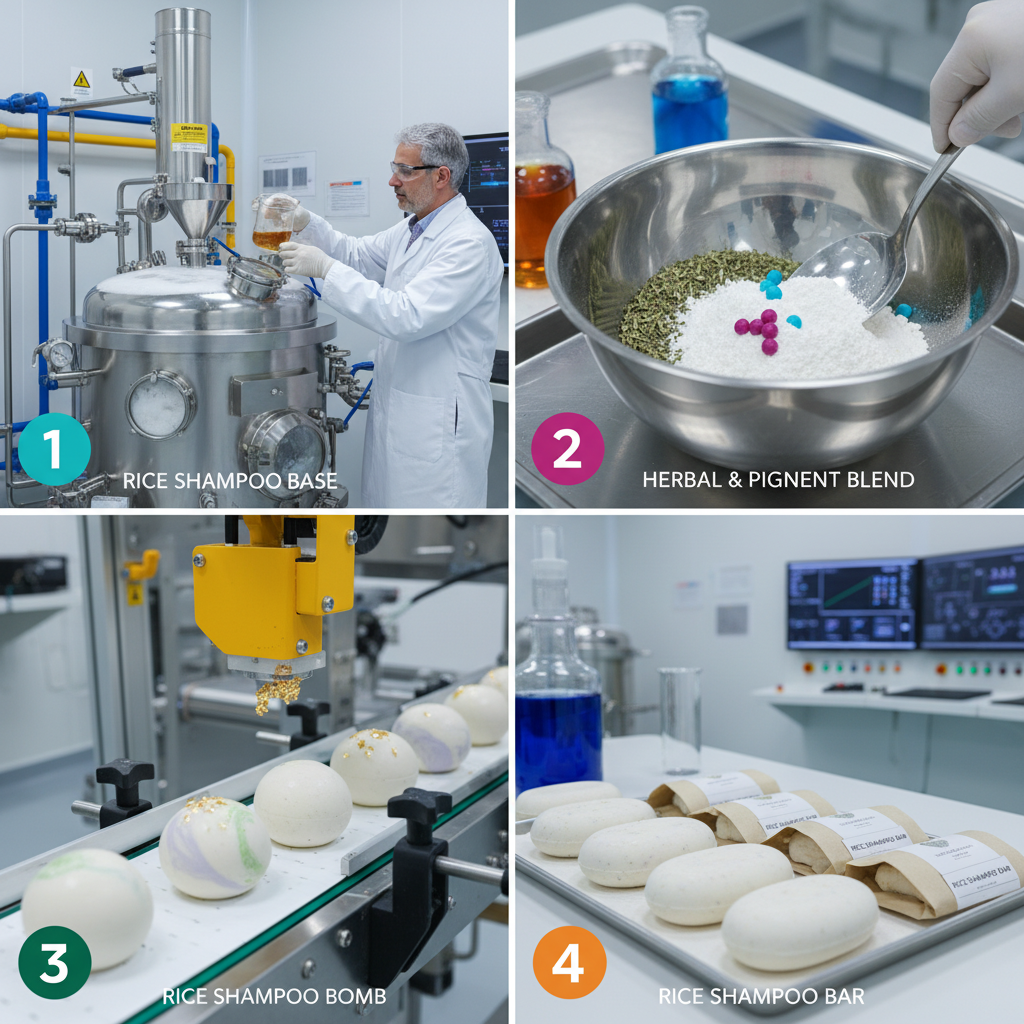
Manufacturers like Hebei Enyu Imp. & Exp. Trade Co., Ltd ensure that their production lines meet GMPC and ISO22716 standards. This level of certification guarantees that the bath bomb ingredients wholesale are handled in a contamination-free environment, reducing the risk of microbial growth in moisture-sensitive products.
To optimize a formula, manufacturers use a qualitative scoring model to evaluate how different ingredient grades impact the final product. This involves measuring the "Fizz Duration," "Scent Throw," and "Skin Feel" against a baseline.
For instance, replacing standard vegetable oils with high-grade shea butter significantly increases the "Moisture Index" but may require a adjustment in the binder ratio to maintain structural hardness. The following chart illustrates the relative impact of key components on these performance metrics.
For enterprises scaling their product lines, the transition from small-batch sourcing to professional B2B wholesale is a pivotal moment. The primary concern shifts from simple ingredient cost to "stability of supply" and "formula consistency." A variation in the purity of citric acid between batches can lead to a high rate of product failure, where bombs either crumble or fail to fizz.
Professional partners provide more than just raw materials; they offer market-specific formula adjustments and private logo customization. This integrated approach allows brands to launch a "Rose Pattern Design" set with a relaxing scent, knowing that the underlying chemistry is optimized for the specific humidity and storage conditions of their target market, supported by complete customs clearance documentation.
Consumer demand is aggressively moving toward "clean beauty," forcing a re-evaluation of traditional bath bomb ingredients. The industry is seeing a decline in synthetic fragrances and a surge in the use of plant-based surfactants and biodegradable glitters.
The challenge for wholesale suppliers is maintaining the effervescent quality while removing controversial additives. This has led to the development of higher-purity organic acids and the adoption of eco-friendly, cruelty-free raw materials that comply with global environmental standards.
Furthermore, the move toward "waterless beauty" has positioned bath bombs and shower steamers as sustainable alternatives to liquid body washes. This shift increases the importance of the powder's stability, as these products must remain inert in packaging but react violently and effectively upon use.
When selecting a wholesale partner, B2B buyers typically weigh three different sourcing models: the "commodity broker," the "specialty ingredient house," and the "full-service manufacturer." Each offers a different trade-off between cost, control, and speed to market.
A commodity broker may offer the lowest price on sodium bicarbonate but lacks the technical expertise to help with formula stability. Conversely, a full-service manufacturer can handle everything from the raw bath bomb ingredients wholesale to the final gift box packaging, reducing the buyer's operational overhead.
The decision framework should be based on the brand's current scale and technical capacity. For those focusing on rapid expansion, the "integrated manufacturing" model provides the most stability, ensuring that every batch meets the same quality threshold required by retailers like Walmart or Sephora.
| Sourcing Model | Cost Efficiency | Quality Control | Speed to Market |
|---|---|---|---|
| Commodity Broker | High (Low Cost) | Low / Variable | Moderate |
| Specialty House | Moderate | High (Pure) | Slow (Custom) |
| Full-Service Mfg | Competitive | Very High | Fast |
| In-House Sourcing | Variable | Total Control | Very Slow |
| Hybrid Model | Moderate | Moderate | Moderate |
| Private Label | Optimized | Standardized | Immediate |
A professional formula primarily consists of sodium bicarbonate (base) and citric acid (acid) to create the fizz. To this, manufacturers add binders like shea butter or coconut oil for skin conditioning, and fillers like Epsom salts or cornstarch to regulate the reaction speed. Finally, cosmetic-grade fragrances or essential oils are added for aromatherapy benefits, along with skin-safe colorants.
Quality verification should involve requesting a Certificate of Analysis (CoA) and an MSDS for every batch. For essential oils, GC-MS reports are essential to ensure purity. Additionally, B2B buyers should perform "stability tests" by monitoring the product's reaction and scent retention under various temperature and humidity levels over 3-6 months.
Industrial-grade materials are produced for general manufacturing and may contain impurities that can cause skin irritation. Cosmetic-grade ingredients undergo stricter purification processes and are certified as skin-safe, meeting regulatory standards like EU REACH or FDA. For any product applied to the body, only cosmetic-grade raw materials should be used to ensure consumer safety.
Yes, professional B2B suppliers offer market-specific formula adjustments. For example, a product for the European market may require specific allergen labeling and adherence to REACH regulations, while a luxury line may prioritize higher concentrations of organic shea butter and rare essential oils to justify a premium price point.
The primary threat to shelf life is moisture and oxidation. Using high-purity acids and bases reduces the risk of premature reaction. Additionally, using stable, refined lipids (like shea butter) and adding natural antioxidants can prevent the oils from going rancid. Proper packaging and the use of moisture-absorbing fillers also play a critical role in extending longevity.
Many brands are shifting from synthetic fillers to biodegradable options like arrowroot powder, kaolin clay, or organic cornstarch. These provide the same structural support and reaction-slowing properties while being more environmentally friendly and often providing additional skin-soothing benefits, such as the detoxifying properties of clay.
The success of a bath care brand is fundamentally tied to the quality of its raw materials. Moving beyond simple sourcing to a technical partnership allows manufacturers to optimize not just the cost, but the sensory and safety profiles of their products.
By focusing on regulatory compliance, purity verification, and sustainable innovation, B2B buyers can ensure their products stand out in a competitive global market. Choosing a partner with a proven track record in GMP-certified production is the most reliable path to long-term scalability and consumer trust.