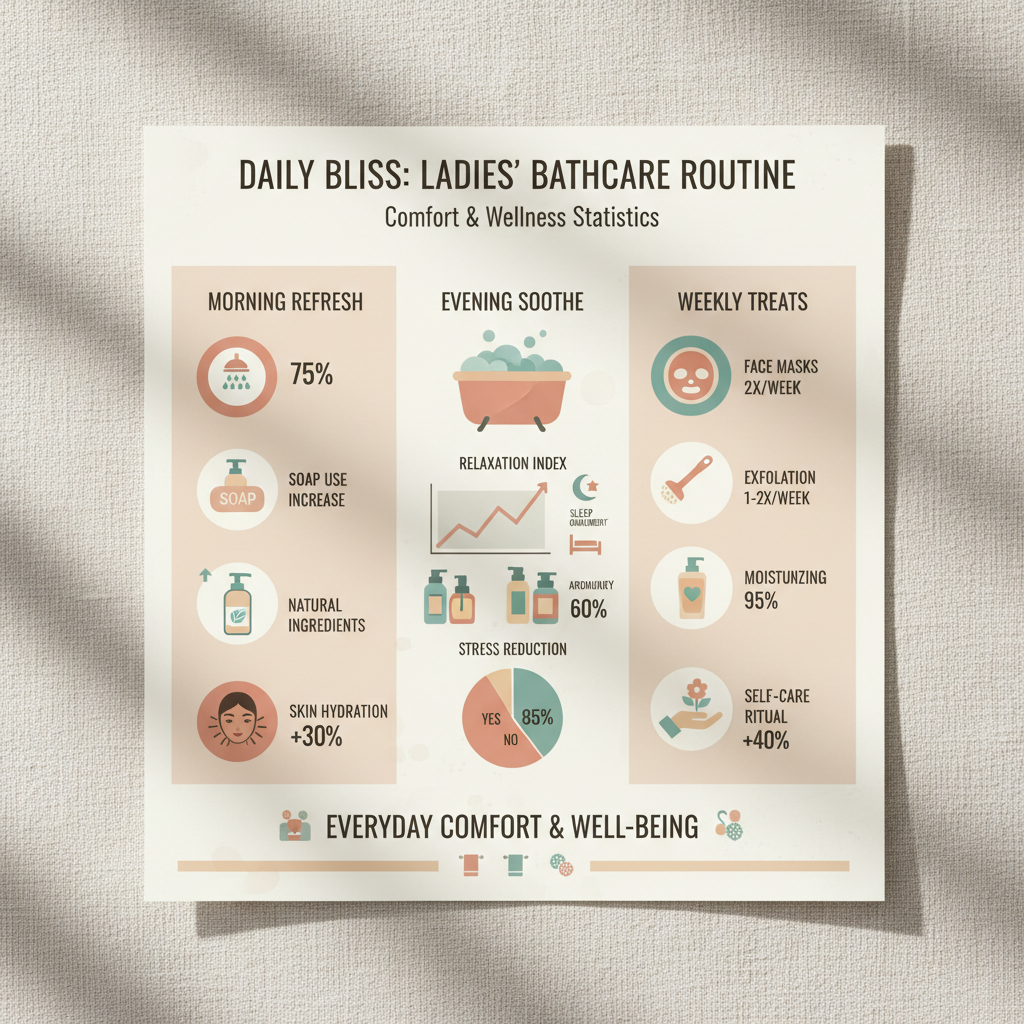


Bath items for women represent more than just personal hygiene; they embody self-care, wellness, and a commitment to holistic health. From luxurious bath bombs and nourishing oils to soothing scrubs and aromatic candles, these products play a vital role in modern routines. Understanding the nuances of these items – their ingredients, benefits, and applications – is increasingly important in a world that often prioritizes speed and efficiency over mindful relaxation. A thoughtful approach to bath items for women acknowledges the unique physiological and emotional needs of individuals, fostering a sense of well-being and empowerment.
The global market for bath and body products is experiencing significant growth, driven by rising disposable incomes, increasing awareness of personal care, and a growing trend toward natural and organic ingredients. According to Statista, the global bath and shower market was valued at approximately $22.85 billion in 2023 and is projected to reach $27.11 billion by 2029. This expansion is particularly noticeable in emerging economies, where a burgeoning middle class is adopting more sophisticated self-care practices. This demand highlights the importance of accessible and high-quality bath items for women worldwide.
However, a challenge remains in ensuring the sustainability and ethical sourcing of ingredients used in these products. Concerns over environmental impact and fair labor practices are prompting consumers to demand greater transparency from brands. The increasing focus on inclusivity and catering to diverse skin types and preferences also requires continuous innovation and adaptation within the industry.
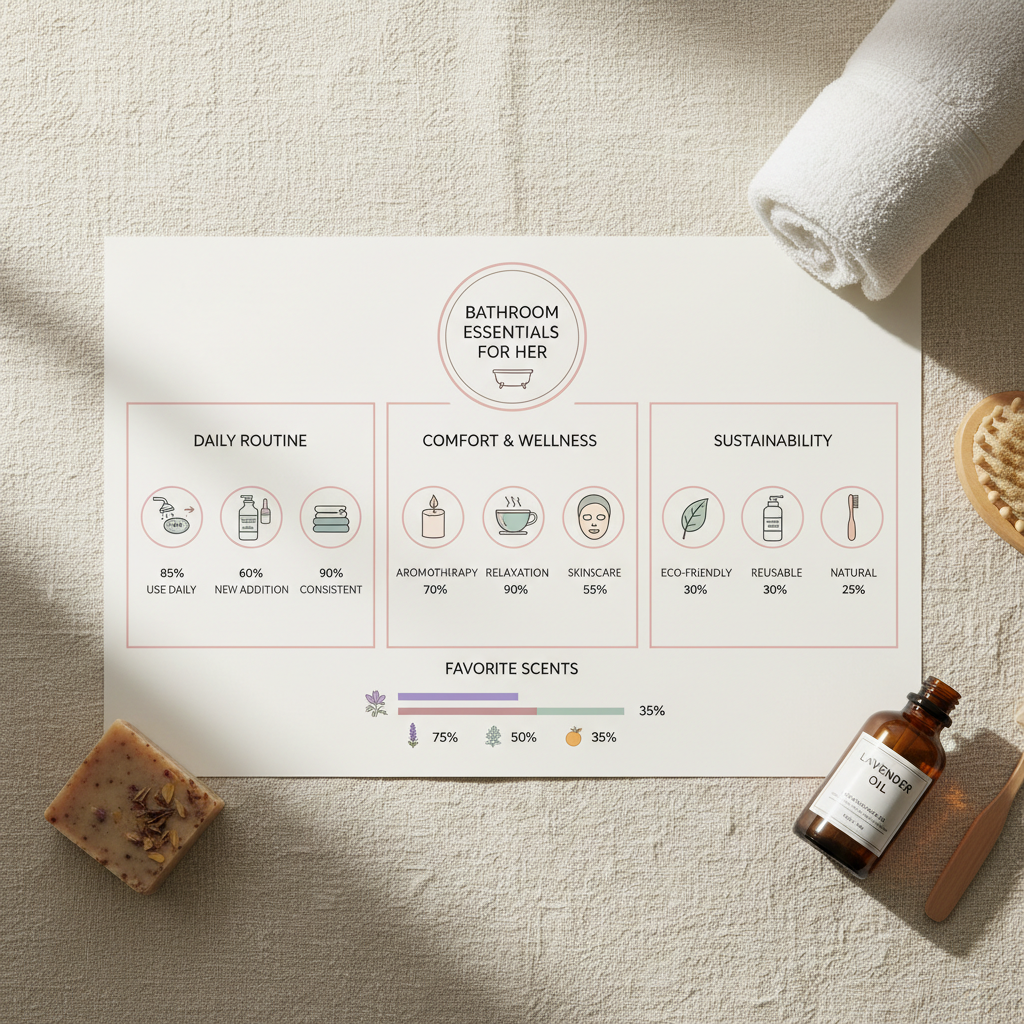
Bath items for women encompass a wide range of products designed to enhance the bathing experience and promote overall well-being. These include everything from basic soaps and shampoos to more indulgent items like bubble baths, bath salts, body scrubs, lotions, and essential oils. The focus is on creating a ritual of self-care that provides both physical cleansing and emotional relaxation.
The demand for these products is fueled by a growing recognition of the importance of mental and physical health, as well as a desire for small luxuries that can elevate everyday routines. Women are increasingly seeking products that are not only effective but also ethically sourced, environmentally friendly, and tailored to their individual needs and preferences.
Bath bombs are solid mixtures of ingredients like essential oils, salts, and baking soda that dissolve in water, releasing fragrance and color. They often contain moisturizing ingredients. Bubble baths, on the other hand, are liquid detergents designed to create a foamy lather. While both enhance the bathing experience, bath bombs offer a more immersive sensory experience and often provide skin benefits, while bubble baths primarily focus on creating bubbles.
Essential oils can be incredibly beneficial in the bath, offering aromatherapy benefits like relaxation and stress relief. However, it's crucial to use them safely. Always dilute essential oils in a carrier oil (like almond or jojoba oil) before adding them to bathwater, as undiluted oils can irritate the skin. Avoid using citrus oils if you'll be exposed to sunlight immediately after, and be cautious if you have allergies or sensitivities.
When choosing bath products for sensitive skin, look for formulas labeled "fragrance-free," "hypoallergenic," and "dermatologist-tested." Avoid products containing harsh chemicals, sulfates, parabens, and artificial colors. Opt for ingredients known for their soothing properties, such as chamomile, aloe vera, and colloidal oatmeal. Always patch-test a new product on a small area of skin before using it all over.
The shelf life of bath products varies. Soaps and body washes generally last 1-2 years. Bath bombs and bubble baths may become less effective over time, typically lasting 6-12 months. Oils and lotions can last 1-3 years if stored properly (cool, dark place). Always check the packaging for specific expiry dates and discard products if they change color, texture, or smell.
Absolutely! Many eco-friendly alternatives are available. Look for products packaged in recyclable or biodegradable materials. Choose brands that use sustainably sourced ingredients and minimize water usage in their production processes. Solid shampoo and conditioner bars are a great way to reduce plastic waste. You can also create your own bath products using natural ingredients like oatmeal, baking soda, and essential oils.
The frequency of exfoliation depends on your skin type. Those with dry or sensitive skin should exfoliate once a week or less, while those with normal to oily skin can exfoliate 2-3 times a week. Over-exfoliating can lead to irritation and damage, so it’s important to listen to your skin and adjust accordingly. Choose gentle exfoliants and avoid harsh scrubbing.
In conclusion, bath items for women are much more than just cleansing agents; they are integral components of self-care rituals that contribute to physical, emotional, and mental well-being. From the global relevance of hygiene and dignity to the growing demand for sustainable and personalized products, the industry continues to evolve and innovate. Understanding the key components of quality bath products, their diverse applications, and the emerging trends shaping their future is crucial for both consumers and industry professionals.
Looking ahead, the continued emphasis on natural ingredients, sustainable practices, and personalized experiences will drive further innovation in the bath and body market. By prioritizing quality, ethical sourcing, and a holistic approach to self-care, we can unlock the full potential of bath items for women and empower individuals to prioritize their well-being. Visit our website at www.enyubodycare.com to explore a curated selection of high-quality bath essentials.