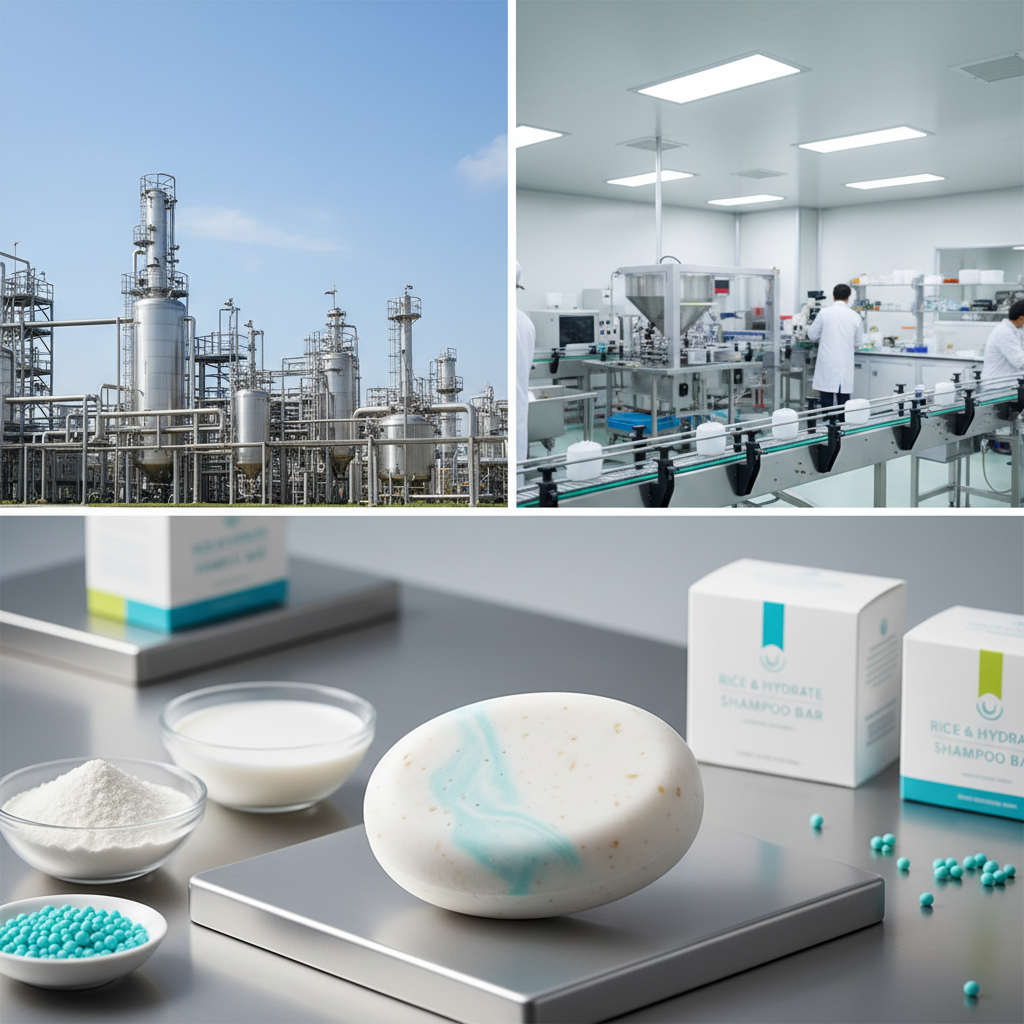
The concept of shampoo bar volume has become a pivotal point of discussion within the global sustainable beauty movement. As consumers shift away from plastic-heavy liquid detergents, understanding the concentration and physical dimensions of solid hair care options allows users to maximize value while minimizing environmental impact. By focusing on the density and longevity of these products, the industry is redefining how we perceive product quantity and efficacy in the modern bathroom.
From a manufacturing perspective, optimizing shampoo bar volume is not merely about size, but about the ratio of active ingredients to binders. This ensures that a compact solid form can replace multiple plastic bottles of liquid shampoo without sacrificing the luxurious lather or the nourishing properties required for various hair types. The transition to concentrated solids reflects a broader industrial shift toward efficiency and waste reduction across the personal care sector.
Ultimately, the goal is to provide a professional-grade experience that balances convenience with conscience. Whether you are a retail buyer or a daily user, evaluating the shampoo bar volume helps in determining the cost-per-wash and the overall sustainability footprint of your grooming routine.
Global Relevance of Shampoo Bar Volume
On a global scale, the shift toward solid cosmetics is driven by a critical need to reduce single-use plastics. Standard liquid shampoos are often composed of up to 80% water, meaning the actual "volume" of the product delivered to the consumer is largely filler. By removing water, manufacturers can compress the active cleansing agents into a dense bar, significantly reducing the carbon footprint associated with shipping and packaging.
This industrial evolution aligns with international sustainability goals and ISO standards for environmental management. As wellness markets in the US, UK, and Europe demand higher transparency, the focus has shifted toward how much actual value—measured by the number of uses—is contained within a specific shampoo bar volume, rather than the size of the plastic bottle.
Defining the Metrics of Solid Hair Care
In simple terms, shampoo bar volume refers to the total physical space a solid hair care product occupies, but in a commercial context, it is more accurately viewed as "effective volume." This encompasses the weight of the bar—such as our standard 100g packages—and how that mass translates into the number of washes provided compared to traditional liquid alternatives.
Connecting this to modern industry needs, the focus is on concentration. A high-quality bar utilizes organic coconut oil and plant-based surfactants to ensure that a small physical volume provides a high-performance cleanse. This allows for easier transport, lower storage costs for retailers, and a more portable experience for the end-user, especially during travel.
Furthermore, the definition of volume in solid bars is tied to the "dissolve rate." A bar with a well-calculated density will resist melting too quickly in the shower, ensuring that the volume is consumed evenly over time. This technical balance is what separates professional-grade manufacturing from artisanal batches that may disappear too rapidly.
Core Components Influencing Product Density
The durability of a solid cleanser is heavily dependent on its formulation. When calculating the optimal shampoo bar volume, engineers must balance the ratio of surfactants to hardening agents. The use of pure plant essential oils provides the necessary aromatic experience without compromising the structural integrity of the bar.
Cost efficiency is achieved when the shampoo bar volume is maximized for performance rather than just size. By incorporating organic coconut oil, manufacturers can create a moisturizing effect that softens the skin and hair, ensuring that the user requires less product per wash, thereby extending the life of the bar.
Scalability in production requires strict quality control to maintain a consistent texture. Whether producing single packs or luxury gift sets, maintaining a stable volume ensures that the branding remains consistent and the consumer receives exactly what is promised on the packaging, which is essential for repeat purchases in competitive markets.
Practical Applications in Wellness Markets
In real-world contexts, the efficiency of a solid bar's volume is highly valued in the travel and hospitality industries. Boutique hotels and eco-resorts are increasingly replacing miniature plastic bottles with compact solid bars. This transition significantly reduces the volume of waste generated daily, aligning the business operations with global "zero-waste" trends.
Furthermore, for Amazon retailers and private-label brands, the physical dimensions and weight of the product directly impact shipping costs. A streamlined shampoo bar volume allows for smaller, lighter packaging, which reduces the "dimensional weight" charges from logistics providers, ultimately lowering the price for the consumer while maintaining healthy profit margins.
Performance Analysis by Shampoo Bar Volume Method
Economic Advantages of Concentrated Volume
The primary economic advantage of optimizing shampoo bar volume lies in the reduction of overhead costs. Because these products are anhydrous (waterless), they are lighter and more stable, reducing the need for expensive preservatives and bulky plastic containers. This allows manufacturers to invest more into high-quality ingredients, such as pure plant essential oils, without increasing the final retail price.
For the consumer, the long-term value is found in the "cost-per-wash." A single 100g bar often replaces two to three standard bottles of liquid shampoo. This logic creates a powerful psychological shift, where the consumer perceives the smaller physical volume as a more potent and valuable product, fostering brand loyalty and increasing the lifetime value of the customer.
Future Trends in Solid Formulation
The future of the industry is moving toward "smart volume," where the density of the bar is tailored to specific hair needs. We anticipate the rise of multi-layered bars where different volumes of specific ingredients—such as scalp-stimulating oils at the base and conditioning agents at the top—are combined into a single unit. This digital transformation in formulation allows for a more personalized user experience.
Sustainability will continue to drive innovation, with a shift toward fully biodegradable, zero-plastic packaging that complements the compact nature of the product. Automation in the pressing process will allow for more precise volume control, ensuring that every bar produced globally meets the exact weight and dimension specifications required for international export.
Moreover, we expect to see an increase in "hybrid volume" products, where the solid bar is designed to be used with specialized accessories, such as massaging brushes, to further reduce the amount of product needed per application, thereby extending the usable life of the bar even further.
Challenges in Volume Standardization
One of the most significant challenges in the industry is the lack of a universal standard for shampoo bar volume. Unlike liquid shampoos, which are measured in milliliters, solid bars are measured in grams, but the "wash-equivalent" varies wildly between brands. This can lead to consumer confusion regarding the actual value they are purchasing.
Another limitation is the "shelf-life vs. volume" paradox. Increasing the volume of moisturizing oils can improve the skin-softening effect but may lead to a softer bar that dissolves too quickly. Overcoming this requires advanced chemical engineering to maintain a firm structure without using synthetic waxes that could clog the hair follicles.
The solution lies in rigorous quality control and the adoption of transparent labeling. By providing clear guidelines on how to store the bar (e.g., using a draining soap dish) to preserve its volume, brands can ensure a consistent experience across different climates and usage habits.
Analysis of Volume Standards Across Different Product Lines
| Product Line |
Standard Volume (g) |
Est. Wash Count |
Durability Score |
| Daily Care Bar |
100g |
80-100 |
8/10 |
| Luxury Spa Bar |
120g |
100-120 |
9/10 |
| Travel Mini |
40g |
30-40 |
7/10 |
| Intense Moisturizing |
100g |
60-80 |
6/10 |
| Scalp Detox Bar |
90g |
70-90 |
8/10 |
| Seasonal Edition |
100g |
80-100 |
8/10 |
FAQS
A typical 100g shampoo bar is highly concentrated, often replacing 2 to 3 bottles of 250ml liquid shampoo. Because the water is removed, the actual volume of active cleansing agents is much higher per cubic centimeter, providing significantly more washes in a smaller physical package.
Not necessarily. Longevity depends more on the density and the dissolve rate than the raw volume. A larger bar with a high percentage of soft oils may dissolve faster than a smaller, more densely compressed bar with a balanced surfactant-to-binder ratio.
The best way to preserve the volume of your bar is to keep it dry between uses. Use a draining soap dish or a slotted holder that allows air to circulate around the bar. Avoiding standing water prevents the bar from softening and eroding prematurely.
The physical volume does not affect the lather, but the concentration within that volume does. High-quality bars use organic coconut oil and plant essential oils to ensure a rich, creamy foam regardless of the bar's size, provided the formula is professionally balanced.
Yes, the reduced volume and weight significantly lower shipping costs and the carbon footprint. For retailers, this means more units can be shipped in a single container compared to bulky liquid bottles, making the supply chain more sustainable and cost-effective.
Absolutely. Many manufacturers offer custom weight and dimension options to fit specific branding or packaging needs. Whether you need a 50g travel size or a 150g luxury bar, volume can be adjusted while maintaining consistent quality control.
Conclusion
Understanding the intricacies of shampoo bar volume reveals a profound shift in how we approach personal care—moving from the illusion of quantity in liquid form to the reality of efficiency in solid form. By balancing density, durability, and high-quality organic ingredients, the industry is providing a solution that is economically viable for businesses and environmentally responsible for consumers.
As we look toward a future of zero-waste beauty, the optimization of product volume will remain a cornerstone of innovation. We encourage brands and consumers alike to prioritize concentrated, high-performance formulas that deliver luxury without waste. For professional-grade solid hair and bath care solutions, visit our website: www.enyubathcare.com