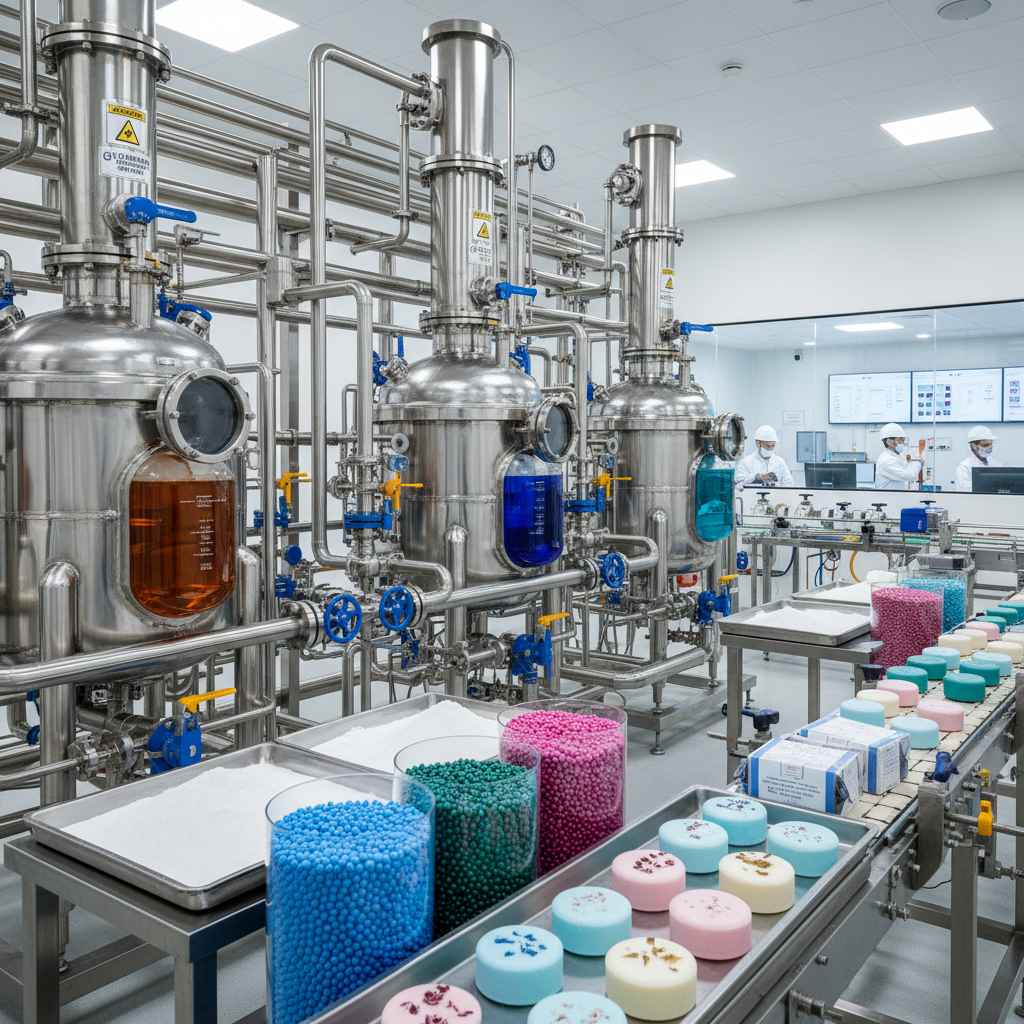


Developing a custom shampoo bar requires a precise balance between chemical stability and user experience, especially within the professional personal care manufacturing sector. For brands looking to transition from liquid formulas to solid formats, the shift represents more than just a packaging change; it is a complete reformulation of surfactant systems to ensure effective cleansing without compromising hair health.
The primary challenge for B2B buyers and brand owners lies in achieving consistent lather, pH balance, and structural integrity in a waterless format. Many struggle with "mushiness" or insufficient cleansing power, which can damage brand reputation. Addressing these technical hurdles requires a partnership with a manufacturer capable of iterative R&D and strict quality control.
This analysis provides a comprehensive framework for navigating the production of custom shampoo bars, covering formulation variables, manufacturing standards, and the key criteria for selecting a production partner to ensure a market-ready, high-performance product.

Core Formulation Components and Logic

A professional custom shampoo bar is built upon a synergy of surfactants, conditioning agents, and structural stabilizers. Unlike traditional soap, modern shampoo bars often utilize syndets (synthetic detergents) to maintain a skin-compatible pH level, preventing the cuticle lift and frizz associated with high-pH alkaline soaps. The core logic focuses on creating a concentrated active matrix that remains stable in a solid state but disperses rapidly upon contact with water.
Key ingredients typically include sodium cocoyl isethionate (SCI) for gentle foaming, stearic acid for hardness, and various botanical oils for moisture. The integration of these components must be meticulously calculated to prevent the bar from becoming too soft or too brittle, ensuring a consistent usage experience from the first wash to the last.
Customization Variables for Brand Differentiation
To stand out in the saturated personal care market, brands must leverage specific customization variables that align with their target demographic. This extends beyond simple scent changes to include functional additives and aesthetic modifications that communicate product value instantly to the consumer.
Customization typically focuses on four primary dimensions: aromatic profiles (ranging from floral notes like jasmine and rose to plant-based eucalyptus), visual identity through safe colorants, active botanical infusions (such as aloe vera extract or argan oil), and packaging formats. By adjusting the ratio of oils to surfactants, manufacturers can tailor the bar for specific hair types, such as oily, dry, or color-treated hair, providing a targeted solution rather than a generic product.
Manufacturing Processes: Melt and Pour vs. Cold Process
The choice of manufacturing method fundamentally alters the product's molecular structure and shelf life. Melt and Pour (M&P) involves heating a pre-made base and adding custom elements; it is efficient for rapid prototyping and smaller batches, offering high transparency and ease of molding. However, it provides less control over the core chemical composition.
In contrast, a full-scale industrial formulation process involves precise blending of raw materials under controlled temperatures. This allows for the optimization of the "hard-to-foam" ratio and the integration of heat-sensitive active ingredients. For large-scale B2B production, professional facilities utilize specialized workshops and production lines to ensure that every batch meets a standardized density and pH profile, which is critical for private label consistency.
Evaluation Metrics for Solid Hair Care Performance
Measuring the success of a custom shampoo bar requires a quantitative approach to performance. Manufacturers use a set of normalized indices to evaluate how a bar performs against industry benchmarks. These metrics focus on the user's sensory experience and the product's physical durability during its lifecycle.
The chart above illustrates a conceptual performance index across five critical dimensions. Lather Density and pH Stability are typically the highest priorities for consumer satisfaction, while Erosion Rate (how quickly the bar disappears) directly impacts the perceived value and cost-per-use for the end customer.
Compliance and Quality Assurance Standards
In the fine chemical and personal care industry, compliance is non-negotiable. A professional production environment must adhere to international standards to ensure consumer safety and facilitate global distribution. This includes the implementation of Good Manufacturing Practices (GMP) to prevent cross-contamination and ensure batch-to-batch reproducibility.
Key certifications such as ISO 22716 and GMPC provide a framework for documentation and quality control. Furthermore, Safety Data Sheets (SDS) and MSDS documentation are essential for the transport and retail of custom shampoo bars, as they detail the chemical properties and safety handling of the surfactants and essential oils used in the formulation.
Common Production Pitfalls and Mitigations
One of the most frequent issues in solid shampoo production is "sweating" or the appearance of beads on the surface, often caused by incorrect glycerin levels or humidity during the curing process. Another critical failure is the "soap scum" effect, which occurs when the pH is too high, causing minerals in hard water to bind to the surfactants and leave a residue on the hair.
Mitigation strategies involve the use of chelating agents and the precise adjustment of fatty acid chains to improve solubility. Additionally, optimizing the curing environment—controlling temperature and airflow—prevents premature oxidation of essential oils and ensures the bar achieves the necessary hardness for commercial shipping and handling.
Supplier Selection Decision Framework
When selecting a manufacturing partner for custom shampoo bars, buyers should move beyond price-per-unit and evaluate the supplier's technical infrastructure and R&D capabilities. The ability to provide OEM and ODM services indicates a flexible manufacturing setup that can accommodate specific brand requirements.
| Supplier Type | R&D Capability | Quality Control | Best For |
|---|---|---|---|
| Small Artisan | Low (Fixed Recipes) | Manual/Variable | Micro-batches/Local |
| Mid-size Lab | Medium (Basic Mods) | Batch Testing | Niche Brand Launch |
| Industrial OEM | High (Custom Form) | GMP/ISO Certified | Scale-up/Global Retail |
| White Label | None (Standard) | Standardized | Rapid Entry/Low Budget |
| Specialized Chem | Expert (Technical) | Strict Analytical | Medical/High-End Care |
| Hybrid Producer | Flexible (Iterative) | Integrated QC | Growth-stage Brands |
For enterprises targeting major retailers like Walmart or Sephora, an industrial OEM partner with GMPC and FDA-aligned processes is essential to meet the rigorous audit and quality requirements of these global distribution channels.
Frequently Asked Questions
The ideal pH should typically range between 4.5 and 5.5, which aligns with the natural pH of the scalp and hair cuticle. This prevents the hair from becoming rough or frizzy, a common issue with high-pH traditional soaps.
Durability is controlled by adjusting the ratio of hard fats (like stearic acid) to liquid oils and surfactants. Increasing the structural stabilizers ensures the bar maintains its shape and resists erosion during use.
Yes, extracts such as aloe vera, argan oil, or jojoba oil can be integrated. However, these must be added at specific temperatures during the production process to prevent degradation of the active compounds.
Soap bars are made through saponification of fats with an alkali, resulting in a high pH. Syndet bars use synthetic detergents (like SCI), allowing for a pH-balanced formula that is gentler on the hair.
Look for GMPC, ISO 22716, and FDA compliance. These certifications ensure that the facility follows strict hygiene, documentation, and safety standards required for cosmetics production.
Typically, well-formulated shampoo bars have a shelf life of 12 to 24 months, provided they are stored in a cool, dry place and formulated with appropriate antioxidants to prevent oil rancidity.
Conclusion
The successful launch of a custom shampoo bar depends on the intersection of chemical expertise, manufacturing precision, and strategic brand differentiation. By focusing on pH stability, structural integrity, and compliance with international quality standards, brands can provide a high-performance, sustainable alternative to liquid hair care that meets the expectations of modern consumers.
For businesses seeking professional production and R&D support in the personal care sector, reviewing technical capabilities at www.enyubathcare.com can provide a foundation for developing market-competitive solid hair care solutions.