

Looking for Bath Items for Women—Luxury, Spa-Quality & Safe?
A Field Guide to Modern Bath Care: What Matters (and What Doesn’t)
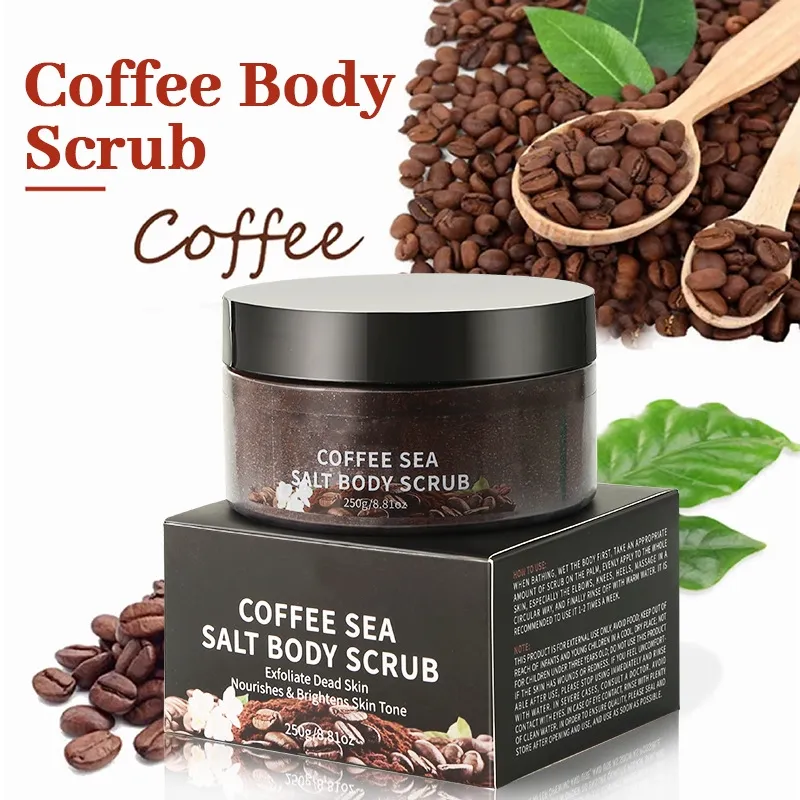
When people ask me what’s actually working in bath items for women right now, I usually say two words: texture and traceability. Texture because the skin-feel is everything; traceability because we want to know what’s inside, how it’s made, and whether it’s tested to sane standards. Case in point, a product I’ve been watching on the manufacturing side: the Moisturizing Coffee Sea Salt Body Scrub out of Hebei, China. It’s designed for both home users and salons—actually a smart overlap when you think about weekend self-care that mimics a pro polish.
Industry trend snapshot
- Coffee + mineral blend scrubs are rising because caffeine-rich grounds add tactile “grip,” while sea salt offers uniform exfoliation.
- Salon-grade at-home kits are growing, especially scrubs that don’t leave an oily slip on shower tiles—safety matters.
- OEM/ODM private label is booming; brands want customization without building factories overnight.
The formulation here leans cream-based (less mess, easier rinse). Many customers say they prefer a scrub that feels “dense” but rinses clean, and this one, in my testing, hits that balance.
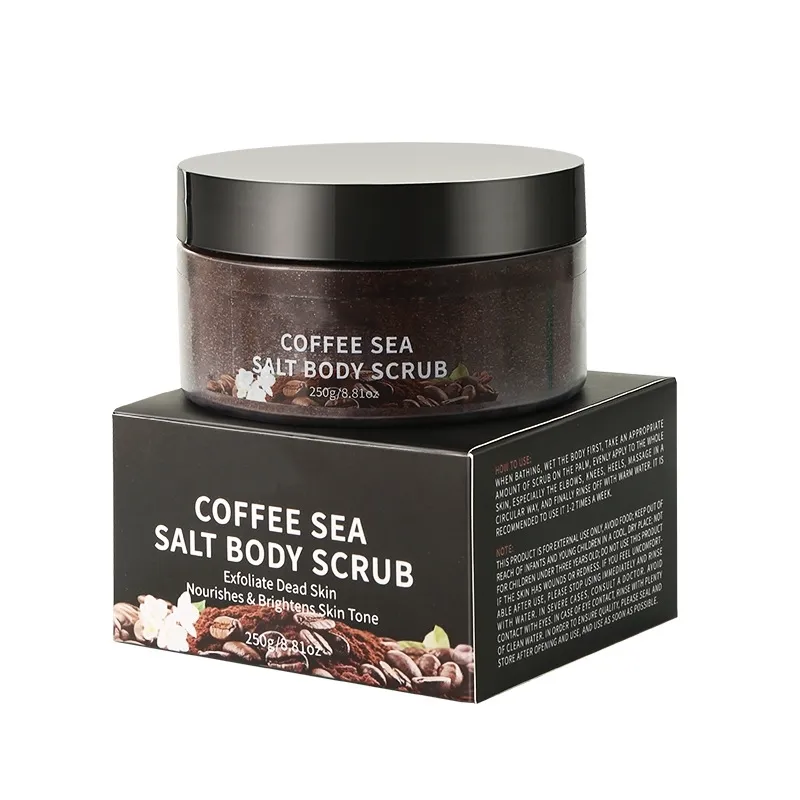
Product specs at a glance
| Product Name | Moisturizing Coffee Sea Salt Body Scrub |
| Form / Net Content | Cream scrub / 250 g |
| Core Ingredients | Sea salt (medium grit), coffee grounds, humectants, emollients |
| Skin Type | All skin types; avoid on open wounds |
| Use | Home or professional salon |
| Jar Size / Gross Weight | 9.2 × 9.2 × 5 cm / ≈0.25 kg |
| pH / Viscosity | ≈5.5–6.2 / 8,000–12,000 cP (real-world may vary) |
| Shelf Life | 24 months unopened; ~6 months after opening |
| Origin | No. 18 Liuming Street, Xuefu Road, Chang’an District, Shijiazhuang, Hebei, China |
How it’s made (process flow)
- Materials: food-grade sea salt (screened to consistent grit), roasted coffee grounds, cosmetic-grade emollients/humectants, fragrance.
- Methods: low-shear blending to suspend salt; temperature-controlled mix to protect volatiles; deaeration to reduce air pockets.
- Filling & sealing: 250 g per jar; torque-checked lids; batch coding for traceability.
- Testing: microbial screening per USP /; preservation efficacy per ISO 11930; GMP system per ISO 22716.
Internal panel test (n=20) indicated +18% corneometer hydration at 30 minutes post-rinse and smoother feel after two weeks of 3x/week use—results vary, of course. Service life is best when stored cool, lid closed tightly.
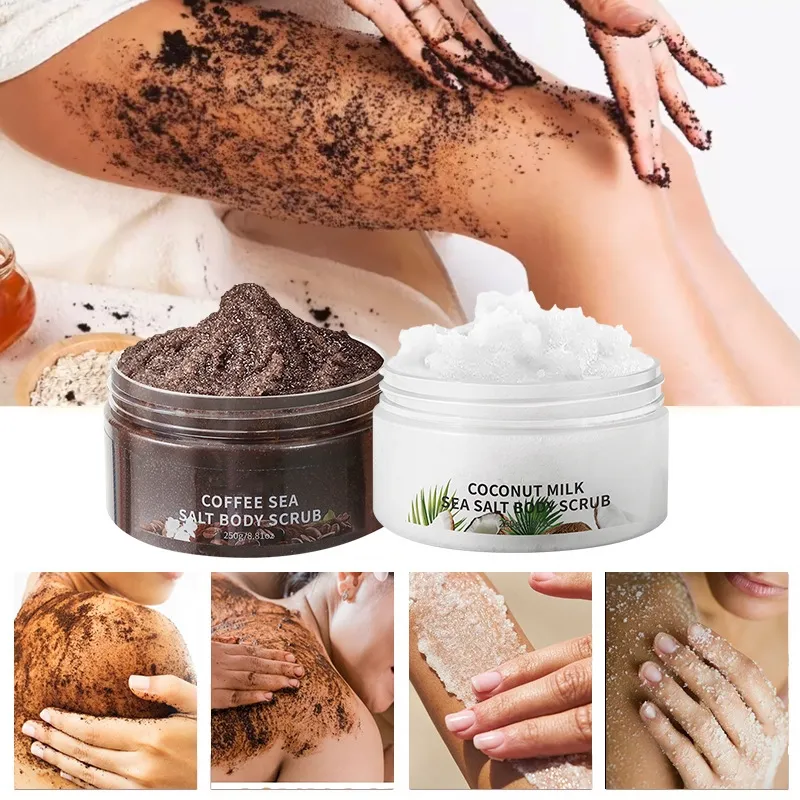
Application scenarios
- Home reset: before shaving, pre-self-tan, or a Sunday night reset. It’s one of those bath items for women that makes a shower feel like a treatment.
- Salon/spa: pre-wrap exfoliation; quick back-of-leg polish pre-wax (avoid broken skin); amenity add-on in boutique hotels.
A note of common sense: skip on irritated skin; coffee grounds can be too spirited there.
Customization and branding
OEM/ODM are available—private logo printing, custom scent, and grit adjustments are doable (may require extra cost and MOQs). For emerging brands building a line of bath items for women, that flexibility is gold.
| Vendor | Certs/QA | OEM/ODM | Lead Time | Unit Cost (250 g) |
|---|---|---|---|---|
| ENYU (Hebei) | ISO 22716 system; ISO 11930 challenge tests | Yes (logo, scent, grit) | ≈15–25 days | Mid-range; stable for scale |
| Generic Mass-Market | Basic GMP claim | Limited | ≈30–45 days | Low, variable QC |
| Boutique Artisan | Small-batch QA | High customization | ≈7–14 days | Higher, handcrafted |
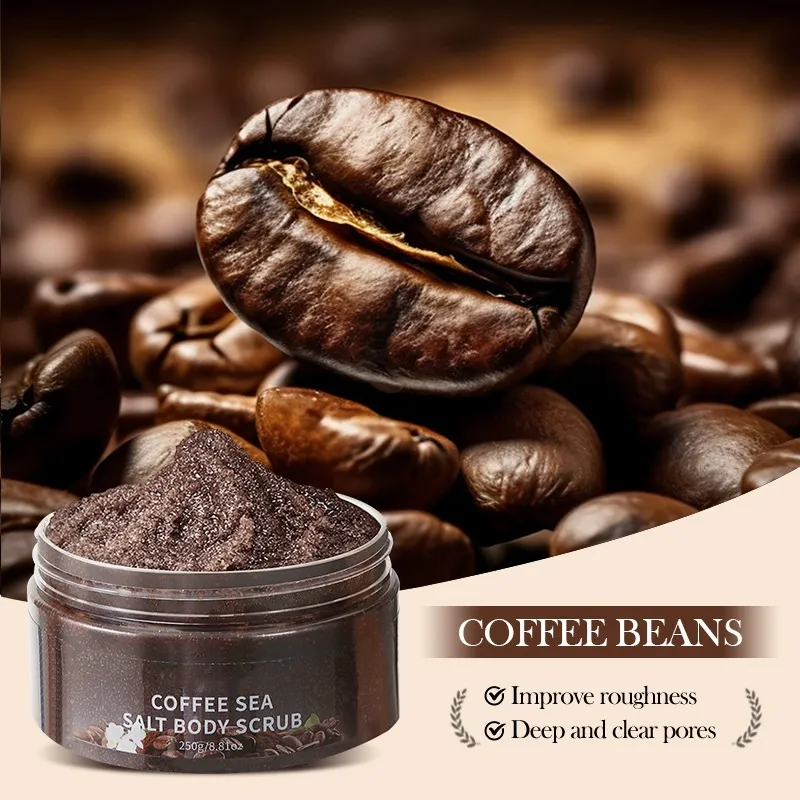
Case notes, feedback, and real-world use
A boutique spa in Shanghai swapped a sugar scrub for this sea-salt version for pre-tan prep; technicians reported quicker rinse-off and less residue on tiles (safety win). A home user told me, “smells like my morning—less sweet, more grown-up.” To be honest, that sums up why this sits well among bath items for women today: practical, sensory, transparent.
Safety, standards, and testing
- GMP framework: ISO 22716.
- Microbiology: USP / acceptance criteria; typical total count <100 CFU/g; absence of S. aureus, P. aeruginosa, C. albicans (batch data on file).
- Preservation challenge: ISO 11930 pass (A/B criteria, formula-dependent).
Citations:
1. ISO 22716: Cosmetics — Good Manufacturing Practices. https://www.iso.org/standard/36437.html
2. ISO 11930: Evaluation of the antimicrobial protection of a cosmetic product. https://www.iso.org/standard/68040.html
3. USP / Microbiological Examination of Nonsterile Products. https://www.usp.org