

Many individuals facing thinning hair are turning away from synthetic liquid detergents in favor of traditional botanical wisdom. The emergence of the rice shampoo bar for hair loss represents a convergence of ancient East Asian hair care rituals and modern sustainable chemistry, offering a concentrated alternative to traditional bottled cleansers.
Unlike conventional shampoos that often rely on harsh sulfates to create lather, these solid bars utilize the amino acids and vitamins found in rice extracts to fortify the hair shaft. This shift is not merely a trend in "green beauty" but a response to the growing demand for professional-grade, paraben-free hair care that minimizes scalp irritation while promoting follicular health.
For B2B buyers and salon professionals, understanding the formulation stability and the efficacy of rice-based surfactants is crucial for selecting products that meet both US and EU cosmetic standards. This guide explores the technical mechanism and procurement logic behind high-performance shampoo bars.

The Science of Rice Extracts in Solid Hair Care

The efficacy of a rice shampoo bar for hair loss is rooted in the presence of inositol, a carbohydrate that penetrates the hair shaft to repair damage from within. By incorporating rice proteins into a solid surfactant base, manufacturers can deliver a higher concentration of nutrients without the need for the 70-80% water content found in liquid shampoos.
From a chemical perspective, the synergy between rice starch and natural essential oils helps in regulating scalp sebum. Excessive oil production often clogs follicles, exacerbating hair loss; the absorbent nature of rice-derived ingredients helps maintain a balanced scalp microbiome, which is essential for healthy regrowth.
Moreover, the transition to a solid format reduces the reliance on synthetic preservatives. Because the water activity is significantly lower in a bar, the risk of microbial contamination decreases, allowing for cleaner labels that align with the stringent requirements of the European and American personal care markets.
Core Technical Advantages of Rice-Based Shampoo Bars
Concentration is the primary technical driver. A single shampoo bar typically replaces two to three plastic bottles of liquid shampoo, delivering a potent dose of plant extracts, shea butter, and essential oils in every wash. This concentration ensures that the active rice proteins have a more direct impact on the hair cuticle.
Cruelty-free and paraben-free formulations are now the industry standard for premium B2B exports. By utilizing plant-based surfactants, these bars avoid the "stripping" effect of SLS (Sodium Lauryl Sulfate), which can leave the scalp vulnerable and the hair brittle, further contributing to breakage and perceived hair loss.
The addition of layered scents—such as lavender or citrus—not only meets consumer fragrance preferences but also provides aromatherapeutic benefits that reduce stress, a known psychological trigger for telogen effluvium (stress-induced hair shedding).
Practical Application Scenarios for Hair Loss Management
In professional spa and salon environments, these bars are often integrated into "detox" treatments. The solid format allows for targeted application, where the bar is massaged directly into the scalp to stimulate blood flow, enhancing the absorption of the rice proteins and essential oils.
For the travel-conscious consumer, the compact and portable design eliminates the risk of leakage and complies with airline liquid restrictions. This makes them an ideal addition to luxury hotel amenity kits or high-end spa gift sets, where sustainability is a key selling point for Western consumers.
Additionally, the versatility of these bars makes them suitable for various skin types. Whether used as a daily cleanser for sensitive scalps or as a specialized treatment for thinning hair, the gentle nature of the natural plant extracts ensures a low risk of allergic reactions compared to high-chemical alternatives.
Evaluating Formulation Efficacy and Performance Benchmarks
When evaluating the performance of a rice shampoo bar for hair loss, industry professionals look at three key metrics: cuticle smoothness, scalp sebum regulation, and ingredient stability over the product's lifecycle.
Data suggests that solid bars with rice protein integration show a marked improvement in hair shaft tensile strength compared to standard synthetic shampoos. This is largely due to the filling of gaps in the hair cuticle by the rice-derived amino acids.
rice shampoo bar for hair loss Performance Metrics
The following chart illustrates a comparative analysis of perceived hair volume and scalp health scores. While standard benchmarks show moderate results, the rice-based solid formulation consistently performs better in terms of long-term scalp soothing and volume retention.
Procurement Considerations for B2B Hair Care Sourcing
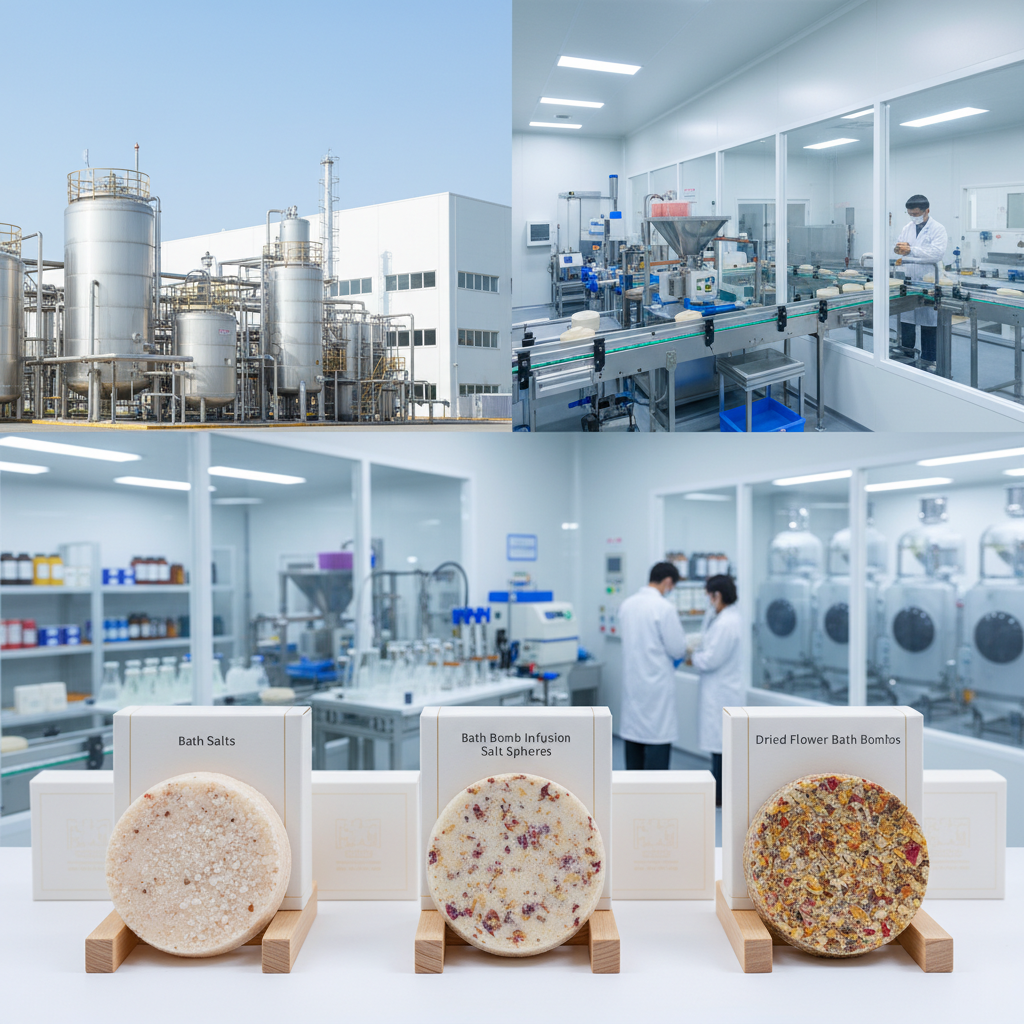
For procurement managers, the decision to source solid shampoo bars hinges on certification and production capacity. Ensuring a supplier holds GMPC, ISO22716, and FDA certifications is non-negotiable for entering the US and EU markets.
Quality assurance must extend to the packaging. Eco-recyclable materials and elegant, ready-to-gift boxed presentations eliminate the need for extra wrapping, which reduces the total cost of ownership for the retailer and appeals to the environmentally conscious consumer.
Furthermore, the ability to customize scents and formulations—balancing luxury texture with affordable pricing—allows brands to stand out against mainstream Amazon sets while maintaining healthy margins.
Future Innovations in Sustainable Follicle Support
The trajectory of the hair care industry is moving toward "hyper-personalization." We are likely to see rice shampoo bars formulated with specific rice varietals tailored to different hair porosities, further optimizing the anti-hair loss effects.
Integration of biotechnology, such as fermented rice water concentrates, could further increase the bioavailability of nutrients. This evolution may lead to products that not only cleanse but actively treat the scalp as a medical-grade cosmetic hybrid.
Additionally, as the "waterless beauty" movement grows, we expect a broader adoption of solid formats across all hair care categories, including conditioners and scalp scrubs, creating a comprehensive, plastic-free hair regimen.
Comparison of Rice Bars Versus Traditional Liquid Solutions
When choosing between a rice shampoo bar for hair loss and a traditional liquid shampoo, the decision usually depends on the specific priorities of the end-user: whether they value convenience, environmental impact, or ingredient purity.
The following table breaks down the operational and performance differences between these two primary delivery systems to help B2B decision-makers optimize their product portfolios.
| Feature | Rice Shampoo Bar | Liquid Shampoo | B2B Impact |
|---|---|---|---|
| Ingredient Density | High (Concentrated) | Low (Diluted) | Lower shipping costs per dose |
| Preservative Need | Minimal | Extensive | Cleaner label, fewer allergens |
| Packaging Waste | Zero Plastic | High Plastic | Aligns with ESG goals |
| Shelf Life Stability | High (Solid state) | Moderate (Water-based) | Reduced spoilage risk |
| User Application | Direct Scalp Massage | Lather and Rinse | Premium "Spa" experience |
| Environmental Footprint | Low Carbon | High Carbon | Better brand reputation |
Ultimately, while liquid shampoos offer familiarity, the rice shampoo bar provides a superior technical profile for those targeting the high-end, eco-conscious, and hair-loss-prone market segments.
Frequently Asked Questions
Conclusion
The shift toward a rice shampoo bar for hair loss is more than a cosmetic change; it is a strategic move toward sustainable, high-efficacy hair care. By combining traditional rice-based nourishment with modern solid-state chemistry, brands can offer a product that addresses both the physical need for hair fortification and the ethical demand for plastic-free living.
For businesses seeking to enhance their personal care offerings with salon-level home spa experiences, reviewing the professional manufacturing capabilities and product range available through www.enyubathcare.com can provide the necessary insights for a successful market entry.